

Significance of Ceuta in Morocco's Religious Identity
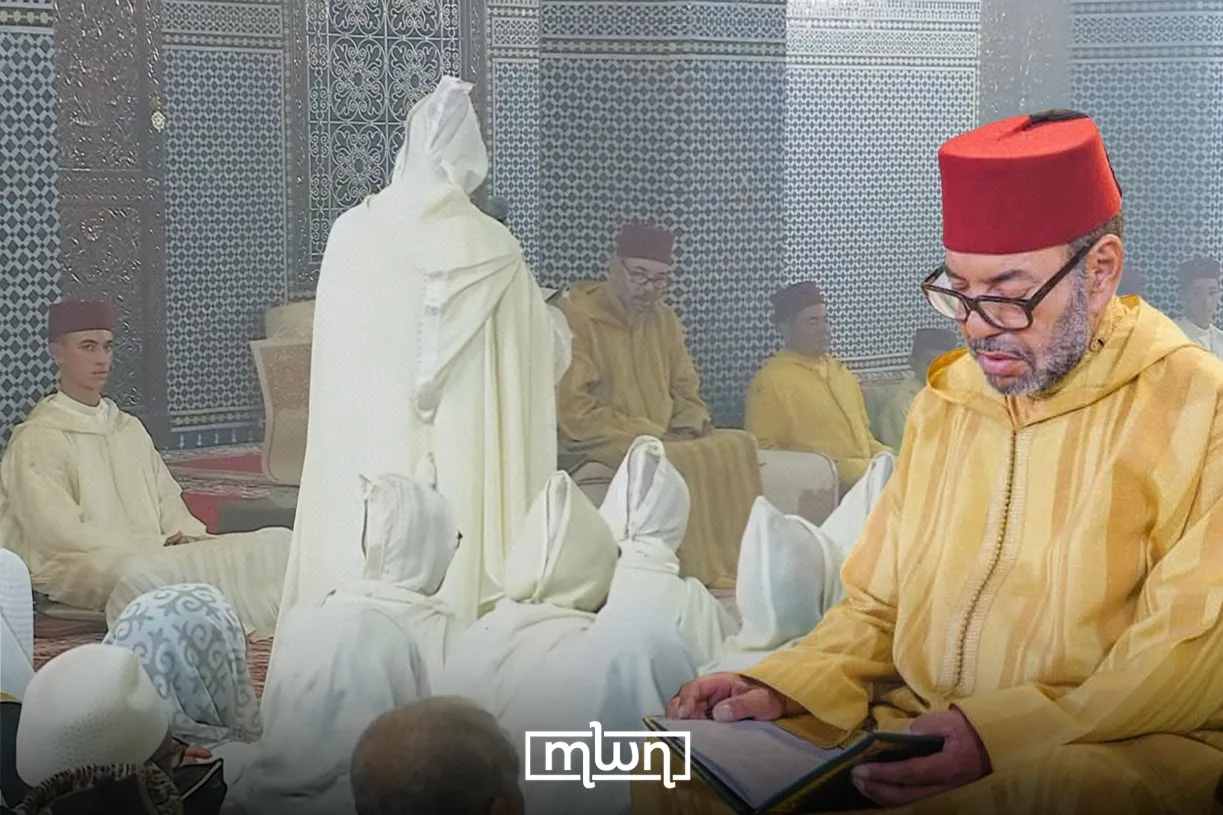
In a recent ceremony held at the Royal Palace in Rabat, Morocco's Minister of Endowments and Islamic Affairs, Ahmed Toufiq, emphasized the profound historical and religious significance of Ceuta during a speech before King Mohammed VI. The event took place on August 24, coinciding with Mawlid, the celebration of the birth of the Prophet Mohammed, and was attended by members of the royal family, including Crown Prince Moulay El Hassan and Prince Moulay Rachid. Minister Toufiq articulated a dual connection that Morocco shares with the Prophet, one that intertwines both political and emotional dimensions to the nation's identity.
Elaborating on the political aspect, Toufiq underscored the importance of the supreme religious leadership and the concept of bay‘a, or pledge of allegiance, which is vital for safeguarding Morocco's territorial integrity and enduring principles. He articulated how this allegiance reflects a collective commitment to uphold the nation's core values and historical legacy.
Emotional and Scholarly Traditions Rooted in Ceuta
Shifting focus to the emotional dimension, Minister Toufiq highlighted Morocco's rich scholarly tradition dedicated to celebrating the Prophet's virtues, with particular emphasis on the contributions of scholars originating from Ceuta. He noted that the passionate commemoration of the Prophet's virtues is prominently showcased in the works of Ceuta-born scholars, such as Qadi Iyad's 'Al-Shifa' and Al-Azafi's 'Al-Durr al-Manzum,' culminating in the renowned 'Dala’il al-Khayrat' by Imam Al-Jazuli. These literary contributions are not only significant in their religious context but have also become symbols of Moroccan resilience, especially during periods of struggle for liberation along the Atlantic coast in the modern era.
Although Minister Toufiq's remarks on Ceuta were framed within the context of discussing Morocco's cultural and religious heritage, they resonate deeply amidst ongoing sensitivities regarding the status of Ceuta and Melilla, particularly in light of recent events involving mass crossings from Morocco. His reference to the scholarly tradition serves as a reminder of the enduring ties that bind Morocco to its historical cities and their significance in the national narrative.
During the Mawlid ceremony, Toufiq also presented King Mohammed VI with a newly published edition of 'Dhakhirat al-Muhtaj fi al-Salat ala Sahib al-Liwa wa al-Taj,' a Moroccan work dedicated to prayers and blessings upon the Prophet. This edition, painstakingly prepared using manuscripts from various royal, public, and private libraries, exemplifies ongoing efforts to revitalize Morocco's scholarly heritage focused on the Prophet, reinforcing the deep-rooted connection between Moroccan identity and Islamic scholarship.
As reported by moroccoworldnews.com.
