Embracing Tradition in the Heart of London
In a cozy garden room near Marble Arch in north London, the atmosphere radiates warmth and festivity, reminiscent of a traditional Moroccan celebration. Guests arrive adorned in elegant kaftan dresses, while tables are adorned with an array of delectable honey-soaked sesame sweets, alongside stacks of pancakes known as mufletta and msemen. The air is filled with lively conversations, blending Moroccan Arabic, English, and French, creating a vibrant tapestry of culture and community. However, this gathering is not merely a social event; it marks a significant occasion known as Mimouna, a unique Moroccan Jewish celebration that joyfully heralds the conclusion of Passover.
During the week of Passover, observant Jews abstain from consuming leavened foods, a practice that commemorates the exodus from Egypt. The celebration of Mimouna commences immediately following the conclusion of the holiday, symbolizing a warm welcome back to leavened bread—the bread that has been allowed to rise—embracing a spirit of generosity and communal togetherness. Traditionally, doors are left wide open, inviting friends, neighbors, and even strangers to join in and share food, a practice rooted in centuries of harmonious coexistence between Jewish and Muslim communities in Morocco.
Reviving Cultural Heritage
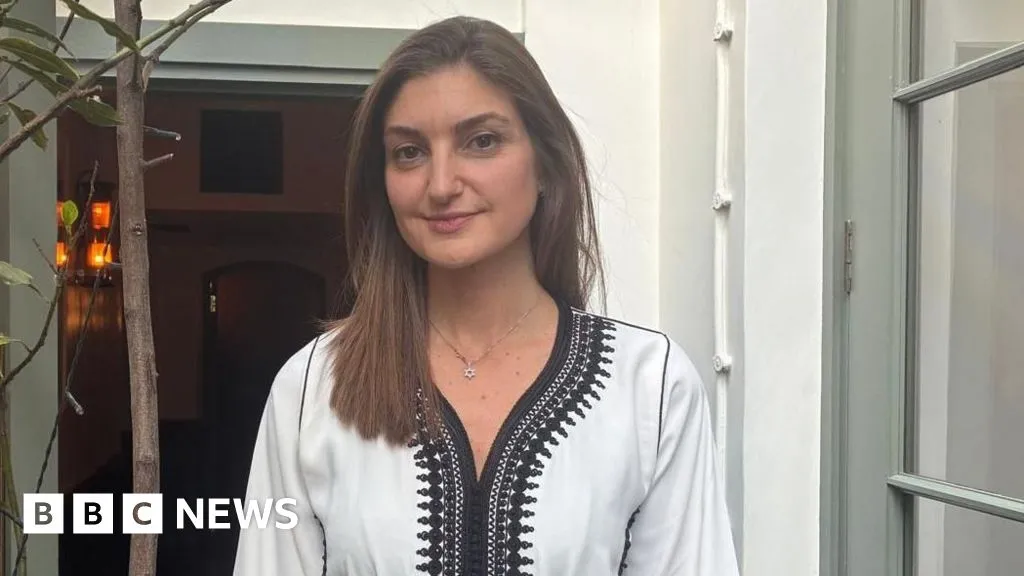
Stephanie Laurent, the organizer of this celebration in London, seeks to honor her late mother while simultaneously shining a light on the city’s small yet vibrant Moroccan Jewish community. "Growing up, Mimouna was always one of the most joyful moments of the year. I wanted to recreate that feeling here not just for Moroccan Jews, but to share it with other Moroccans and those outside the community," she expresses passionately. Reflecting on the community's evolution, she notes, "Before Brexit, there was a much larger community here since many came from France. Although we are fewer now, I feel that Mimouna is gradually gaining recognition among other Jewish communities in the city."
Another attendee, Liliane Harris, reminisces about her arrival in London fifty years ago when only four Moroccan Jewish families resided there. "Today, that number has surged into the hundreds," she remarks with pride. She emphasizes the significance of Mimouna, stating, "This celebration holds a very special place in our hearts, allowing us to infuse a piece of Moroccan tradition into the fabric of the city. My grandchildren may have been born and raised here, but Morocco remains an integral part of their identity."
Moroccan Jews boast a rich and storied history that spans over two millennia. Although many emigrated from Morocco in the mid-20th century to countries like Israel and France, smaller communities have blossomed in cities such as London, carrying their cherished customs with them. Michel Dadoun, the chair of the Moroccan Jewish synagogue in Hendon, north-west London, known as Porat Yosef, articulates the essence of Mimouna as one of sharing and hospitality. "Mimouna is about opening your home and your heart. During Passover, we refrain from leavened foods, and back in Morocco, as soon as the holiday concludes, our Muslim neighbors would bring us flour. This beautiful custom has endured since the 18th century," he shares.
The celebration of Mimouna transcends mere festivity; it is steeped in symbolism and tradition. Dr. Vanessa Paloma Elbaz, a lecturer in oral Moroccan history at Cambridge University, elucidates the significance of the items displayed on the table during the celebration. "The plate itself tells a story. The five eggs symbolize fertility and the cycle of life, while five coins represent prosperity. Flour and oil signify abundance following a week of restriction, and we also include five beans," she explains. As the festivities unfold, it becomes clear that the celebration is not just about food and music; it is a profound expression of cultural heritage and community spirit.
This year, Mimouna fell on April 9, and according to Stephanie, "in true Moroccan fashion, the celebrations continue for several days, with families and friends visiting one another's homes." As the event progresses, guests indulge in the richness of Moroccan culture, emphasizing that "you can’t come to a Mimouna party and be on a diet; Moroccan culture is all about hospitality, good food, and vibrant music." In a world often marked by division, the spirit of Mimouna serves as a reminder of the importance of togetherness and the joy found in sharing traditions.
As reported by bbc.com.