
Honoring Mahmoud Darwish in Agadir and Marrakech
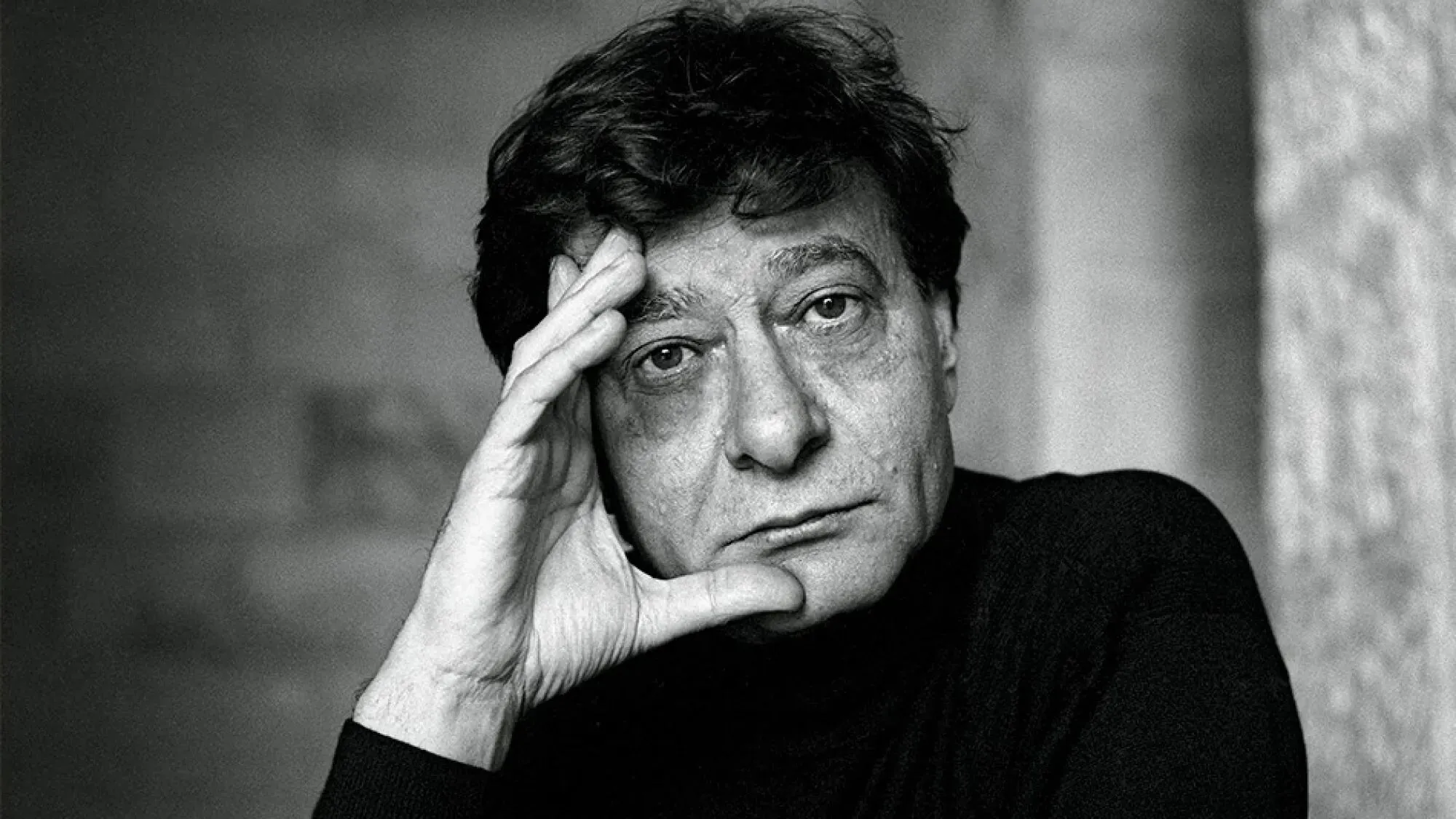
On September 25 and 26, 2026, the French Institute of Morocco will pay tribute to the renowned Palestinian poet Mahmoud Darwish, widely recognized as one of the most significant voices in contemporary Arabic poetry. This celebration is part of Poetry Day, an initiative launched by the Pompidou Center in 2020, aimed at bringing poetry closer to the public through innovative formats. This year's event, organized in collaboration with the Arab World Institute, will feature readings, discussions, and performances, allowing attendees to rediscover Darwish's work and its major themes, such as exile, memory, identity, and freedom.
The Enduring Impact of Darwish's Poetry
Born in Palestine in 1941, Mahmoud Darwish's life experiences and the tumultuous history of his people have profoundly influenced his writing. From a young age, he faced the harsh realities of exile and dislocation, experiences that became central to his work, which intertwines individual and collective memory. Darwish passed away in 2008, leaving behind a rich body of poetic work that has been translated into various languages, solidifying his status as a pivotal figure in contemporary Arabic literature.
For Darwish, poetry served as a means to preserve what is at risk of fading away. His verses encapsulate memories, landscapes, cities, and the subtle nuances of everyday life, transforming them into vessels that keep memory alive and pass it on to future generations. However, his poetry transcends the Palestinian experience; themes of exile, loss, displacement, and the quest for identity resonate across many societies, explaining the universal appeal of his texts. As a result, his work has crossed geographical and political boundaries, continuing to connect with readers from diverse generations and cultures.
The tribute will not be confined to Morocco. Paris, along with nearly thirty associated venues in France and other countries, will join the celebration over two days with activities tailored to reflect the cultural identity of each location. Through these initiatives, the organizers aim to demonstrate that Darwish's poetry remains as relevant today as it was during his lifetime. His work continues to evoke critical questions about memory, belonging, displacement, and freedom, illustrating the power of poetry to preserve histories and forge connections across generations and borders.
As reported by es.le360.ma.