
The 14th Mata Festival: A Celebration of Tradition and Progress
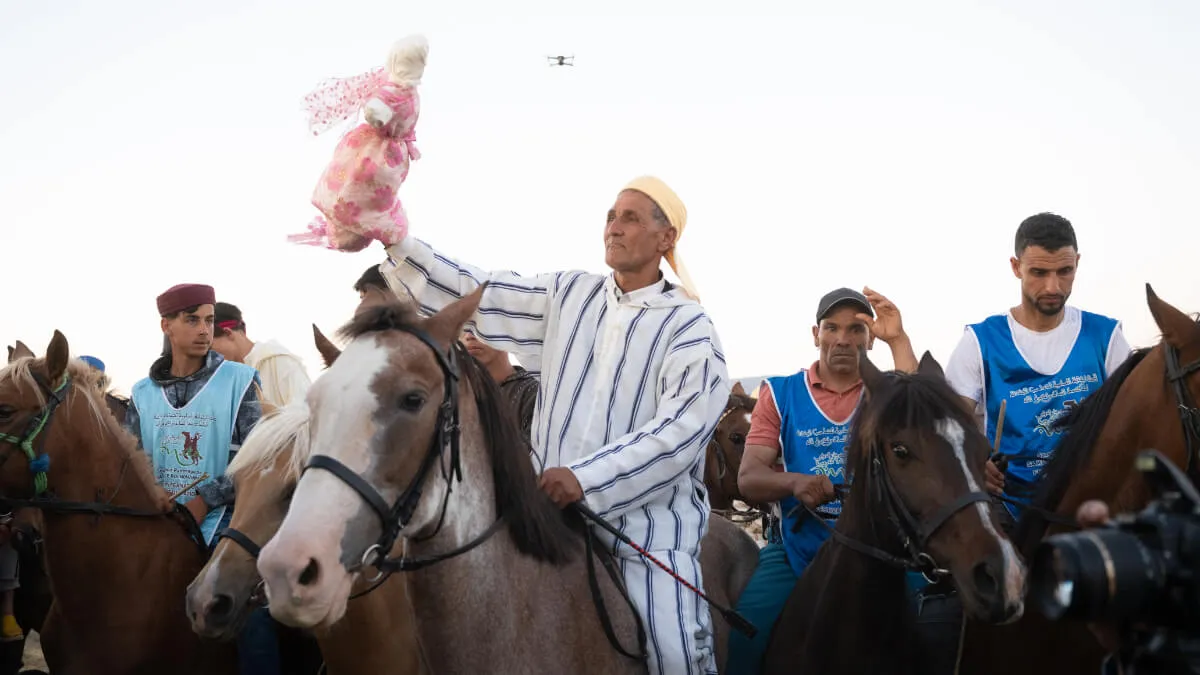
The 14th edition of the Mata International Equestrian Festival is set to take place from June 12 to June 14 in the picturesque village of Zniyed, located within the commune of Arbaa Ayacha in the district of Moulay Abdessalam Ibn Mashich, Larache province, part of the Tangier-Tetouan-Al Hoceima region. This year's festival not only honors a rich equestrian tradition that has thrived in northern Morocco but also commemorates Unity Day, reflecting on the substantial economic, social, and cultural advancements that have been made in the southern provinces of Morocco. Under the esteemed patronage of King Mohammed VI, the festival this year is themed "Mata Celebrates Eid Al Wahda and Fifty Years of Development in the Moroccan Sahara." The event promises a diverse program that emphasizes the region's profound cultural and spiritual heritage, serving as a platform to celebrate the unity and progress of the Moroccan Sahara.
Highlighting Heritage and Future Prospects
According to Nabil Baraka, the president of the Mata Festival, the primary objective of this gathering is to preserve and transmit the intangible heritage associated with Mata, continuing the legacy of significant figures such as the late Haj Mohammed Baraka and Naqib Sidi Abdelhadi Baraka, who were pivotal in the region's spiritual and cultural development. The festival also coincides with Aid Al Wahda, celebrated annually on October 31, which marks the important milestones achieved through the United Nations Security Council Resolution 2797/2025. This resolution is recognized as a historic turning point for Morocco's territorial unity. The festival will attract diplomats, international experts, and influential figures from various sectors to discuss the evolving dynamics surrounding the Sahara issue, particularly the acknowledgment of Moroccan sovereignty over Western Sahara, which has solidified as the definitive framework for resolving the longstanding dispute.
This year's Mata Festival aims to underscore the significant achievements in the Sahara, focusing on economic growth, social advancements, and cultural developments in the southern provinces. Notably, the Atlantic Coast Initiative stands out as a landmark project that transcends mere economic strategy, embodying a spirit of solidarity with neighboring Sahel countries devoid of direct access to the Atlantic Ocean. The event will also serve as a stage to express international backing for the Sahara autonomy plan, which has led to the establishment of over 30 consulates-general in Laayoune and Dakhla, further enhancing the southern provinces' role as a strategic hub in Morocco's development model, which emphasizes job creation and youth empowerment.
Beyond its equestrian competitions, the Mata Festival is a vibrant celebration that intertwines spirituality, Sufism, and intercultural dialogue, transforming it into a dynamic cultural event. On June 14, the festival will host a conference focused on Mashishiya Shadhiliya Sufism and the Abrahamic dialogue, centered around the theme "Peace, Leadership, and a Shared Future," which reflects the universal principles of Sufism: love, peace, and tolerance. The festival's spiritual significance as a Sufi center resonates deeply within the Muslim world, embodying ideals of tolerance and unity, and will include discussions on the global spiritual relevance of figures like Moulay Abdessalam Ibn Mashish.
The Mata Festival is not merely an equestrian competition; it is a lively showcase of authentic Moroccan music and various forms of artistic expression, aimed at promoting Morocco's national and Maghreb artistic heritage. The festival also features an exhibition of local products and crafts, bringing together cooperatives from across Morocco, from Tangier to Dakhla, where over 80 participants will display a diverse array of products, including jewelry, cosmetics, and organic foods, with a notable emphasis on Sahrawi products. Overall, the Mata Festival serves as a bridge connecting cultures, fostering communication and understanding across the Mediterranean and Atlantic regions.
As reported by atalayar.com.