Morocco's Transformation Under King Mohammed VI
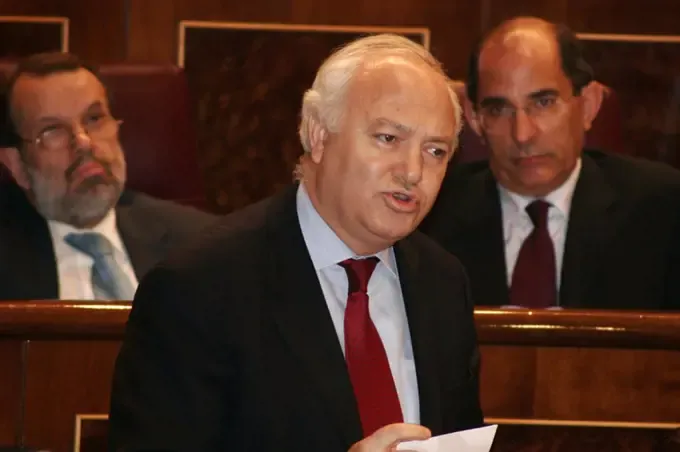
The United Nations High Representative for the Alliance of Civilizations, Miguel Ángel Moratinos, has lauded Morocco as a benchmark for economic, social, and institutional development. In a recent interview with MAP, Moratinos emphasized the significant transformations that have taken place in the country under the leadership of King Mohammed VI. He highlighted Morocco's impressive macroeconomic performance, modern infrastructure, and its capability to host major international events as clear indicators of the substantial progress made over recent decades.
Moratinos pointed out the vibrant dynamism of Moroccan society, which has led to the creation of new economic opportunities and increased contributions from Moroccans living abroad towards the nation's development. He articulated that these factors collectively symbolize a burgeoning confidence in Morocco's future, stating that the country's most notable accomplishment has been instilling a sense of hope and national pride among its citizens, thereby motivating them to actively participate in the nation’s growth.
Strategic Initiatives and Geopolitical Significance
The former Spanish foreign minister also commended the various initiatives spearheaded by King Mohammed VI aimed at benefiting Africa, along with the effective diplomatic efforts undertaken by Morocco to realize these goals. He asserted that these initiatives have gained heightened relevance in the context of an evolving international order. Among these, Moratinos specifically highlighted the Royal Atlantic Initiative, characterizing it as a strategic maneuver in response to the current geopolitical landscape, while also serving as a crucial mechanism for enhancing connections across the Atlantic.
Morocco has effectively positioned itself as an Atlantic hub, bridging Africa, Europe, and the Americas through substantial investments in transport infrastructure, which includes enhanced air, rail, and road connectivity, as well as ambitious energy projects. Moratinos cited the Atlantic African Gas Pipeline, which connects Nigeria to Morocco, as a pivotal project for regional energy integration. He emphasized that Morocco’s geographic location allows it to act as a strategic link not only between North and South but also between East and West, thus reinforcing its status on the global stage.
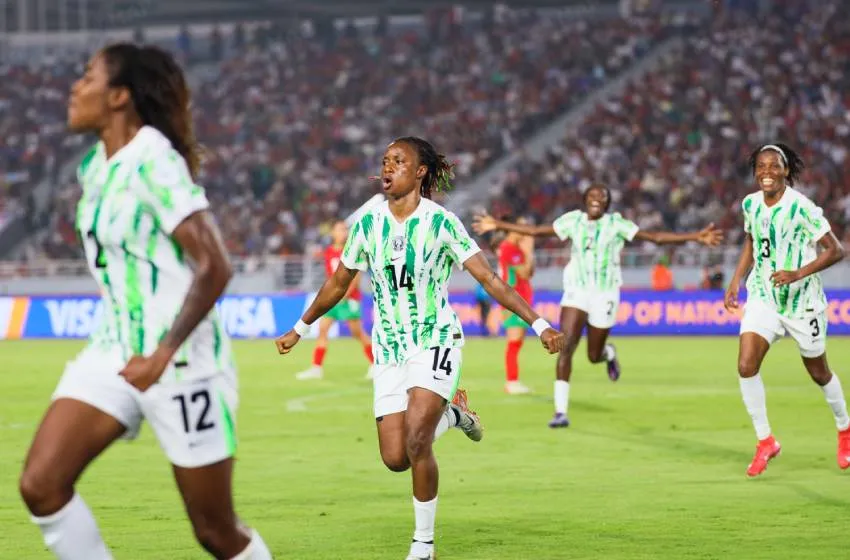
Furthermore, Moratinos remarked that Morocco’s capability to host significant international sporting events is a testament to its level of development. He reminisced about the success of the Africa Cup of Nations and expressed confidence that Morocco will once again showcase its organizational prowess when it co-hosts the 2030 FIFA World Cup alongside Spain and Portugal.
As reported by moroccoworldnews.com.