Intensifying Pressure on Spanish Authorities Amid Migrant Crisis in Ceuta
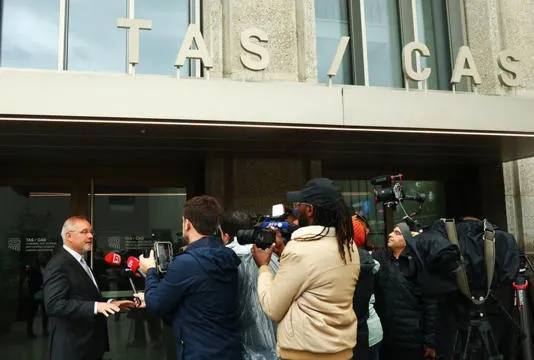
The authorities in Ceuta, a small Spanish exclave bordering Morocco, are increasingly under pressure as the migrant crisis continues to escalate. Over the weekend, unaccompanied minors were forced to leave an industrial site near the Moroccan border, leading to heartbreaking images circulating in local media of children sleeping on the pavement outside a police station while awaiting registration. Thousands of individuals remain stranded in Ceuta, pushing the already stretched resources of this small territory to their limits.
The leftist government of Spain is facing immense scrutiny not just from the European Union but also from a growingly frustrated populace. With early elections scheduled for November 29, the urgency to address this crisis is palpable. Humanitarian organizations and legal advocates have accused the authorities of violating the rights of migrants, particularly highlighting the fears of homosexual Moroccans who dread being forcibly returned to a country where they face hostility. This ongoing crisis not only poses a threat to the upcoming elections but may also persist into the next summer.
Desperate Circumstances and Calls for Action
Fatna, who is heavily pregnant and accompanied by her disabled son, managed to cross the chaotic border into Ceuta on July 30, hopeful for swift assistance. However, nearly three months later, her family urgently requires relocation to the Spanish mainland due to their newborn suffering from kidney issues needing specialized treatment. Unfortunately, traveling during the asylum process is only permitted with special authorization, which the Spanish socialist government, typically seen as a supporter of migration, is reluctant to grant.
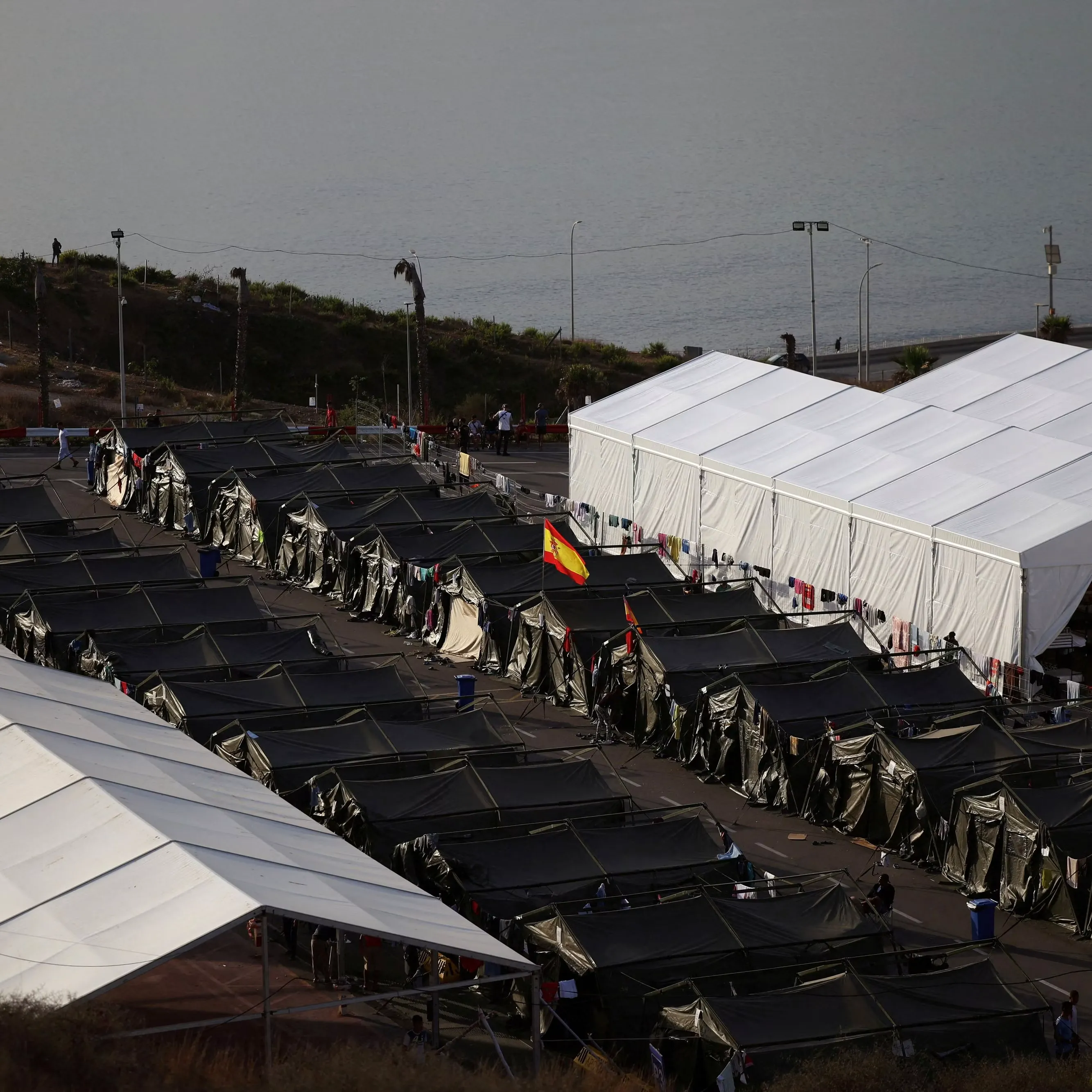
Many migrants continue to sleep on the streets or hide in the hills of the 20-square-kilometer port city on Morocco's northeastern border. Pressure on Prime Minister Pedro Sanchez is mounting, as the government is working on expedited asylum processes to return as many individuals as possible, particularly back to Morocco. However, NGOs caution that such measures could infringe on the rights of the affected individuals.
Conversations with migrants, lawyers, NGOs, and security forces reveal that many still in Ceuta have legitimate claims for asylum or humanitarian protection. This includes unaccompanied minors, homosexual Moroccans facing potential imprisonment upon deportation, and families like Fatna's, who are deemed particularly vulnerable under EU law. Last week, eight humanitarian organizations, including Oxfam and Amnesty International, filed a complaint with the Spanish ombudsman, citing severe legal violations in Ceuta, such as forced returns to conflict-affected countries and the denial of interpreters and legal assistance. Official responses from Madrid to these allegations have yet to materialize, although Sanchez has stated that Spain is handling the situation "responsibly, solidarily, and with respect for the human rights of migrants."
Wendell Soares, head of the San Antonio Catholic reception center that has taken in Fatna's family and many other vulnerable individuals, notes, "There are people who would be in great danger if returned to Morocco. When the term 'immigrant' is mentioned, a collective image is formed as if everyone is the same. Yet, each person has their unique story."
Right-wing parties in Spain have long been angered with Sanchez, particularly due to nearly a million irregular migrants obtaining legal status this year. They perceive the border crossing in July as a deliberate "invasion" orchestrated by Morocco, a claim that Morocco outright denies, and they demand that all migrants be sent back. The EU is planning expedited deportation procedures for future crises; however, current cases must be reviewed individually. According to government sources, most migrants originate from Morocco.
Nevertheless, over 1,000 individuals remaining in Ceuta are from countries south of the Sahara, whose citizens are granted asylum in Spain over 90% of the time. The new EU asylum package proposes processing applications directly at the border to accelerate returns, but it does not mandate that individuals remain in the arrival region—they could be transferred to other Spanish border areas. This would alleviate some pressure on Ceuta, which has a population of 84,000. Juan Miguel Morales, head of the NGO Sur Acoge, emphasizes that this is the only way to ensure the proper examination of vulnerable migrants' cases.
Since July, 262 minors have been transferred to the mainland, while the government is attempting to encourage as many adults as possible to return voluntarily. According to government reports, 12,000 people have returned to Morocco since mid-August. Interior Minister Fernando Grande-Marlaska insists that "there are absolutely no covert deportations," asserting that returns are voluntary. To date, approximately 1,200 asylum applications have been lodged, with 700 already processed. However, at least nine NGOs contend that migrants have been pressured to return.
Reports from the Asociación Elin indicate that Sudanese and Chadian nationals were summoned by the police at the end of September and deported without warning. Moroccan migrant Azhaar Chaouni recounted in messages to the German NGO Mission Lifeline that he and others were taken from their emergency accommodations on the beach, placed on buses, and allegedly transferred to reception centers. "They deported us without explanation," said Chaouni, who is now back in Morocco. While Morocco is considered a "safe country of origin" by the EU, this does not preclude Moroccans from applying for asylum, as migration expert Andrea de Petris from the Freiburg think tank CEP explains. "Each individual must receive an individual review of their personal circumstances," de Petris states, emphasizing that the process is "inevitably lengthy and costly."
The stories of missing individuals instill fear in Rayane, a 19-year-old homosexual Moroccan awaiting a decision on his asylum application at the San Antonio center. Estranged from his family, he cannot live openly in Morocco due to the criminalization of same-sex relations. He is determined to reach Europe, declaring, "I cannot imagine going back to Morocco. I would take my own life before I even cross the border."
Helpers and NGOs on the ground assert that the situation in Ceuta illustrates that the EU's stipulated 12-week deadline for processing asylum applications is unrealistic. Seven organizations anticipate that the process could stretch for months due to a lack of personnel and functioning computers. According to police union representative Raul Piera, only about 100 cases could be registered per day as of October 14.
The union estimates that between 7,000 to 8,000 people are still scattered throughout Ceuta, with many sleeping outdoors or housed in shelters operated by NGOs and civil society, which have stepped in to replace overwhelmed municipal social services. "When you look at the open work, this will take well into next summer," Piera mentions. The government has refrained from providing estimates on unregistered migrants.
On October 14, Territorial Minister Angel Victor Torres stated that it is impossible to know how many people are hiding. Doctors at the city’s only hospital are treating migrants for scabies, tuberculosis, and gastrointestinal infections caused by life outdoors, according to Enrique Robiralta, head of the doctors' union.
At least seven women have already given birth. Fatna and her husband Mohamed are determined to remain in Spain, fearing for their newborn's safety and believing their three-year-old disabled son would not survive in Morocco. "We will do everything for our son," Mohamed asserts.
As reported by heute.at.