
The Crisis in Ceuta: A Growing Challenge
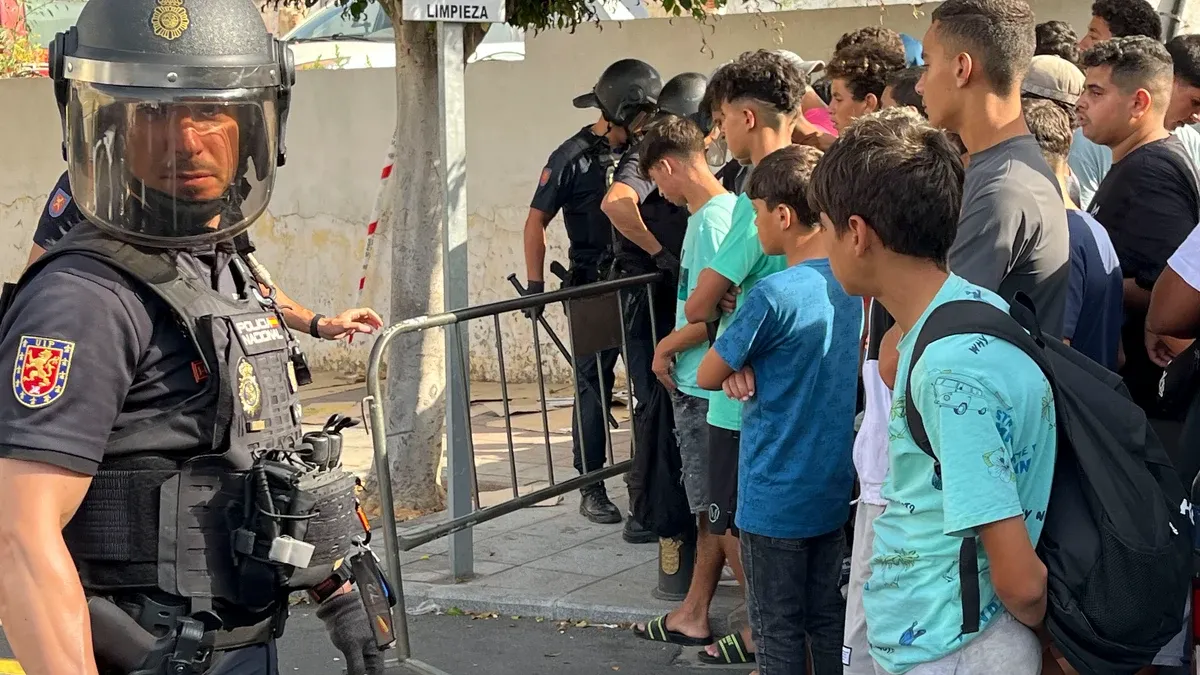
The city of Ceuta is currently grappling with a severe crisis following a significant influx of migrants, a situation exacerbated by a large number of unaccompanied minors. The political landscape is tense, with the Popular Party advocating for the immediate repatriation of these migrants to Morocco. However, the reality of this process is complicated and sluggish, primarily due to Morocco’s lack of cooperation and the bureaucratic hurdles that have emerged. While the Spanish government promotes the idea of family reunification for these individuals, it faces mounting criticism regarding the slow pace of processing these cases. The complexities are further highlighted by statements from Teresa Gisbert, the juvenile prosecutor, who indicated that many parents are inclined to keep their children in Ceuta, which adds another layer to the ongoing dilemma.
Challenges in Addressing the Migrant Situation
The crisis has reached a critical point, as described by the president of Ceuta, who labeled the circumstances as a "limit situation." Vulnerable individuals continue to reside in precarious conditions, scattered across beaches, hills, streets, and designated centers. The plight of unaccompanied minors is particularly alarming, with reports indicating that there are only eight prosecutors available to assist thousands of migrant minors. This scarcity of resources is insufficient to manage the current situation effectively, while the National Court is still addressing expulsion cases dating back to 2021. As the government navigates these complex challenges, it is clear that immediate and decisive action is required to address the humanitarian needs and legal complexities surrounding the migrant population in Ceuta.
As reported by lasexta.com.