
Striving for Normalcy in Ceuta
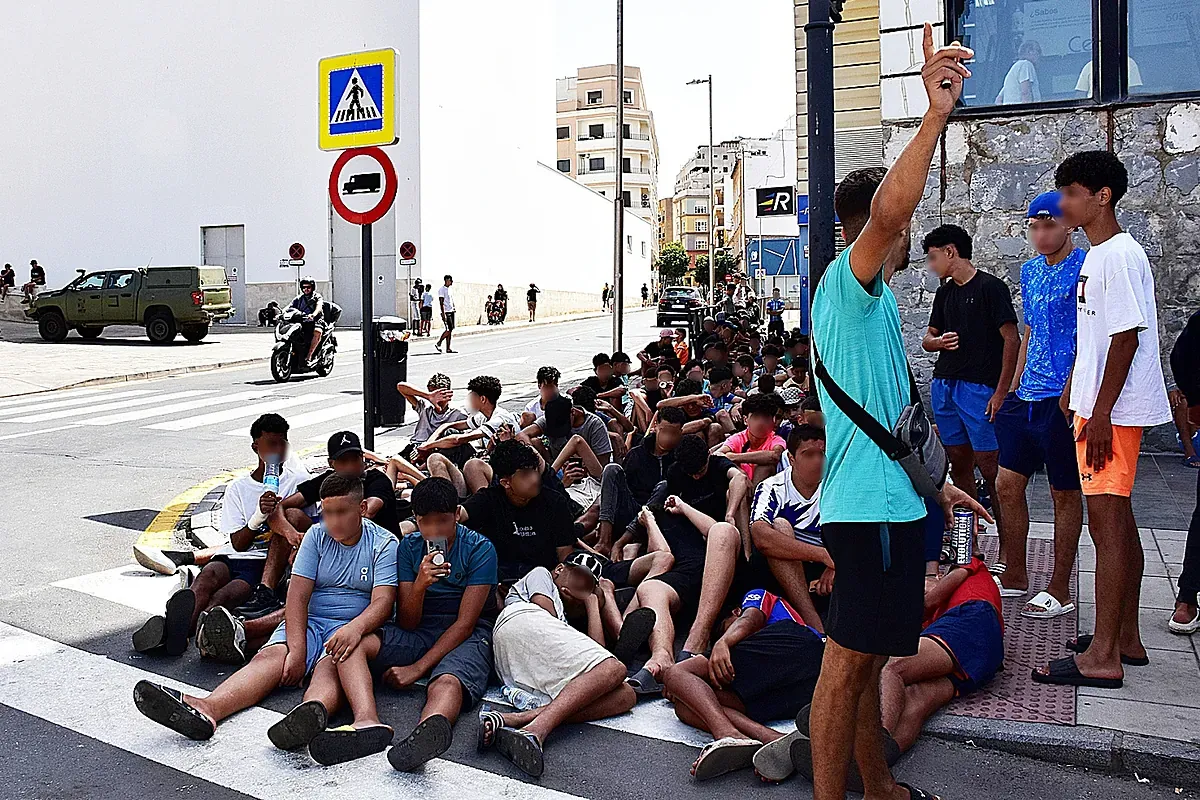
In recent statements, Spain's Minister of Territorial Policy, Ángel Víctor Torres, emphasized the need for Ceuta to regain its previous normalcy, a situation that has been elusive since the surge of irregular immigration at the end of July. This sentiment is echoed by various civil groups on the ground and the President of Ceuta, Juan Jesús Vivas, highlighting a stark reality: the presence of up to 11,000 immigrants among the 80,000 who arrived on July 30 continues to disrupt the streets of Ceuta. The government is now faced with the urgent task of adapting its approach to prevent a reoccurrence of this crisis, opting for a strategy of fortification and increased security measures.
Following the unprecedented influx of migrants, approximately 2,000 military personnel have been deployed to the region, resulting in a significant military presence of one soldier for every 42 residents in Ceuta. In contrast, the national average in Spain is one active military member per 427 people, illustrating the heightened state of militarization in the city. The Ceuta government has deemed this military presence necessary, with Vivas advocating for the continuation of the army's deployment in critical and strategic infrastructures until a sense of normalcy is restored.
Security Measures and Migrant Management
In a reflection of the new realities the city faces, the Defense Ministry has announced the suspension of all military leave for personnel stationed in Ceuta, effective Thursday until further notice. This decision aligns with similar directives issued by the Civil Guard, citing the importance of maintaining security in the two autonomous cities and the need for extraordinary measures concerning vacations and permissions for law enforcement personnel. Since the crisis erupted on July 30, over a thousand agents from the National Police and Civil Guard have been deployed to Ceuta, including 225 riot police and community safety officers, compared with the usual force of around 700.
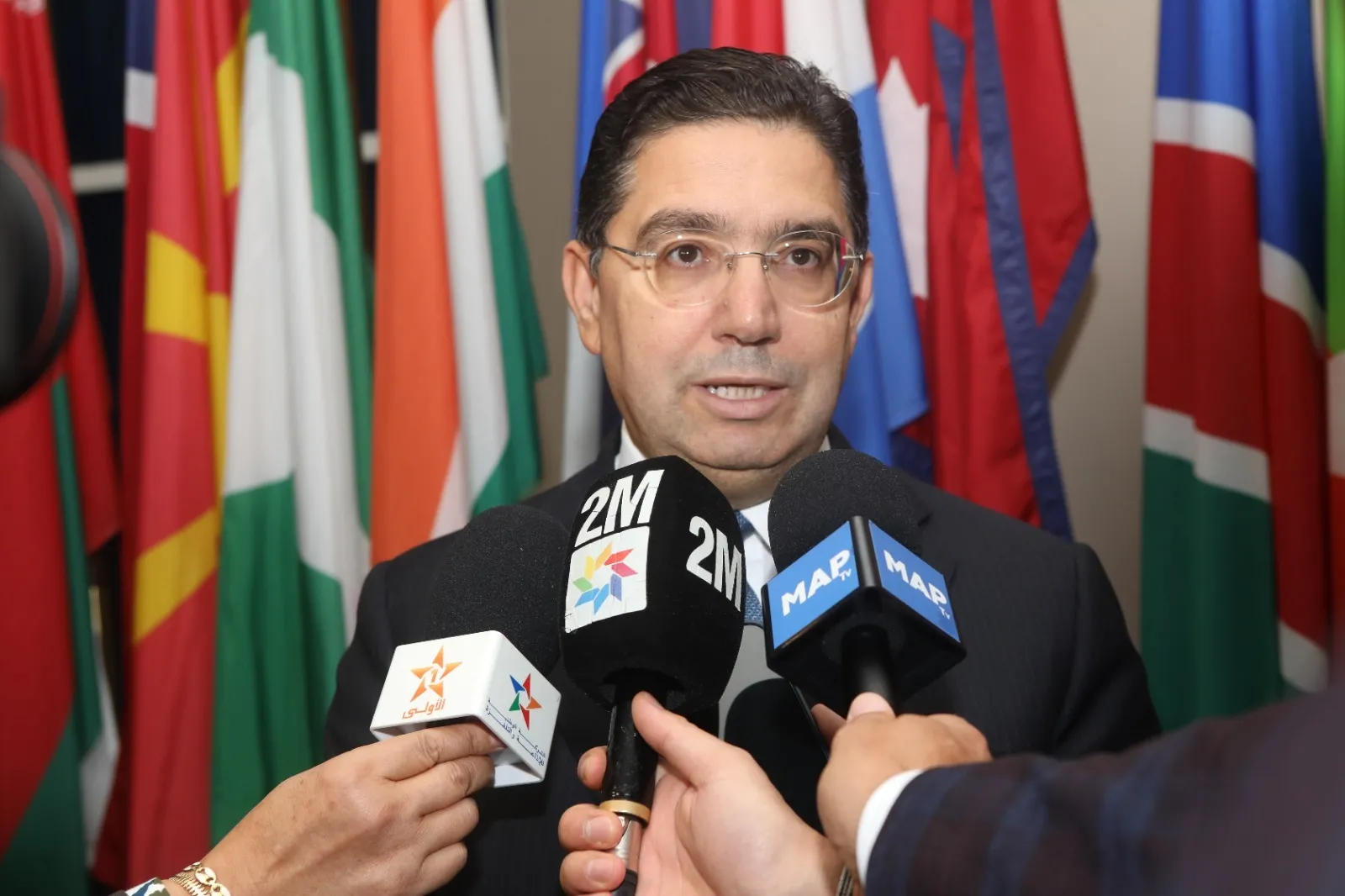
Beyond the immediate security concerns, the Ceuta government has called for a substantial increase in the presence of state security forces to convey a strong message about the safety of the border. Vivas articulated his concerns, noting that the events of July 30 exposed vulnerabilities, as the border appeared to be under the influence of a third-party nation. Today, Minister of Foreign Affairs, José Manuel Albares, is scheduled to visit Ceuta to discuss these pressing issues with Vivas, following similar visits from other government officials, including the Minister of Defense, Margarita Robles.
The tightening of security measures in Ceuta is not limited to the deployment of law enforcement officers; it also encompasses proposals aimed at addressing the ongoing situation with migrants. Vivas has called for the establishment of a **Center for the Internment of Foreigners (CIE)** to securely manage adult migrants, restricting their movement to mitigate perceived risks to community safety. Additionally, both Vivas and Minister Torres have prioritized family reunification efforts for the 1,400 unaccompanied minor migrants currently in Ceuta, marking a shift towards a more humane approach amidst the crisis.
On Sunday, a significant demonstration took place, with over 5,000 residents voicing their demands for coexistence and an immediate, decisive, and proportionate response to the ongoing challenges. The rally underscored the community's resilience and determination to restore order and security in Ceuta, as it grapples with the effects of the recent migration surge.
As reported by elmundo.es.