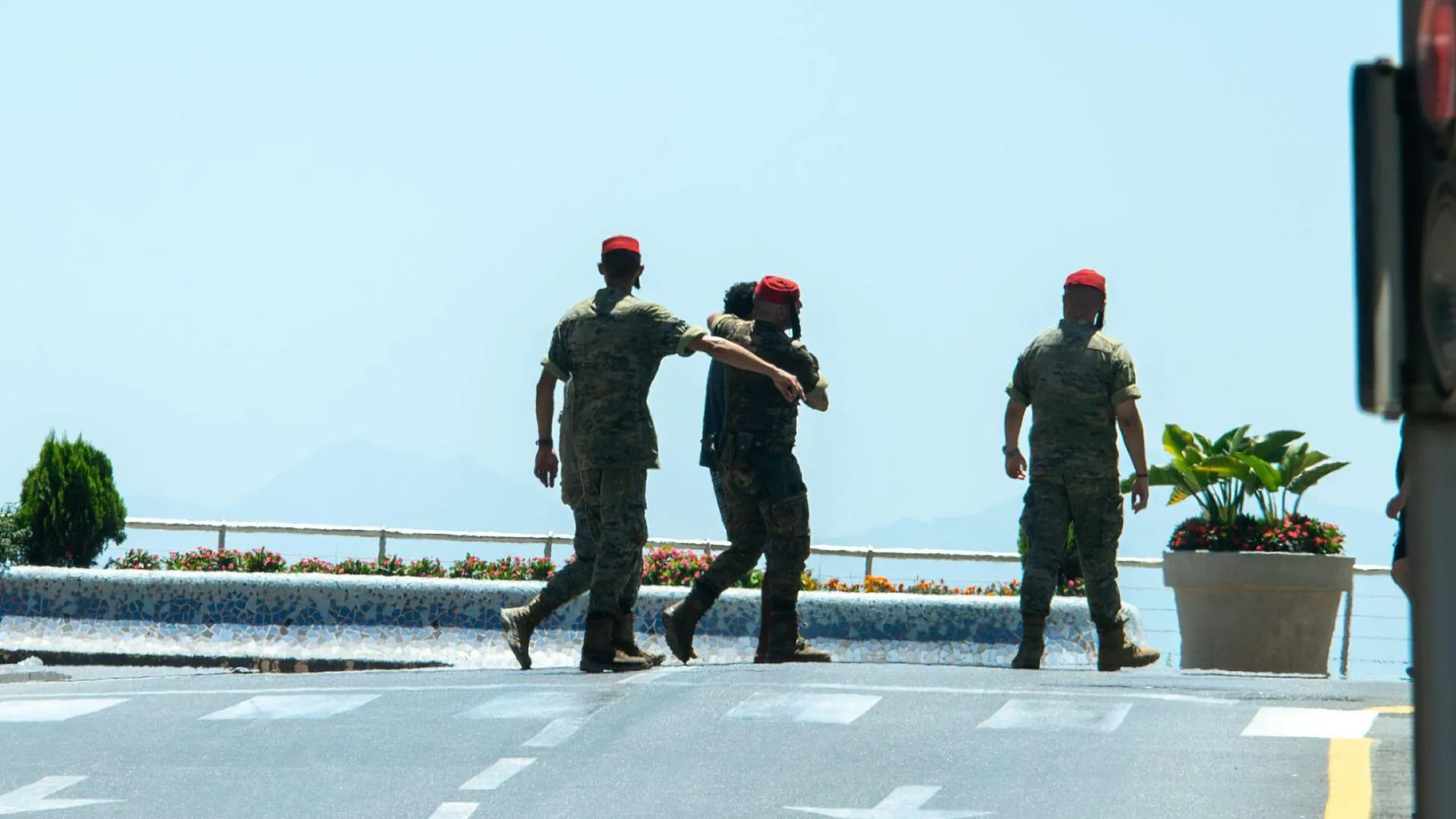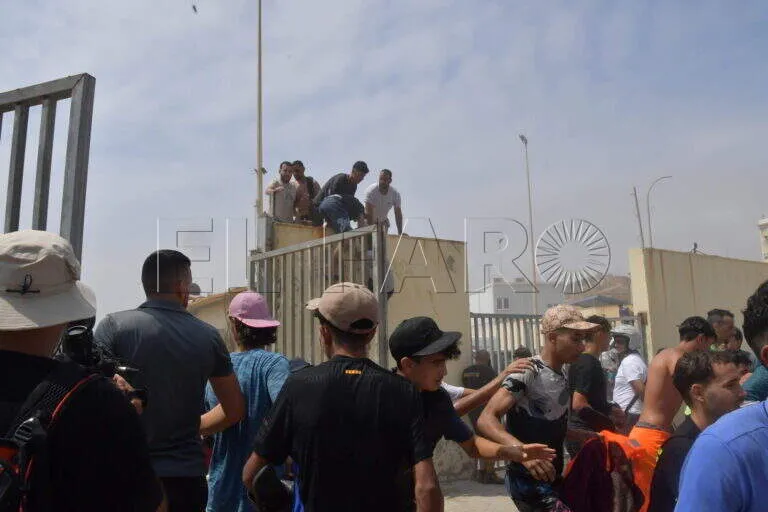

More than a month after a massive influx of migrants from Morocco to the Spanish enclave of Ceuta, local officials are reporting that the situation remains "unbearable." Ceuta has been described as "a pressure cooker that can explode at any moment," according to its president, Juan Jesús Vivas, who spoke at a press conference in the European Parliament in Brussels on Tuesday. In response to this crisis, the European Union has pledged approximately 115 million euros in emergency aid.
Vivas emphasized that the circumstances in Ceuta serve as a test for European resilience and the security of the continent's external borders. He noted that from the outset, the European Commission has firmly supported the Spanish authorities in addressing the crisis and has offered assistance. "Today we announce further specific European support to meet the urgent needs on the ground. The priority remains clear: to deport those who do not have a right to stay," stated Magnus Brunner, the EU Commissioner for Home Affairs and Migration, in an official release.
The decision to provide immediate aid follows Spain's requests for financial assistance and additional support from EU agencies made at the end of August. The funding is drawn from the Asylum and Migration Fund (82.7 million euros) and the Border Management and Visa Instrument (32 million euros). These resources will be allocated to enhance border security, increase personnel, and provide necessary equipment.
Additionally, facilities for checking migrants are to be established, and efforts will be made to support the repatriation of those residing illegally in Ceuta. The Spanish Supreme Court has initiated investigations to examine Morocco's joint responsibility in the situation.
During the peak of the crisis on July 30 and 31, over 72,000 individuals, primarily Moroccans, made their way to Ceuta either on foot or by swimming. While many returned shortly after or were sent back, the Spanish central government reported that approximately 5,000 migrants remained in the enclave as of early September. Official reports indicate that at least 91 individuals lost their lives during this mass influx. Vivas mentioned on Tuesday that he could not specify how many migrants are still in Ceuta, stating, "I am talking about 5,000, 10,000, 15,000 – but we still do not know the exact number."
As reported by krone.at.