
Calm Weekend in Ceuta Amid Ongoing Migration Challenges
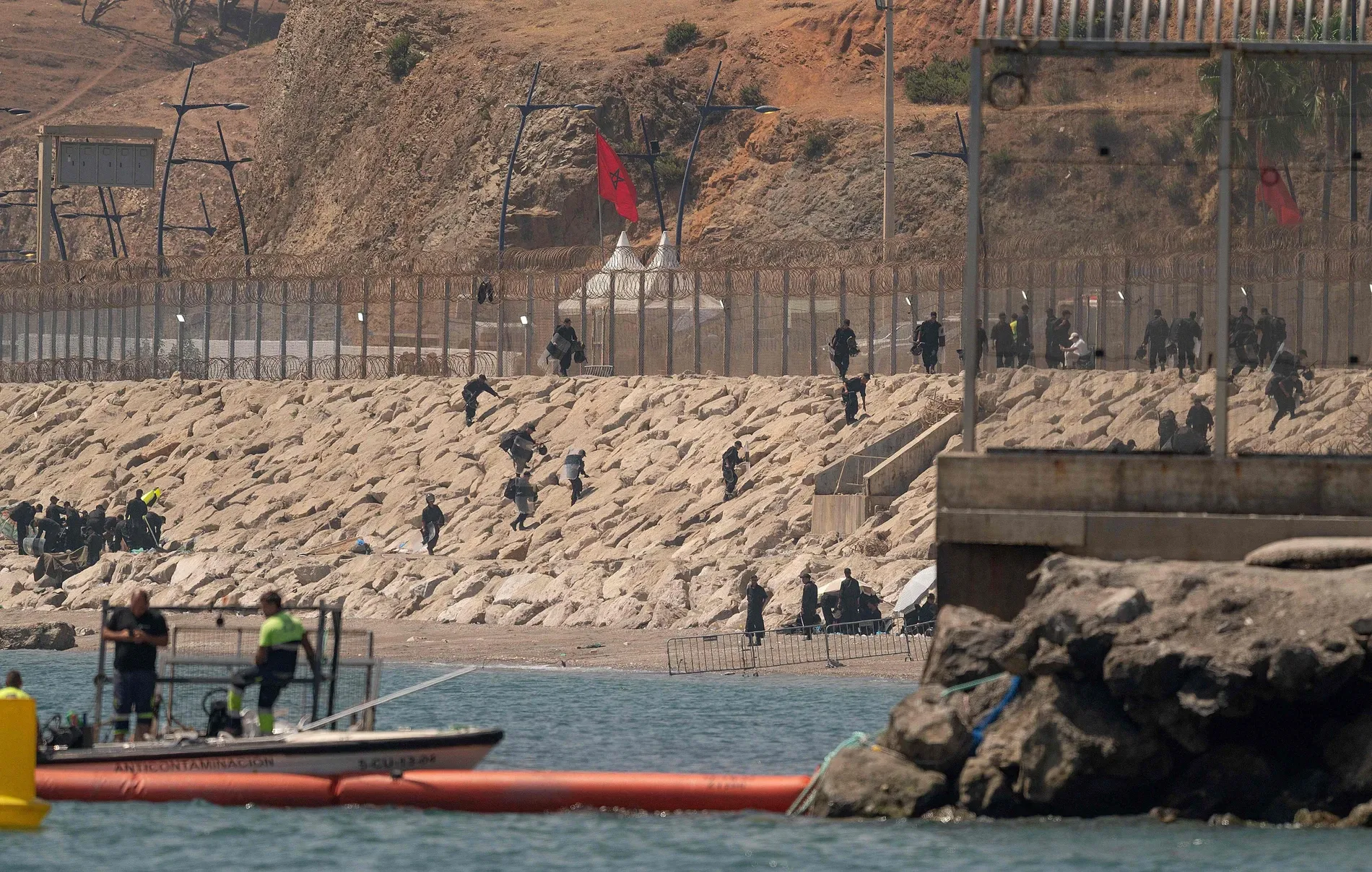
This past weekend, the border town of Ceuta experienced a welcome calm, avoiding any further mass influx of migrants. Spain and Morocco deployed a significant number of security forces to prevent individuals from risking their lives in attempts to reach the Spanish enclave. Tragically, dozens lost their lives in similar attempts at the end of July, highlighting the ongoing peril faced by those seeking refuge.
The residents of Ceuta can breathe a sigh of relief after this weekend, although the repercussions of the recent surge remain palpable. Many unaccompanied minors continue to inhabit the enclave, with their futures remaining uncertain. This situation poses not only a humanitarian crisis but also a political challenge for the Spanish government led by Pedro Sánchez, which has faced pressure from both the European Union and domestic critics in light of the events from late July.
The message from the weekend appears to be a reassurance from the authorities: "We have everything under control." This assertion is crucial, especially as European nations strive to demonstrate their capability in managing migration policies amidst a backdrop of growing misinformation. The events in Ceuta have fueled fears online that such incidents could recur and that European countries may be losing control over their borders.
These fears are not unfounded and are likely to play a significant role in the upcoming regional elections in September, particularly in light of the challenges faced at the German border in 2015. Ceuta exemplifies the ongoing dependency of European countries on external nations in their migration efforts. Migrants continue to be leveraged as a political tool, a reality understood by the governments in Rabat, Ankara, and Moscow.
Morocco's Strong Response to Migration Pressures
In an unprecedented show of force, Morocco has mobilized significant resources to prevent a second wave of migration towards Ceuta. This response serves as both a deterrent to potential migrants and a domestic signal of the country's commitment to controlling its borders.
As the situation continues to evolve, the implications for both Spain and the broader European Union are profound. The handling of migration issues will undoubtedly remain a hot-button topic as political dynamics shift and the realities of border management become increasingly complex. The challenges ahead will require collaborative strategies that balance humanitarian needs with political realities.
As reported by faz.net.