
Macron's Recent Visit to Ceuta and Its Implications
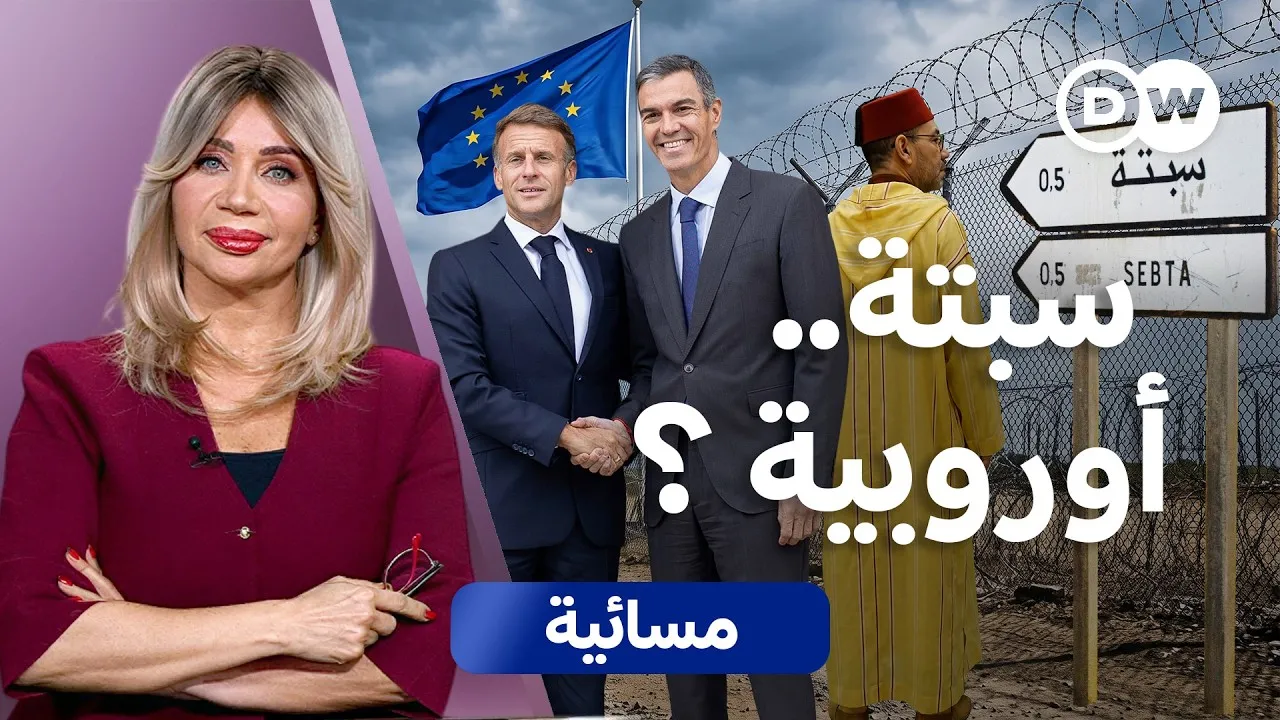
Recently, French President Emmanuel Macron's visit to Spain has ignited a heated debate surrounding the territorial and diplomatic tensions involving Ceuta, a city located on the northern coast of Africa and governed by Spain. During his visit, Macron described incidents in Ceuta as an "attack" not only on Spain but also on Europe, raising eyebrows and prompting discussions about the broader implications of his statements. This declaration is viewed through the lens of ongoing disputes between Spain and Morocco, particularly concerning issues of migration and territorial sovereignty. The timing of Macron's remarks, coupled with the current geopolitical climate, has led analysts to question whether France is formally aligning itself with Spain in opposition to Moroccan interests.
Expert Insights on the Diplomatic Fallout
In a recent discussion featuring prominent experts from the field of international relations, such as Dr. Abdel Fattah Naoum from Morocco and Dr. Pierre-Louis Raymond from France, the nuances of Macron's position were analyzed. Dr. Naoum highlighted the historical complexities of the Franco-Moroccan relationship, suggesting that Macron's comments could exacerbate tensions rather than foster diplomatic dialogue. On the other hand, Dr. Raymond pointed out that this could be a strategic maneuver by Macron to solidify Franco-Spanish ties amidst rising concerns about migration flows from North Africa to Europe. As both nations grapple with their respective national interests, the role of external powers like France becomes increasingly significant in shaping regional dynamics.
As this situation evolves, the implications for Morocco are profound, as it navigates its relationships with both Spain and France, aiming to protect its territorial claims while addressing domestic challenges. The discussions surrounding Ceuta are emblematic of broader regional tensions that can influence not just bilateral relations but also the stability of the entire Mediterranean region. With the potential for increased diplomatic friction, observers are keenly monitoring how these developments will unfold, particularly in light of historical grievances that continue to influence contemporary politics.
As reported by dw.com.