Ceuta's Call for Repatriation of Minors to Morocco
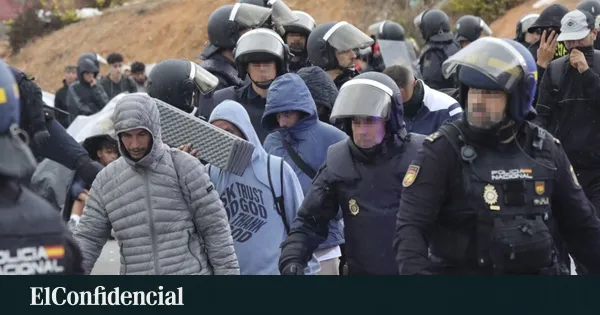
In Ceuta, a Spanish autonomous city bordering Morocco, the situation involving over 3,000 minors currently under government control has become highly politicized, turning the issue into a contentious political weapon between the national government and the local authorities. The city's president, Juan Vivas, has emphasized the importance of repatriating these minors back to Morocco, their country of origin, as a primary concern for the local government. Vivas has made it clear that the city strongly advocates for the return of minors who arrived during the mass influx on July 30 and 31, arguing that this approach is in the best interest of the children while also aiming to prevent future invasions.
Vivas points out that the rationale behind this position is to avoid further instances of what he describes as an invasion, asserting that the misuse of migratory pressures for political purposes poses significant risks, including the lives of those involved. Tragically, the recent mass entries resulted in 141 fatalities, three of whom were minors. Vivas firmly believes that repatriation is the only viable solution to prevent further humanitarian crises.
"Invading Ceuta and compromising our territorial integrity cannot be a pathway to residency in Spain, not even for minors," Vivas stated, highlighting the serious implications of illegal immigration. He has expressed surprise at the politicization surrounding the issue of minors, noting that his stance has been consistent and supported by both the national government and the European Commission, aligning with Morocco's requests for the repatriation of its nationals.
Challenges in the Repatriation Process and Government Responsibility
Despite the clear intentions expressed by the local government, Vivas has criticized the national government for its sluggish response to the ongoing crisis. He notes that only 160 repatriation cases have been initiated since the onset of the invasion, questioning the effectiveness of the national delegation in Ceuta in handling these matters. Vivas insists that the responsibility for these repatriations lies with the national government, which must initiate and resolve these cases effectively, rather than shifting the blame onto local authorities.
Furthermore, Vivas has called for a review of the regulatory framework governing the repatriation of minors, advocating for a more efficient process that would facilitate swift action, especially with the endorsement of the European Commission. He emphasizes that the solution must involve strengthening border security and establishing a cooperative agreement with Morocco to ensure the safe return of these minors.
In conclusion, the ongoing discussions surrounding the repatriation of minors in Ceuta are deeply intertwined with broader political dynamics, including relations with Morocco and national immigration policies. Vivas remains steadfast in his commitment to advocating for the interests of the children while holding the national government accountable for its role in the crisis. The citizens of Ceuta continue to grapple with the repercussions of the invasion, and the local government is determined to seek responsible solutions to avoid future occurrences.
As reported by elfarodeceuta.es.