
Ceuta Faces Migrant Influx Amidst Tensions with Morocco
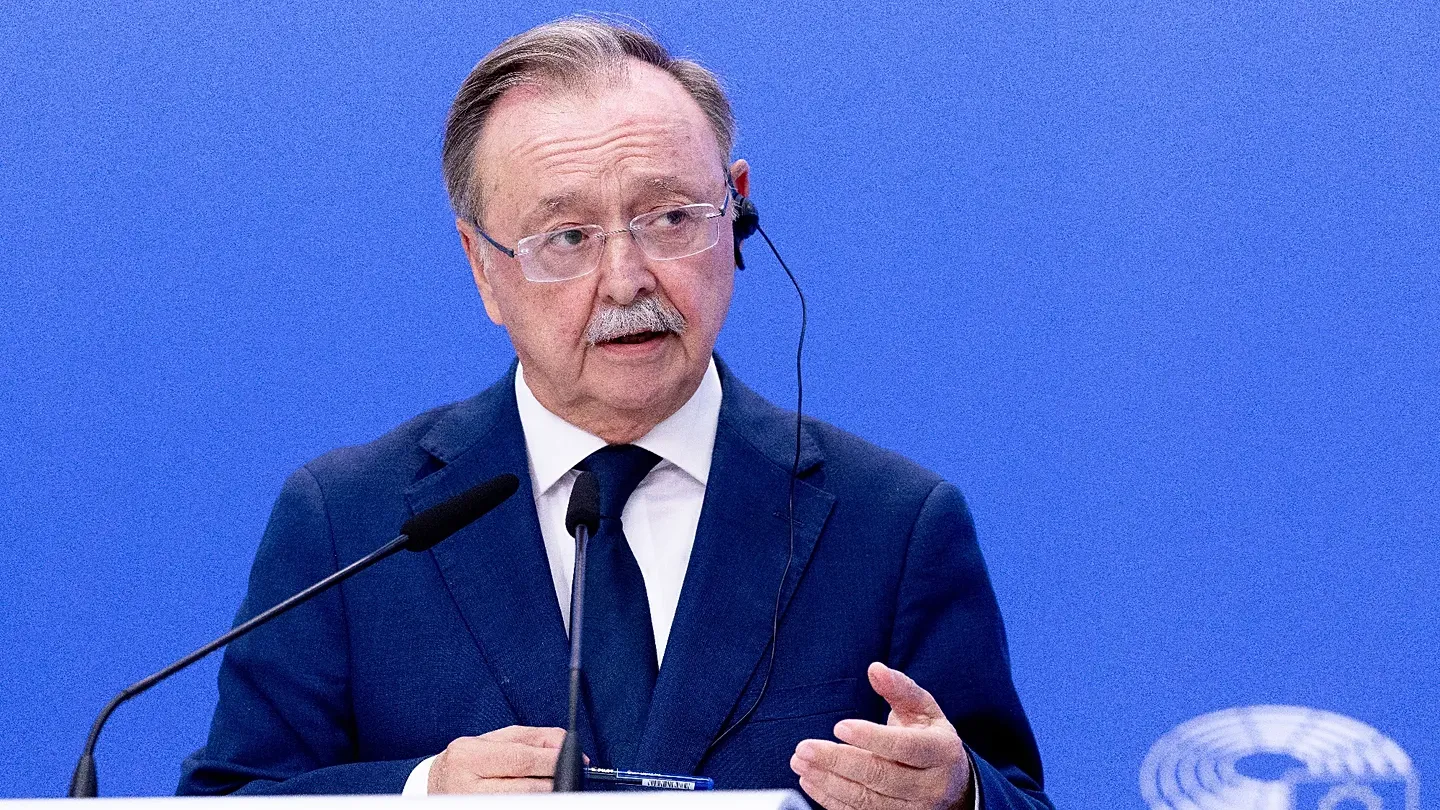
In a stark assessment of the ongoing migrant crisis, the Mayor of Ceuta, Juan Jesús Vivas, has accused Morocco of employing a "harassment policy" towards the Spanish enclave and is calling on the European Union to adopt a more assertive stance and to finance border security. This comes after an influx of approximately 80,000 migrants entered Ceuta on July 30, marking a significant shift away from Madrid's previously cooperative approach with Rabat. Vivas, who met with three European Commissioners and several Members of the European Parliament in Brussels, has sought European assistance for the repatriation of irregular migrants and to restore normalcy in the enclave, which is currently home to thousands of third-country nationals, including unaccompanied minors, who remain stranded. He stated emphatically, "Ceuta is on the brink of collapse."
The leader of Ceuta criticized the Spanish central government, accusing Pedro Sánchez's administration of inadequate handling of the situation prior to, during, and after the July incident, which tragically resulted in the deaths of over 150 individuals at sea. During a press conference at the European Parliament, he insisted that "the European Union must inform Morocco that any fruitful and mutually beneficial cooperation begins with respect for our borders." His statements were met with applause from Members of the European People's Party. However, Spain has yet to officially blame Morocco for the events in Ceuta, despite describing the incident as a violation of its territorial integrity. Instead, Madrid continues to point to false claims circulated on social media and human trafficking networks as the primary drivers behind the surge in migrants, maintaining its characterization of Rabat as a "reliable partner" in combating irregular migration, a stance that aligns with the European Commission's position.
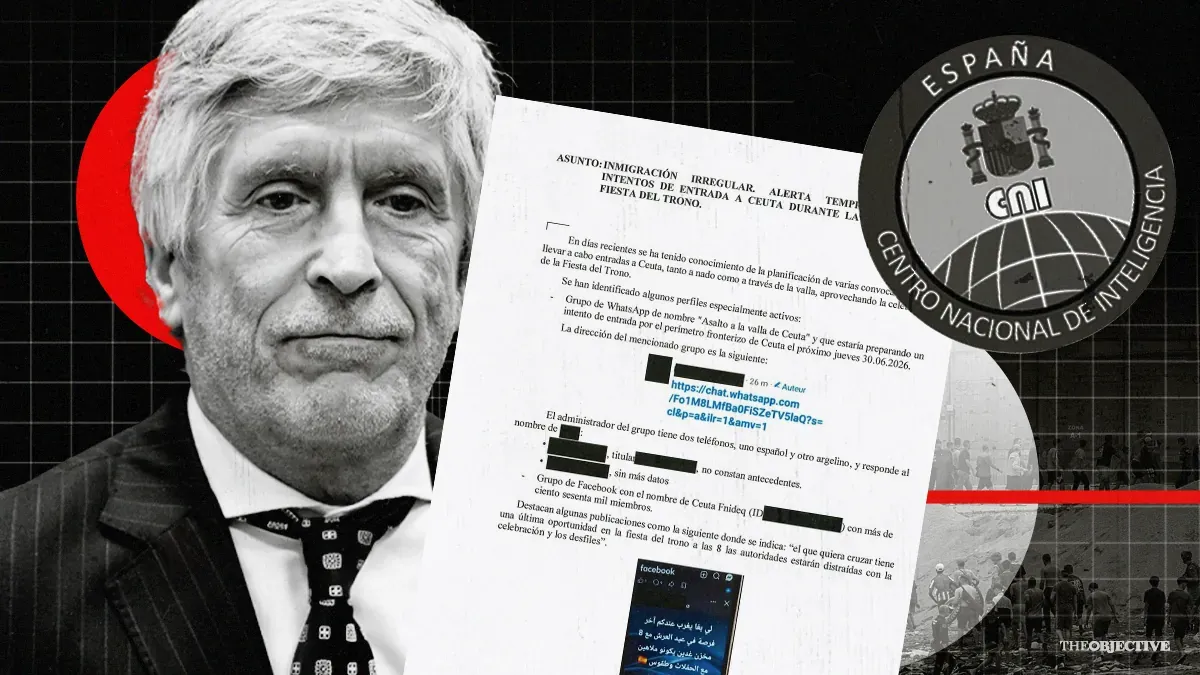
Vivas expressed the need for the government to clarify why it has refrained from holding Morocco accountable for the "invasion," either directly or through inaction. This remark comes in response to a leaked police report indicating that Moroccan forces may have played a role in the crisis. He claimed that Rabat continues to pursue a "harassment policy" against the city, leaving Ceuta's residents living in fear of another sudden and large influx of migrants. While he avoided explicitly calling for a suspension of EU funds directed towards Morocco—a demand recently adopted by the far-right Spanish party Vox—he highlighted that the EU is currently funding Rabat's migration management strategy with €160 million until 2027. In his discussions with European commissioners, he also requested financial support for building border infrastructure and addressing the humanitarian crisis that erupted following the mass influx.
According to Vivas, the European Commissioners Andrius Kubilius, Magnus Brunner, and Dubravka Šuica expressed their support for Ceuta, but the Commission did not provide any specific commitments. He argued that both Ceuta and Melilla, as the only land borders of Europe with Africa, should be granted a "special status" within the EU, with immigration rules tailored to their unique situations. Among his other demands is a "permanent" presence in Ceuta of the European Union Agency for Asylum (EUAA) and the European Border and Coast Guard Agency (Frontex), which is responsible for monitoring the bloc's borders.
Vivas concluded by stating, "The situation is no longer bearable. We need EU support to restore normalcy. If Ceuta falls, Europe falls."
As reported by arabic.euronews.com.