
Migrant Influx in Ceuta: A Call for Action
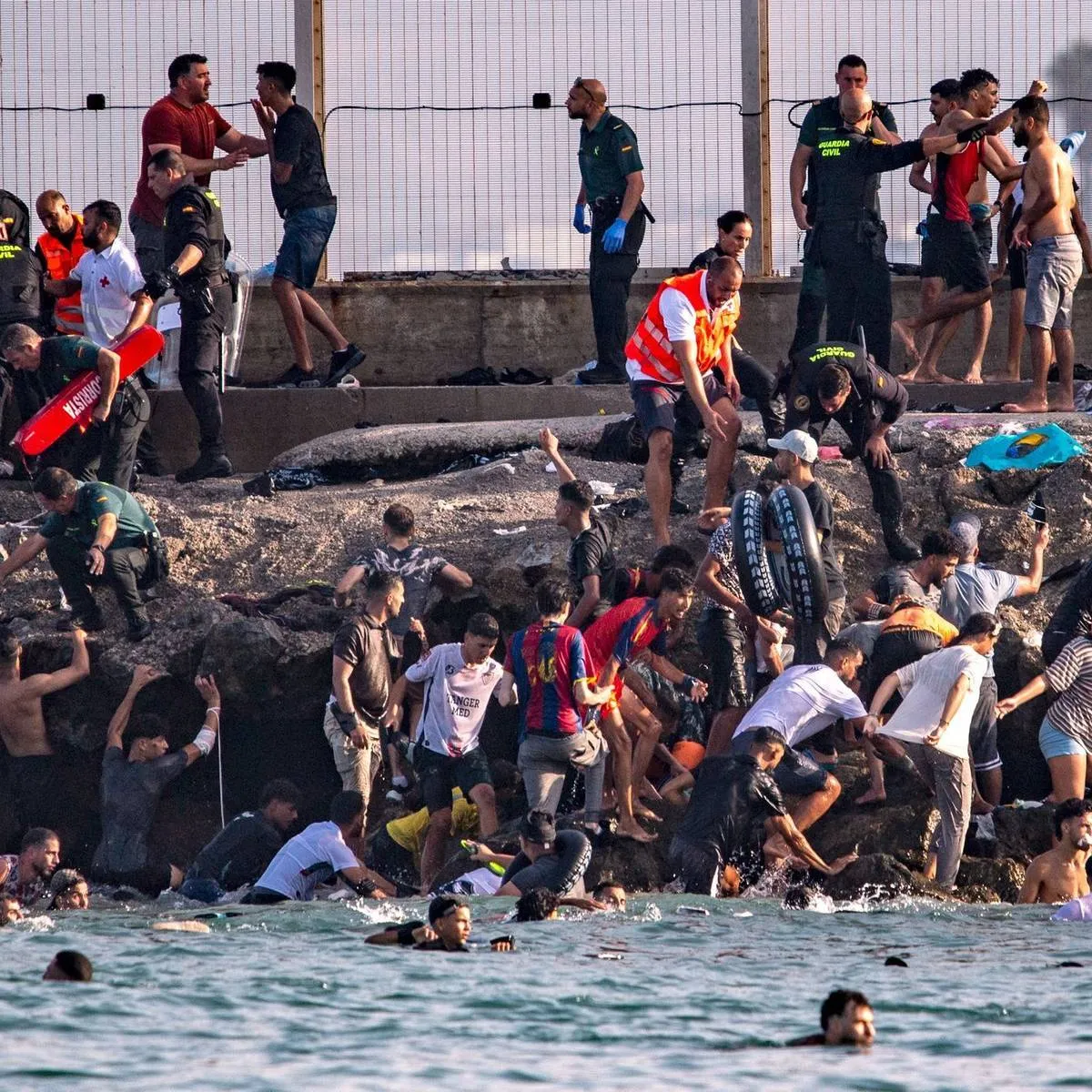
In a significant development concerning the ongoing migrant crisis, local authorities in Ceuta, a Spanish exclave bordering Morocco, are responding to the arrival of tens of thousands of migrants. As of late July, approximately 72,000 migrants made their way to Ceuta, with around 2,000 still present on the island. Juan Jesús Vivas, the president of Ceuta, has publicly urged for the internment of these remaining migrants until their deportations can be processed. During a press conference, Vivas described the current situation as 'unacceptable' and 'untenable,' emphasizing the urgent need for a state plan aimed at restoring normalcy in Ceuta.
Vivas articulated that the freedom of movement for the remaining migrants should be restricted until their deportation procedures are completed. This statement underscores the growing concern among local officials regarding the management of the migrant population, which has faced scrutiny amid rising tensions within the community. According to the Spanish government, the influx not only poses logistical challenges but also raises significant humanitarian issues, as the migrants, including hundreds of unaccompanied minors, struggle to secure basic necessities such as food, water, shelter, and sanitation.
Government Response and Challenges Ahead
In light of the crisis, Ángel Víctor Torres, the Spanish Minister responsible for regional relations, has assured the residents of Ceuta that there will be an increase in police and military presence to maintain order. However, he also highlighted that reuniting unaccompanied minors with their families is a priority, without addressing the contentious topic of deportations. This development reflects a broader conflict between the socialist government of Spain and conservative regions governed by the People's Party (PP) and the right-wing Vox party, particularly regarding the acceptance of unaccompanied minors under current legal frameworks.
The situation in Ceuta illustrates the complex interplay between humanitarian needs and political responses, raising questions about the future of those migrants who remain on the island. With Ceuta’s population standing at approximately 84,000, the presence of thousands of migrants has intensified discussions around immigration policy and the responsibilities of local and national authorities.
As reported by rp-online.de.