
The Invasion of Ceuta: A Test of Demography and Policy
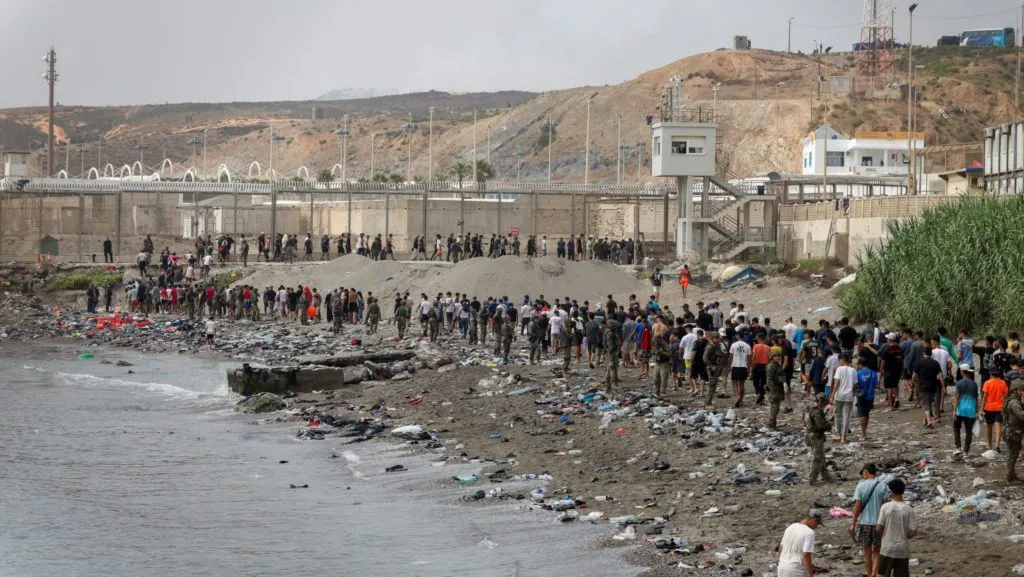
Archbishop Luis Argüello, the president of the Spanish Episcopal Conference (CEE), recently highlighted the ongoing migrant crisis in Ceuta, a Spanish city on the African coast, describing it as a significant test of demographics as a form of political leverage. With the influx of approximately 60,000 migrants arriving illegally from Morocco, the situation has escalated to alarming levels, prompting concern from various sectors, including Pope Leo XIV, who echoed similar sentiments regarding the severity of the crisis.
In a message shared on August 2 via X, Argüello emphasized the critical role of biopolitics in global power dynamics, stating, "Life is toyed with, and people — their dreams, hunger, sexuality, and data — are exploited for profit and power." He further articulated that migration is intricately linked to this strategy, reinforcing the idea that the crisis in Ceuta serves as a test case wherein demographics become a tool of manipulation.
The Human Cost and Political Ramifications
The perilous journey taken by migrants, many of whom swam to reach Ceuta, has resulted in tragic losses, with reports indicating that at least 72 individuals have perished in the attempt, and estimates suggest that the actual toll could be over 100 lives lost. Although a majority of the migrants have reportedly returned to Morocco, an estimated 5,000 individuals remain homeless on the streets of this autonomous city, highlighting the profound human impact of this crisis.
European Union officials have pointed to Spain's recent mass legalization of immigrants, backed by the Catholic Church, as a contributing factor to the current surge in migration. Compounding the complexities of this situation, a recent ruling by the Spanish Supreme Court has invalidated the practice of immediate expulsions, known as “hot returns,” for those who entered the country unlawfully via swimming, further complicating the legal landscape surrounding migration.
In a reflective statement, Dominican Bishop Xabier Gómez, who oversees Migration and Interculturality for the Tarraconense Episcopal Conference, described the unfolding events in Ceuta as a
As reported by angelusnews.com.