
New Financial Support for Transport Professionals
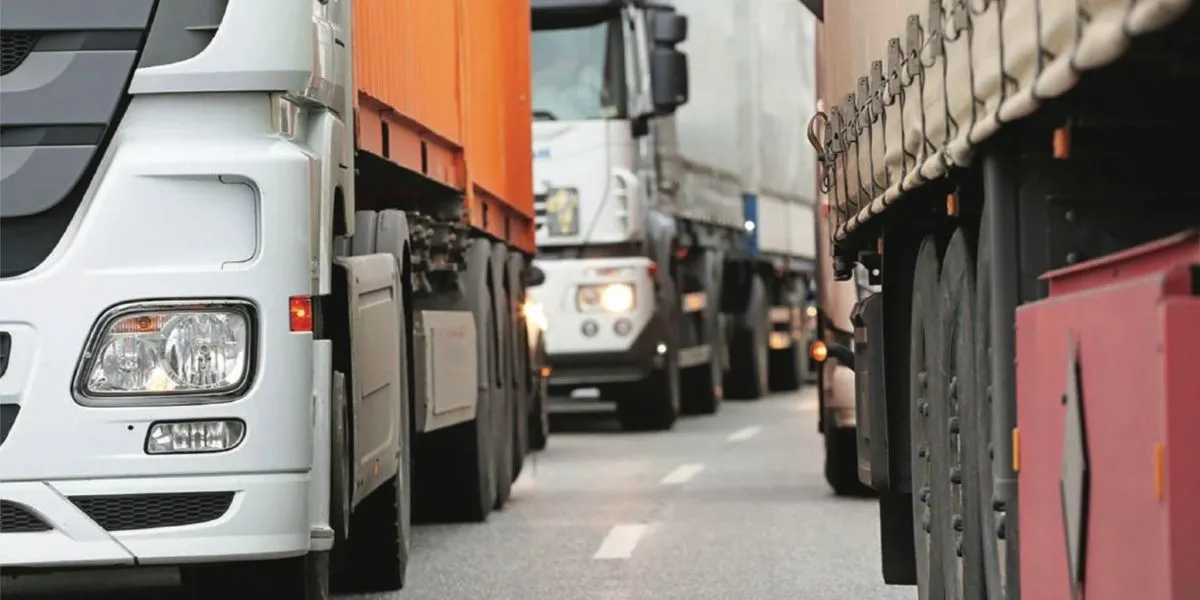
Marrakech – The Moroccan Ministry of Transport and Logistics has recently announced a new tranche of direct financial assistance aimed at supporting road transport professionals responsible for the movement of both passengers and cargo. This initiative, which will span a 30-day period, is set to commence with registration opening on Thursday, September 24, via the same electronic platform that facilitated previous support tranches, accessible at mouakaba.transport.gov.ma.
The government has committed to extending this support in response to the ongoing increases in international fuel prices, vowing to maintain this initiative until fuel costs stabilize at pre-crisis levels. This decision is closely linked to persistent geopolitical tensions and the sustained rise in global fuel prices, which have inevitably impacted domestic markets. The overarching objective is to stabilize transport costs and shield consumers from the effects of escalating energy prices.
Background and Context of the Initiative
This new tranche represents the latest development in a support program that was initiated in mid-March. On March 17, the Moroccan government launched direct exceptional aid for road transport professionals, in light of the significant spikes in international oil prices that have translated into higher domestic fuel costs. The program encompasses a wide array of transport services, including freight, passenger transport, taxis, buses, and tourist transport, with initial registration starting on March 20.
On March 30, a pivotal meeting chaired by Head of Government Minister Aziz Akhannouch was convened to establish a ministerial committee tasked with monitoring the economic repercussions stemming from geopolitical tensions in the Middle East. The government initially confirmed transport support for the period from March 15 to April 15, receiving over 87,000 applications. During this time, the government maintained subsidies for both butane and electricity, despite a staggering 68% increase in international butane prices since the crisis began in early March.
As the situation evolved, the government expanded the aid on April 16, enhancing its value by 25% for fuel consumed between April 16 and April 30. By May, the Ministry of Transport adjusted to issuing support in 15-day increments due to the rapidly changing nature of prices, which included periods covering May 1-15 and May 16-31. This approach continued throughout the summer months, with further tranches for July 16-31 and August 1-15.
The energy crisis at the heart of this support initiative can be traced back to ongoing conflicts in the Middle East. A note from the Ministry of Economy and Finance attributed the surge in oil prices to military escalations in the region and the near-blockade of the Strait of Hormuz. In March, Brent crude oil prices averaged approximately $104 per barrel, marking a 46% monthly increase, and peaked at $144.50 on April 7. Subsequent reports indicated that the near-closure of the Strait of Hormuz, a critical route responsible for transporting around 20 million barrels of oil daily, represented an extraordinary supply shock, with Brent averaging $120 in April.
By June, the Ministry of Finance noted that Morocco had successfully diversified its sourcing, with over 70% of pertinent imports originating from the United States, providing a buffer against disruptions in the Euro-Mediterranean region, although the country still grappled with heightened freight costs.
As reported by moroccoworldnews.com.