
Melchor León's Insights on the Migratory Crisis in Ceuta
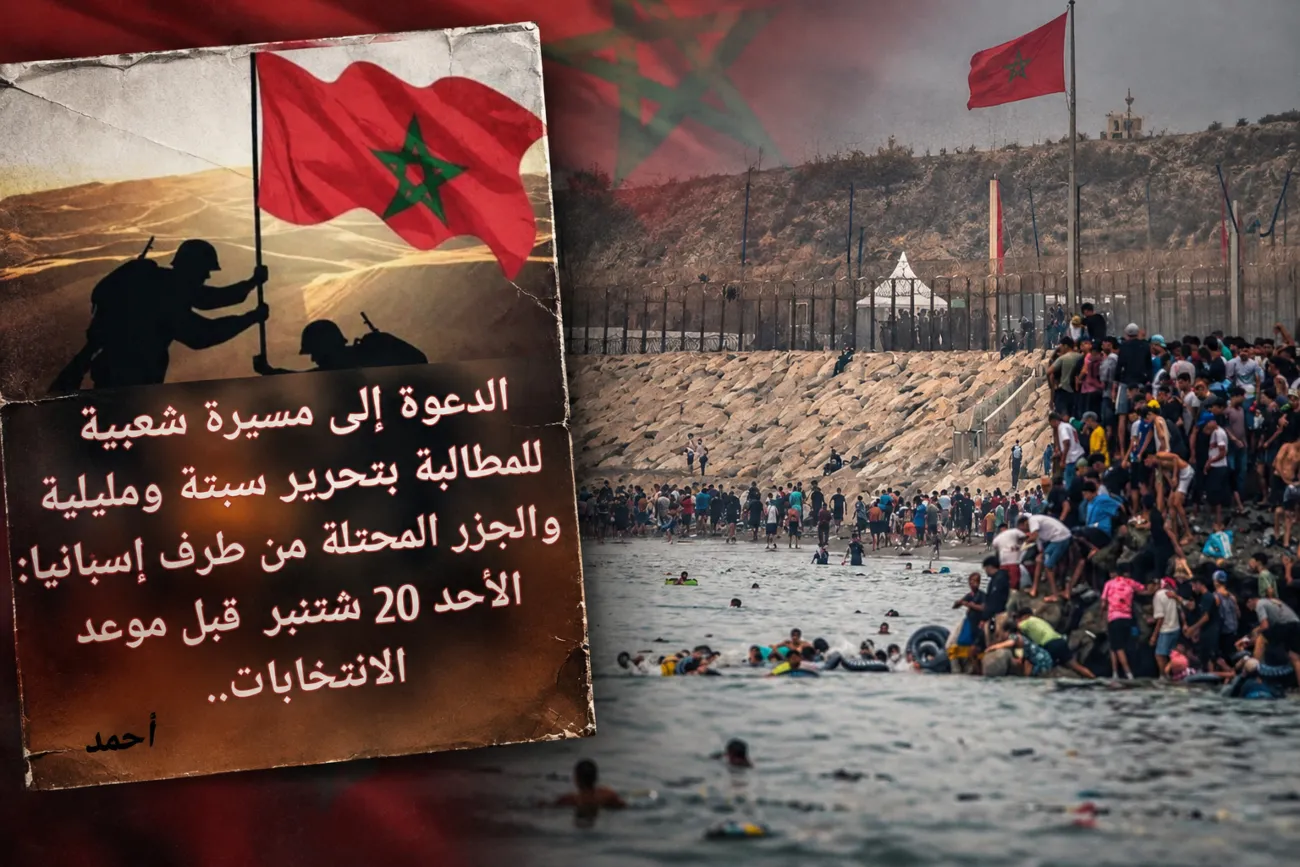
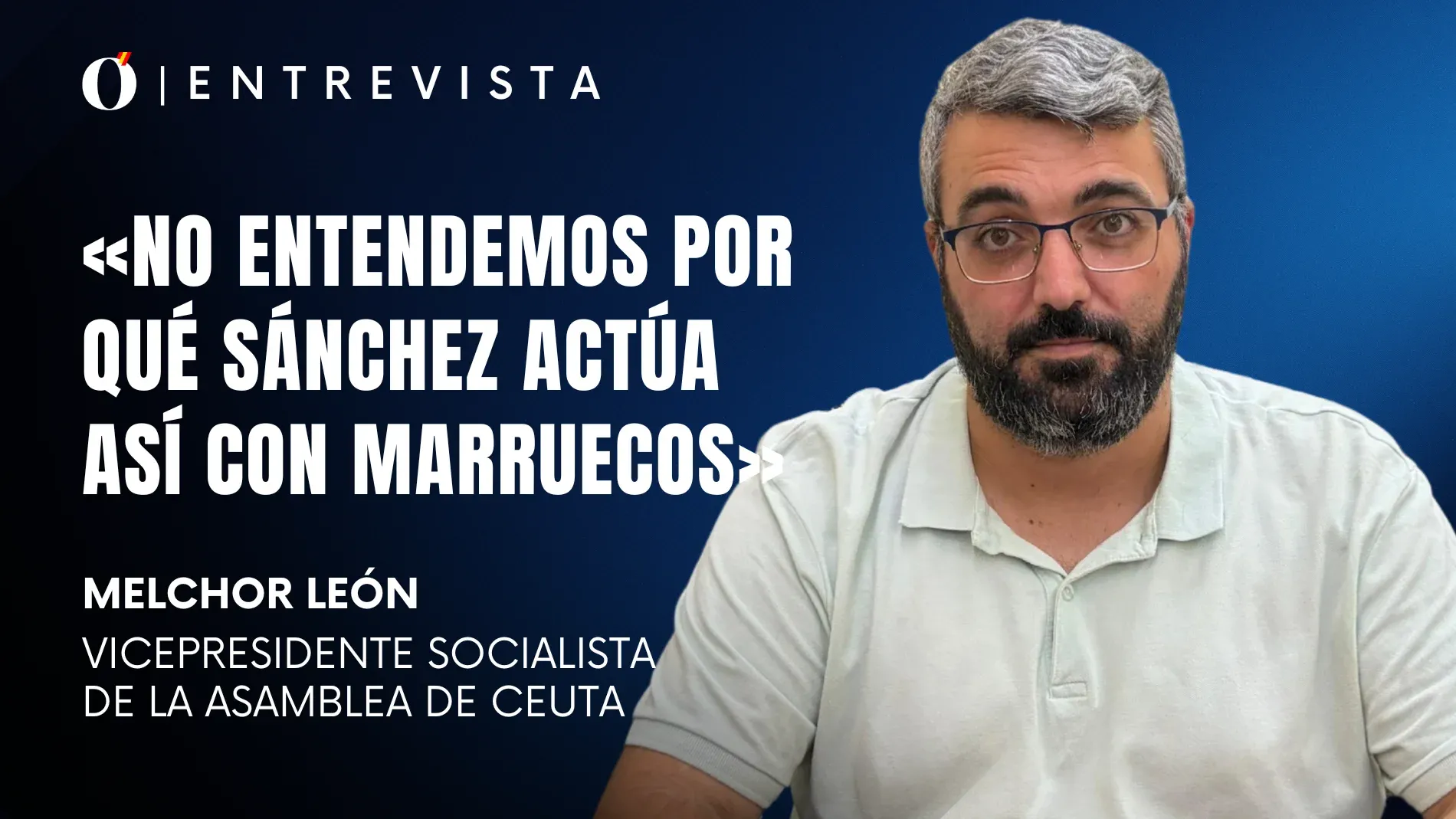
On September 3rd, at eleven in the morning, the Mediterranean Sea separates Ceuta from Madrid by a staggering 500 kilometers, amid an unprecedented influx of thousands of migrants. In the Congress of Deputies, Spanish Prime Minister Pedro Sánchez is addressing the nation regarding the gravest migratory, humanitarian, and security crisis that Spain has faced in recent history. Meanwhile, in the Assembly office of the autonomous city, the First Vice President, Melchor León of the PSOE, follows the session on his mobile phone, expressing his indignation at the government's handling of the situation alongside his colleague, Sebastián Guerrero, the party's spokesperson in the local council. León's outspoken criticism of the government's management has led to threats of expulsion from the party's leadership and has resulted in him being labeled a 'facha' by some members of his own political circle.
When asked if he has shifted to the 'fachosfera', León vehemently denies the accusation, asserting that he has always been a progressive and leftist. He explains that his values, instilled in him from a young age, compel him to defend the rights of the citizens of Ceuta, even if that label is unfairly attached to his advocacy. He describes Sánchez's initial presentation to the Congress as utterly outrageous, claiming that the Prime Minister is not being truthful about the reality of the situation that Ceuta has endured, failing to label the massive influx of migrants as an invasion orchestrated by Morocco. León points out that the government's narrative contradicts reality, as they claim Morocco is a reliable partner while simultaneously facing territorial assertions from the Moroccan monarchy regarding Ceuta and Melilla, territories that have never belonged to Morocco and never will.
The Ongoing Crisis and Its Implications
León expresses frustration over Sánchez's apparent complacency towards the Moroccan regime, questioning why the government is acting in such a manner when it was clear from the outset that an attack on Spain's territorial integrity had occurred. He highlights that the situation has only worsened, with the social unrest in Ceuta escalating rather than being resolved. He also criticizes the government for its lack of transparency and action, emphasizing that the local government delegate failed to take necessary precautions despite having prior knowledge of the impending crisis. León believes that the lack of decisive action contributed to the chaos that ensued, contrasting it with the swift response seen in Melilla, which was effectively managed by its local delegate.
As the new school year approaches, León has taken a proactive stance by urging the Ministry of Education to delay the reopening of schools until safety and health conditions are met. He stresses that if security measures are inadequate for public events, they are equally unsatisfactory for children attending school. His concerns extend to the broader social climate in Ceuta, which is marked by rising tensions and economic difficulties, as residents await solutions to the crisis. León advocates for a declaration of a state of emergency to restore order and security, allowing businesses to reopen and children to play safely outside. He insists on the need for expedited deportation processes and reinforcements in law enforcement to address the ongoing challenges effectively.
As reported by larazon.es.