
Morocco's Bold Call for September 20 March
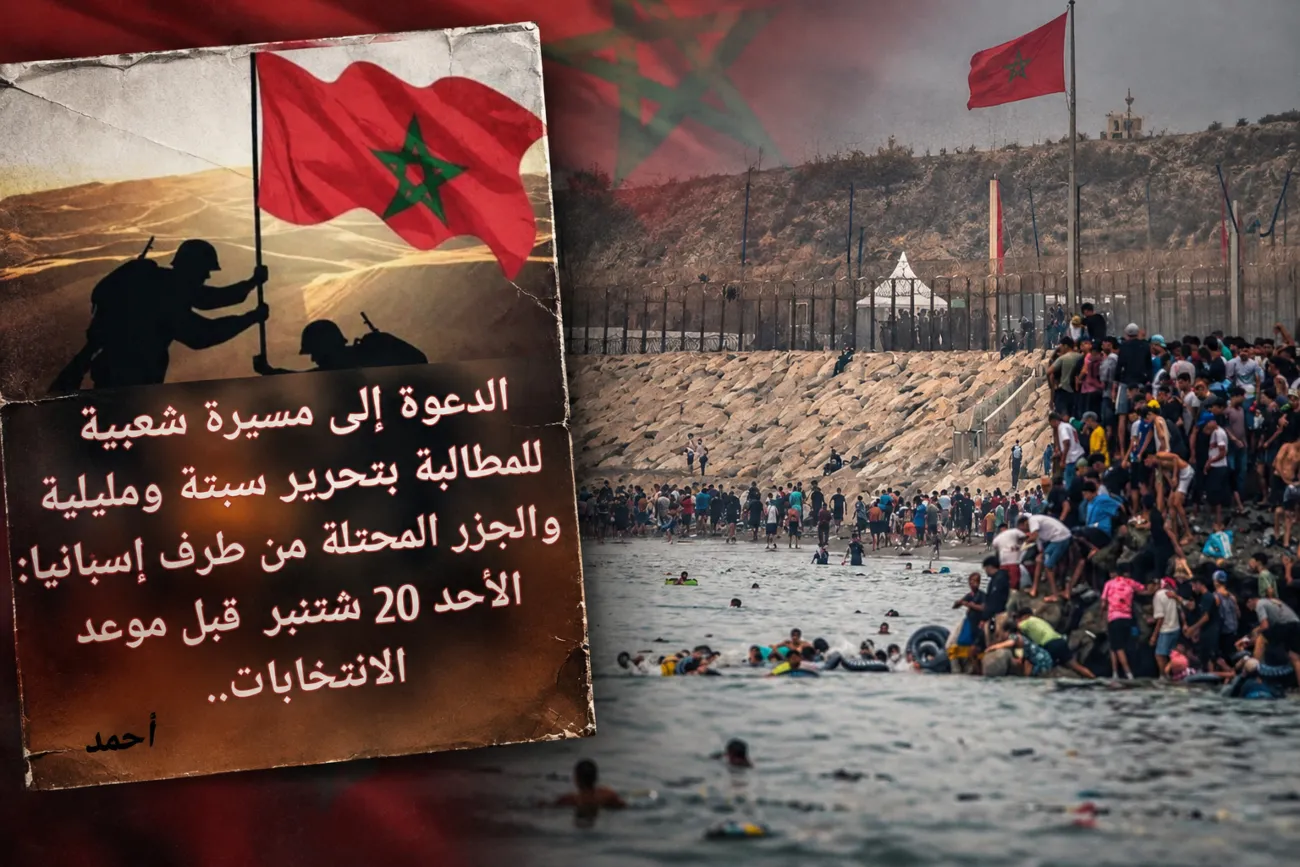
In a surprising turn of events, a call for a large-scale march in Morocco has emerged, aimed at demanding the 'liberation' of Ceuta, scheduled for September 20, 2026. This initiative has gained traction on social media, with posters, screenshots, and videos circulating widely. The march is being framed as a significant political statement, coinciding with the upcoming legislative elections in Morocco, set to take place between September 10 and 22. With this timing, the protest seems designed to galvanize electoral support without necessitating significant military mobilization or direct border incursions.
Political Implications and Strategic Messaging
The organization behind this march remains unclear, and there is currently no public evidence to suggest that it is a state-sanctioned initiative. Nonetheless, the march's promotional materials utilize strong language, characterizing Ceuta, Melilla, and several small islets as 'occupied' territories, thus reigniting a long-standing territorial dispute with Spain. This rhetoric serves not only as a rallying cry for nationalistic sentiments but also as a strategic maneuver to escalate political discourse ahead of the elections.
The campaign has been methodically crafted to amplify a familiar territorial claim within Morocco while also leveraging the potency of social media to create a sense of urgency and action among the populace. The absence of a concrete plan for a massive entry or assault on the frontier suggests a calculated approach: to elevate a sensitive issue in the political arena without crossing into direct confrontation. The power of a strong message, particularly when coupled with the viral nature of digital platforms, can be an effective tool in influencing public opinion and shaping diplomatic narratives.
In light of these developments, the Moroccan government, particularly under the leadership of Prime Minister Mohamed VI, faces pressure to respond effectively to this mobilization. The continued silence from Spain's Sánchez government in the face of these provocations raises questions about the future of Ceuta and the broader implications for regional stability.
As reported by periodistadigital.com.