
Addressing the Crisis in Ceuta: Urgent Relocation Needed
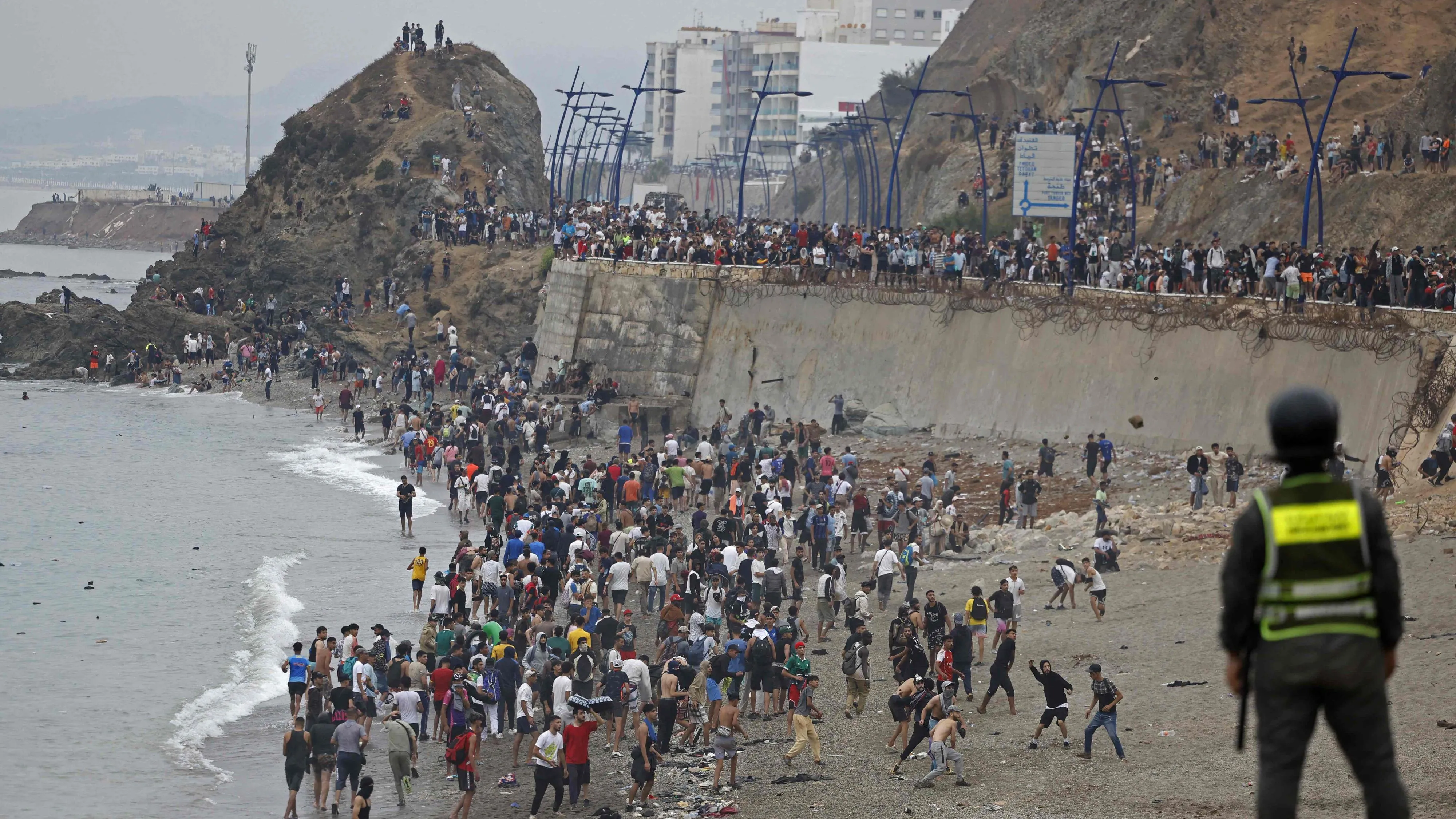
In a recent interview, Alejandro Ramírez, the First Vice President of the Ceuta Government and Councillor for the Environment, elaborated on the pressing issues surrounding the Benítez Beach area in Ceuta, which has become a focal point for migrant settlements. These encampments, notably situated close to critical infrastructure such as a desalination plant, are raising significant safety concerns. Ramírez emphasized the urgency for evacuation, stating that the current conditions are inappropriate and pose risks not only to the migrants but also to the local population. He noted that the settlement, which emerged at the onset of the ongoing crisis, has experienced repeated occupations despite previous evacuations.
Ramírez highlighted the precarious nature of the situation, where the number of individuals residing in these camps is currently unknown. He described the settlement as growing increasingly unstable, with the potential for serious incidents that could jeopardize the operations of essential facilities responsible for providing potable water. The local water management authority has urged the government to expedite the evacuation of the perimeter area surrounding the desalination plant due to heightened security risks and the growing number of migrants.
The Current Migrant Situation and Community Impact
This week, approximately 800 migrants were relocated from Loma Colmenar to Los Rosales, a move that city officials hope will alleviate some of the pressures on Ceuta. However, the Vice President expressed concerns regarding the government's lack of clarity on the total number of migrants remaining in the city, which has led to a chaotic environment. Estimates suggest that the actual number could exceed 10,000 individuals, complicating the government's strategies for managing the situation effectively. Ramírez pointed out that the lack of coordination in the establishment of new settlement locations has contributed to the ongoing distress within the community, making it difficult to provide adequate support and ensure safety.
The Vice President also reported a significant increase in crime rates since the onset of the crisis, indicating that incidents of violence, including stabbings and vandalism, have surged. These developments have created a palpable sense of insecurity among residents, with many feeling that daily life in Ceuta has been profoundly altered since late July. He underscored that the city is currently in a state of tension, likening it to a pressure cooker that could potentially 'explode' if the situation remains unaddressed.
In light of these challenges, Ramírez reiterated the need for a clear and actionable plan from the government regarding the repatriation of migrants to their countries of origin, particularly Morocco. He asserted that Ceuta must not become a transit point for migrants heading to other parts of Spain or Europe. The Vice President concluded with a call for urgent government action to restore order and normalcy to the city, emphasizing the community's desire for a swift resolution to the ongoing crisis.
As reported by rtve.es.