

The Delays in Repatriation Processes
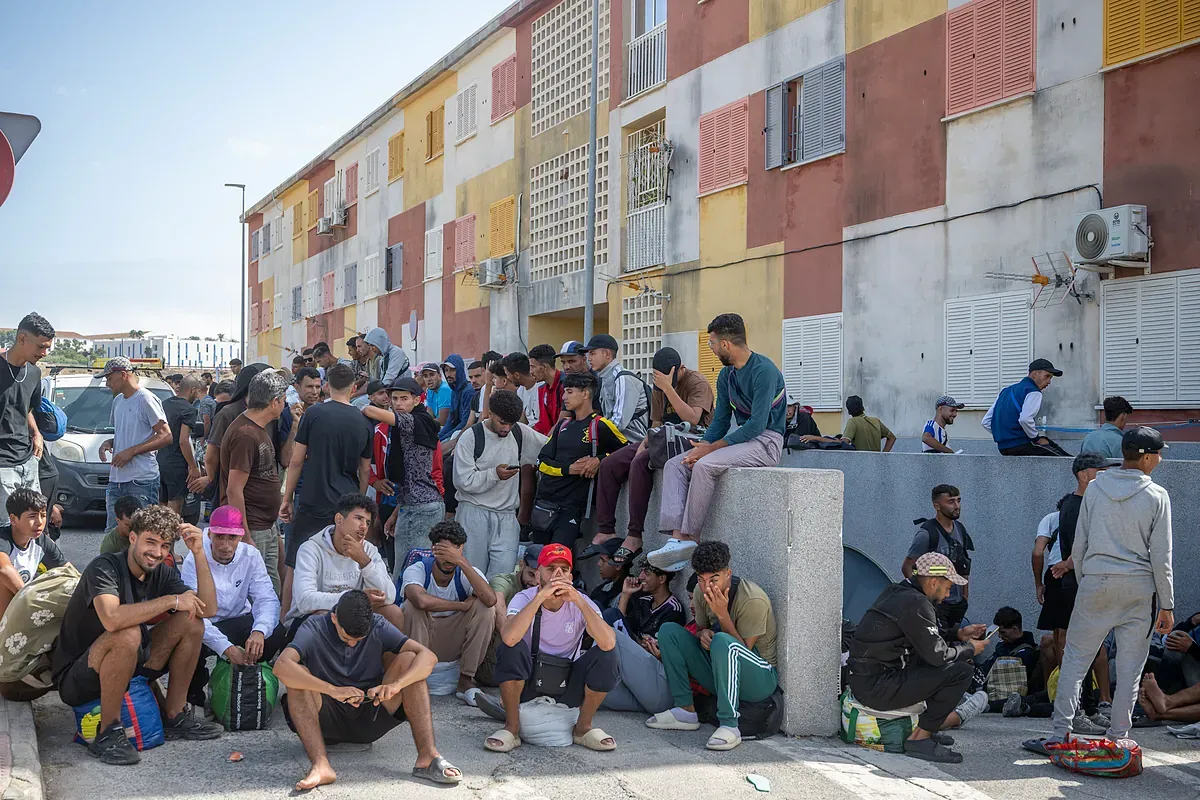
The Spanish government is poised to begin sending the first 25 ordinary repatriation files for unaccompanied minors this week, a significant step that comes a month after the surge at the European border on July 30. Despite the government's announcement that approximately 90% of the immigrants who entered Ceuta through the Tarajal border have returned to Morocco, there remains a palpable concern regarding the potential for prolonged delays in the overall repatriation process due to complex legal procedures. The hurdles are exacerbated by a reluctance among officials to sign the necessary documents for fear of being prosecuted for administrative malpractice, particularly in light of past incidents involving expedited repatriations. This situation has been highlighted by sources within the government who have expressed their frustration to EL MUNDO.
Currently, around 1,200 minors remain in Ceuta, but officials are cautiously optimistic that the number of repatriations could increase from the initially planned 25 to as many as 35, contingent upon overcoming bureaucratic bottlenecks that are hindering the efficiency of the process. The government acknowledges the urgent need for a substantial push to alleviate these bureaucratic delays. If the resolution to the crisis continues to trickle in at a slow pace, the risk of escalating social tensions in Ceuta may increase significantly. Despite assurances from Moncloa that Morocco is amenable to accepting back all immigrants involved in the recent crisis, the reality on the ground shows a more complicated picture.
Legal Impediments and Social Tensions
Government sources have reported that 200 adult immigrants have been expelled through extraordinary measures due to minor offenses, while the repatriation of minors remains stalled. Questions abound regarding the hesitance of both local and governmental officials to expedite the timelines that could alleviate social unrest in Ceuta. The root of this hesitance appears to stem from a landmark ruling by the Provincial Court of Cádiz, which imposed a nine-year disqualification on the former government delegate in Ceuta, Salvadora Mateos, and the former first vice president of the autonomous city, Mabel Deu, for an administrative malpractice related to the expedited repatriation of 55 minors back to Morocco in 2021.
This ruling has created an environment in which officials are loath to take responsibility for the repatriation process, leading to a situation where no one is willing to expedite the files. Government insiders reveal that the effects of the ruling have created a culture of caution, where adherence to the letter of the law is prioritized over the practicalities of repatriation. This has resulted in a significant backlog of cases, further compounded by the lack of real assurances that Morocco will process these repatriation requests swiftly. Indeed, the Youth and Childhood Minister, Sira Rego, disclosed that Morocco is currently holding onto 600 files of unaccompanied foreign minors who arrived in Ceuta before July 30, raising concerns about the country's willingness to cooperate effectively.
Officials have acknowledged the legal challenges they face and their inability to accelerate the repatriation processes, citing that many individuals who enter the country now seek political asylum, complicating the situation further with additional interviews and procedural requirements. The delays in processing these cases can largely be attributed to Spain's legal framework and the precedent set by the aforementioned court ruling, rather than a lack of cooperation from Morocco. The government continues to assert that Morocco is cooperating in this regard, but there is a pressing need for a more efficient handling of these cases with the necessary guarantees in place. The overall sentiment among officials is one of frustration as they grapple with the complexities of the current legal landscape.
As reported by elmundo.es.

