
Chawi Critiques National Chauvinism in Regional Power Narratives
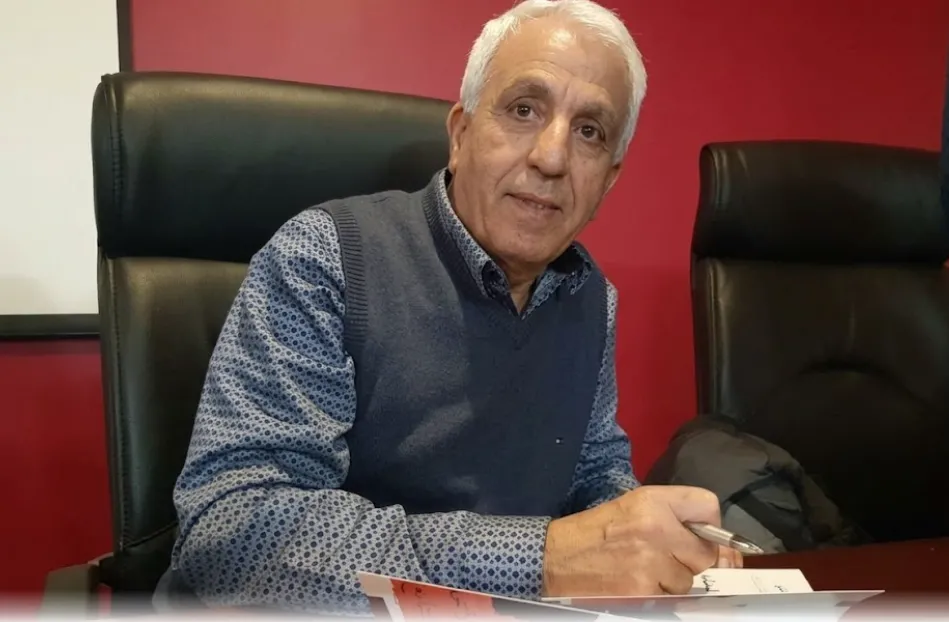
On October 4, 2026, renowned writer and former diplomat Abdelkader Chawi expressed his concerns regarding the rising sentiment of what he termed "national chauvinism" in the discourse surrounding Morocco's aspirations to become a significant regional power. He argues that an inflated sense of national pride cannot serve as a substitute for the actual pillars of strength, which he identifies as a robust economy, social justice, democracy, and a state governed by institutions and law.
In an article published on the website "Al-Arabi Al-Jadid," Chawi elaborated on the concept of Morocco's power, noting that this narrative has gained significant traction over the past two decades. This surge in nationalistic rhetoric has been particularly prominent amidst developments related to the Sahara issue and regional tensions, leveraging social media and political rhetoric to position the idea of power as a central element in shaping public opinion.
Chawi posits that discussions about Morocco's strength hinge on three main pillars: the developmental projects announced by the government, the shift in handling the Sahara issue from a defensive stance to a more aggressive diplomatic approach, and the use of investments and economic relations as tools for political leverage in alignment with Morocco's strategic interests.
He pointed out that even official Moroccan discourse refrains from explicitly referring to "power," focusing instead on economic and developmental projects along with diplomatic advancements. He contends that portraying Morocco as a "regional power" is partly an ideological conclusion promoted by journalists, politicians, and activists.
In contrast to this narrative, Chawi highlighted a series of economic and social imbalances, including limited sources of wealth, dependence on the agricultural sector and its vulnerability to climate fluctuations, and the economy's insufficient capacity to absorb youth unemployment. He also noted the persistence of social disparities, poverty, illiteracy, and inadequate social justice, which he views as "structural brakes" hindering Morocco's ambitions of becoming a regional power. He cautioned against transforming national sentiment into a "justifying obsession" for the current reality through an ideological narrative that exaggerates the image of strength.
Chawi concluded that the true essence of regional power is not rooted in rhetoric or inflated national pride, but rather in a "strong and developed economy, a society enjoying prosperity and well-being, and a democracy underpinned by institutions and the rule of law."
As reported by lakome2.com.