
Morocco's Sudden Change in Migratory Control
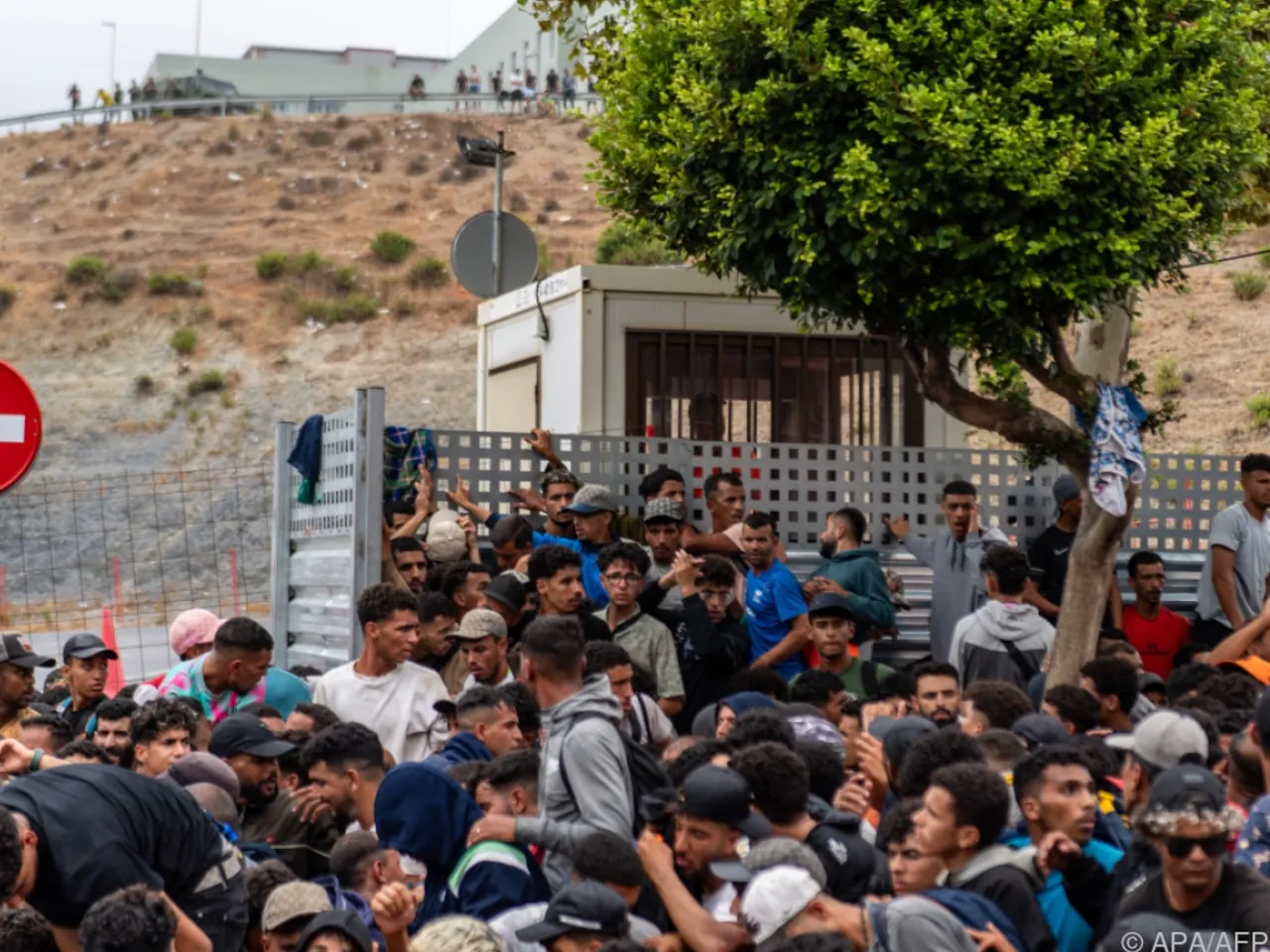
The Spanish Civil Guard has raised concerns regarding a significant shift in Morocco's approach to controlling migration into Ceuta, particularly emphasizing their "passivity" during a recent crisis. As thousands of individuals attempted to cross into Spanish territory from Morocco, the Civil Guard noted that Moroccan authorities had previously been cooperative in managing migration but appeared to abandon this stance on July 30. The reports indicate that, while Morocco had been actively involved in preventing illegal crossings until July 29, a dramatic change occurred the following day when they ceased to enforce border controls adequately, allowing a surge of migrants to approach the border.
This assessment comes from one of the 40 documents recently declassified by the Spanish government, shedding light on the situation as it unfolded. A report dated July 30 detailed the overwhelming influx of migrants into Ceuta, with estimates indicating that as many as 10,000 people had already entered Spanish territory by land and sea, with thousands more still gathering on the Moroccan side. The Civil Guard's initial analysis, conducted earlier that day, identified Morocco's lack of response as alarming, highlighting a failure to manage the rising numbers effectively.
By 1:20 PM, the Civil Guard had already recognized a troubling passivity from Moroccan forces, which was described as "extremely serious." As the day progressed, a slight resurgence in Moroccan police activity was observed, but this did not translate into an immediate decrease in the number of crossings. The situation prompted a videoconference with Spain's Ministry of Interior to coordinate a response, as the scale of the humanitarian crisis became increasingly evident.
Analysis of the Events Leading to Crisis
In the days leading up to the crisis, Moroccan authorities had maintained a more active role in controlling migration, as evidenced by a marked increase in the number of swimming entries recorded in Ceuta and Melilla. In the week of July 20 to 26, there had been a significant rise, with 279 entries reported, a stark contrast to the previous week’s figures. However, the reports suggest that the situation escalated beyond control by the end of July, leading to calls for the deployment of the Armed Forces to assist in managing the influx, which was attributed to inadequate containment mechanisms following a recent Supreme Court ruling regarding the legality of border returns.
This situation underscores the complexities of international migration and the challenges faced by both Spain and Morocco in managing their borders effectively. The lack of coordination and the rapid changes in Moroccan policy have raised questions about future cooperation and the need for robust strategies to address migration-related issues comprehensively.
As reported by elconstitucional.es.