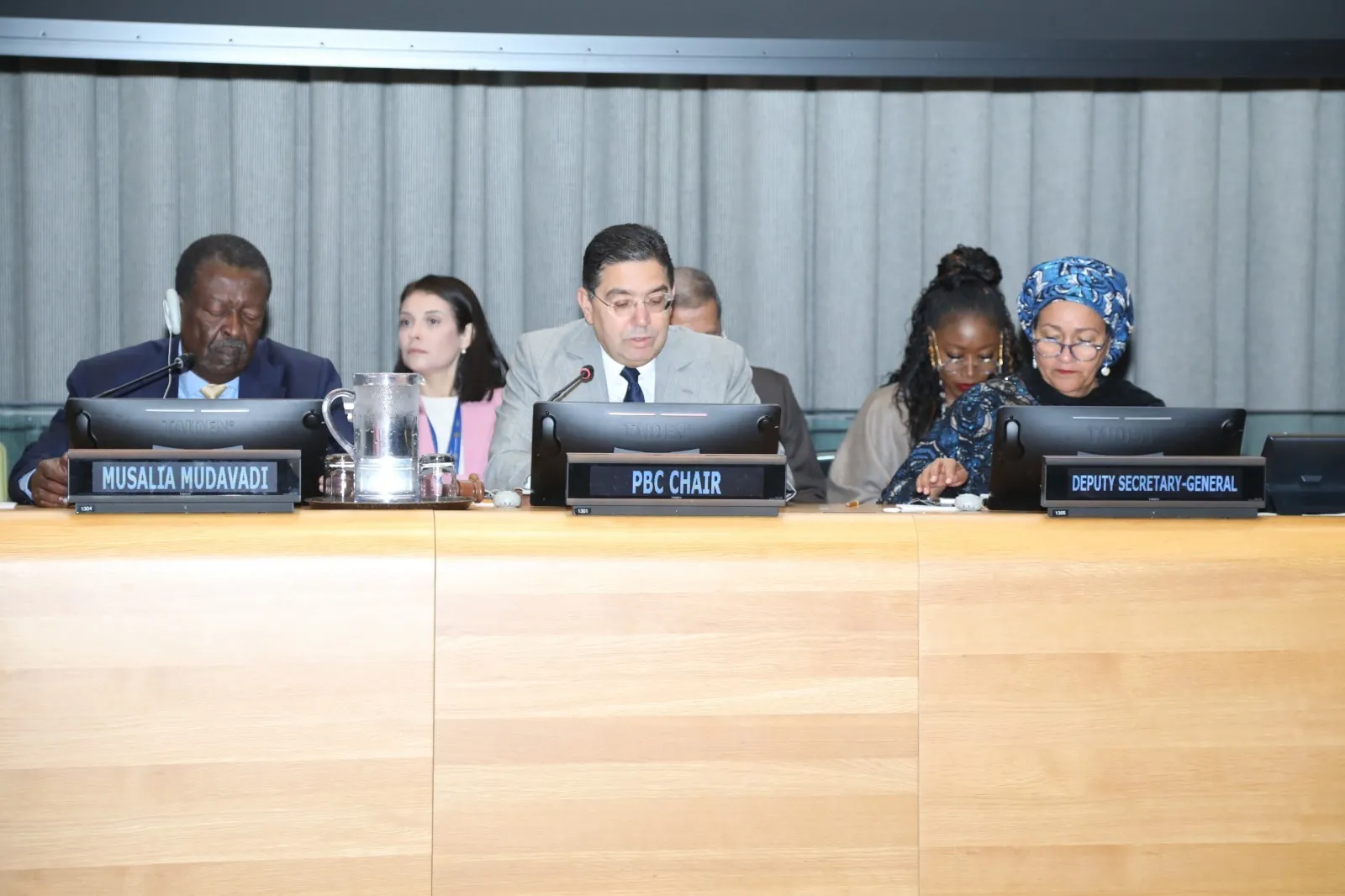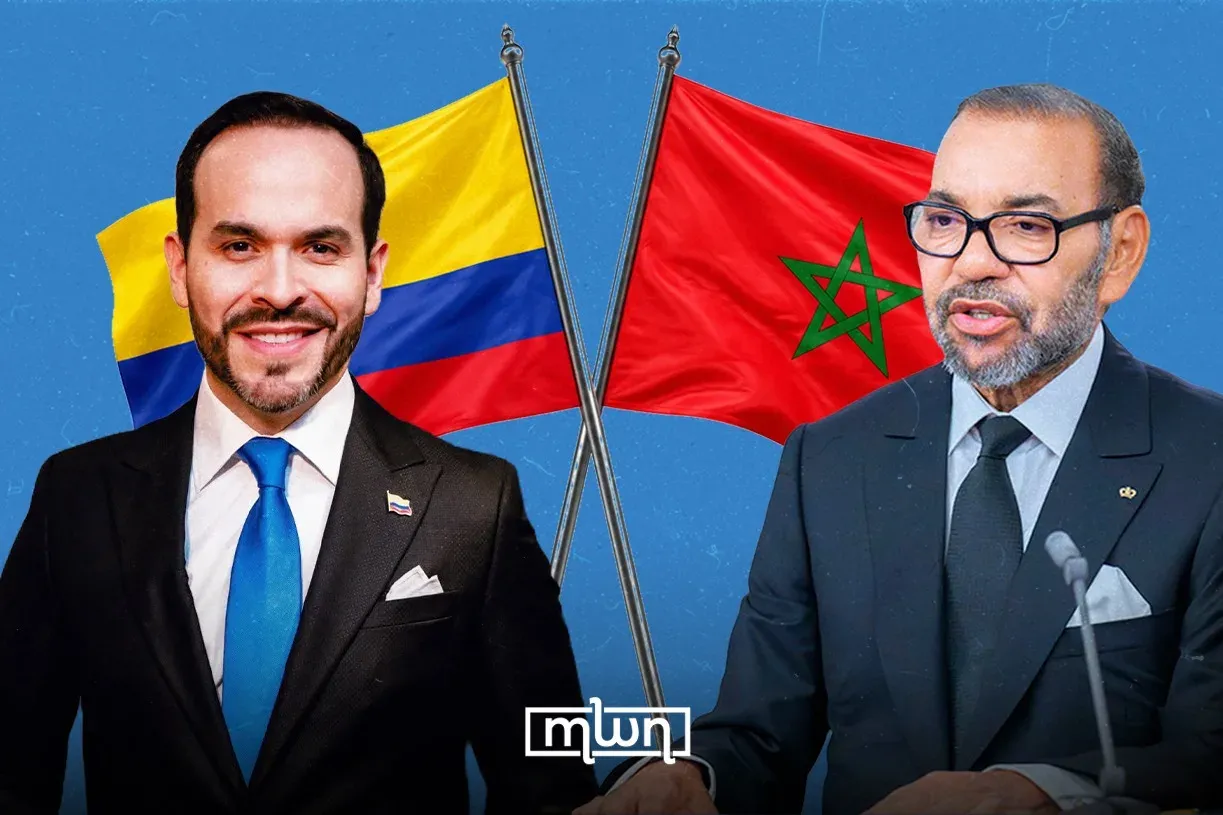

In a significant diplomatic shift, Colombia has officially recognized Morocco's sovereignty over the Western Sahara region, marking a pivotal moment in the long-standing territorial dispute. This landmark decision was announced following a high-level meeting that took place on Friday between Moroccan Foreign Minister Nasser Bourita and Colombian Vice President José Manuel Restrepo, alongside Colombian Foreign Minister Omar Bula Escobar. During this pivotal meeting, Escobar articulated Colombia's newfound stance, stating unequivocally that the nation recognizes Morocco's sovereignty over the Sahara, signaling a transformative direction in Bogotá's approach to this enduring conflict.
Restrepo characterized this development as a "new beginning" in the bilateral relationship between Colombia and Morocco, emphasizing Morocco's status as "Colombia’s first ally in Africa." He further articulated his country's ambition to forge a strategic partnership with Morocco, underscoring the potential for mutual benefits between the two nations. Bourita hailed Colombia's decision to retract its recognition of the self-proclaimed Sahrawi Arab Democratic Republic (SADR) and to formally acknowledge Moroccan sovereignty over the Sahara as a “historic” milestone that could significantly enhance bilateral relations.
Furthermore, Bourita noted that both Morocco and Colombia could serve as vital economic platforms for one another, leveraging their respective geographical positions in Africa and Latin America to foster mutual growth and collaboration. Currently, Bourita is in Cali representing King Mohammed VI at the inauguration of Colombia’s new president, Abelardo de la Espriella, which he stated reflects Morocco's commitment to bolster the renewed momentum in their bilateral relations, aiming to elevate them to unprecedented heights.
Morocco's Expanding Diplomatic Support on the International Stage
This recent diplomatic recognition from Colombia coincides with Morocco's increasing international support regarding the Western Sahara issue. In the past few years, over 130 countries have expressed their backing for Morocco's **Autonomy Plan**, viewing it as the most realistic and viable framework for resolving the dispute. This growing momentum includes endorsements from nations across Europe, Africa, and Latin America. For instance, Romania recently acknowledged that genuine autonomy under Moroccan sovereignty could be a viable solution, while Bulgaria referred to the Autonomy Plan as a potential basis for resolution.
Canada has also formally recognized Morocco's Autonomy Plan as a “credible and serious” foundation for conflict resolution. The changing diplomatic landscape has seen former supporters of the SADR, such as Mali, formally withdraw their recognition of the entity, reaffirming that Morocco’s Autonomy Plan is the only serious and credible basis for addressing the dispute. Similarly, Ecuador had previously suspended its recognition of the SADR and later reiterated its support for autonomy under Moroccan sovereignty. This shift in recognition has increasingly isolated Algeria and the Polisario Front, with only around 12 of the African Union’s 54 member states continuing to recognize the SADR.
Moreover, this diplomatic momentum has been further solidified by the UN Security Council Resolution 2797, adopted in October 2025, which placed Morocco’s Autonomy Plan at the forefront of the political discourse and urged the involved parties to engage in negotiations based on this framework. Against this backdrop, Colombia's recent decision stands as another diplomatic victory for Morocco and a setback for the Polisario Front and its primary regional supporter, Algeria.
As reported by moroccoworldnews.com.