
Efforts to Combat Misinformation in Ceuta
In recent developments, Meta and TikTok have taken significant steps to improve the moderation of online content related to border crossings into Spain and the ongoing migration crisis in the Spanish exclave of Ceuta. The primary objective of these efforts is to thwart criminal networks from luring potential migrants with false information, which has previously led to tragic fatalities, as indicated by Henna Virkkunen, the EU's Digital Commissioner, on the platform X. Virkkunen has implied that social media companies bear some responsibility for the escalating situation at the Ceuta-Morocco border, and she has now announced a strengthened collaboration with Meta and TikTok to address these challenges.
A spokesperson from the European Commission emphasized on Tuesday that both companies have committed to banning content related to human smuggling. They are also advocating for the involvement of fact-checkers equipped with knowledge of local circumstances. These fact-checkers will play a crucial role in identifying and reporting harmful misinformation that pertains to potential large-scale border crossings, according to the spokesperson's statements.
Real-Time Monitoring and Crisis Protocols
In response to the urgent situation in Ceuta, Meta has established a dedicated team that monitors developments in real-time and removes content that violates its guidelines, including posts that offer, facilitate, or seek human smuggling services. In critical situations like the Ceuta crisis, Meta applies a crisis policy protocol. The company has also implemented specific guidelines addressing issues such as human exploitation and incitement to violence, resulting in the deletion of Facebook groups and Instagram accounts in recent days. Moreover, in Europe, Meta collaborates with external fact-checkers to enhance the accuracy and reliability of information shared on its platforms.
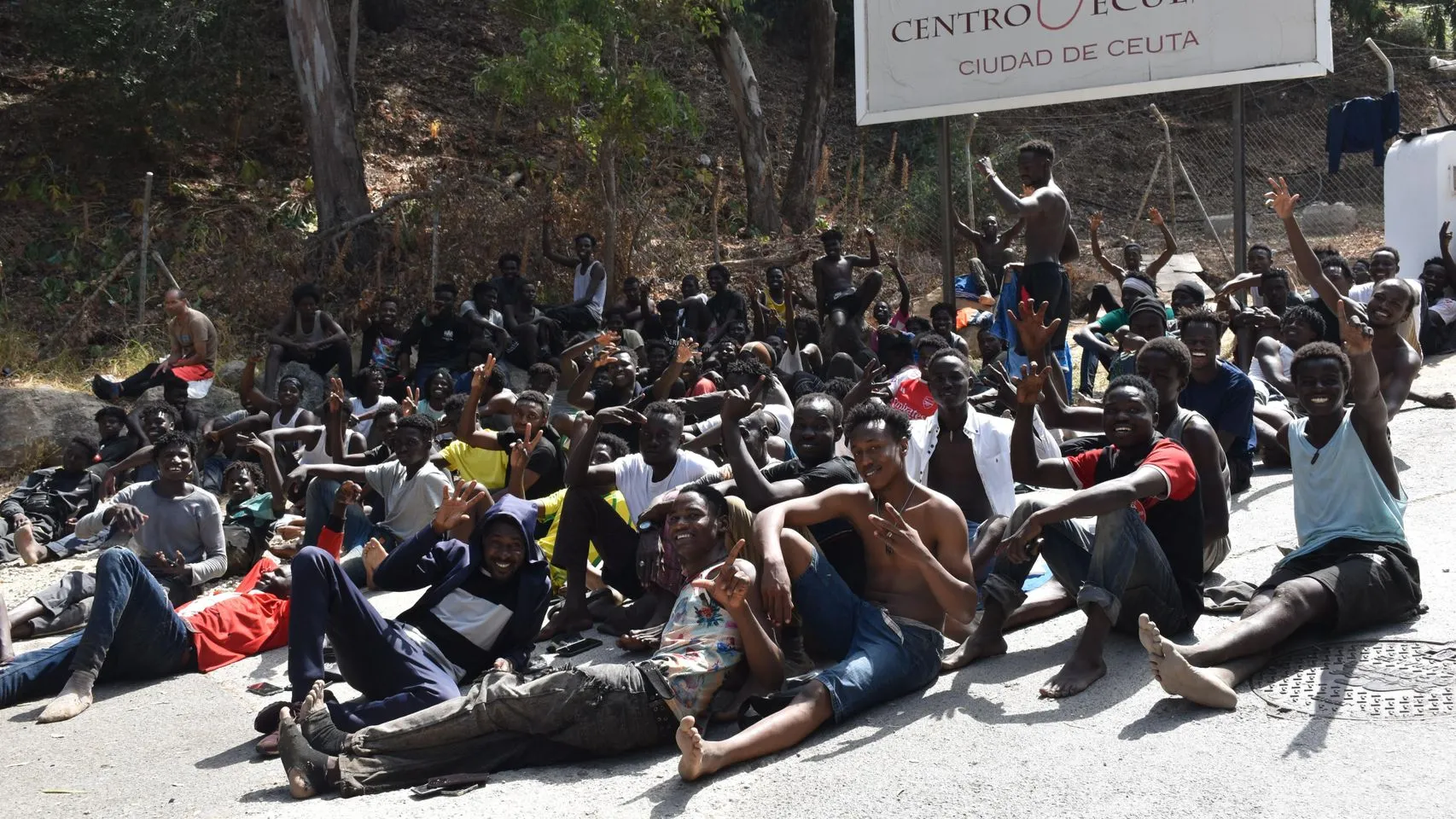
Similarly, TikTok has activated its crisis protocol concerning Ceuta. In a statement to the news agency dpa, TikTok revealed that it has mobilized a specialized task force that has proven effective in managing similar crisis situations. On July 30, more than 70,000 individuals attempted to cross the border from Morocco to Ceuta, leading to dozens of fatalities during the surge. Reports indicate that at least some of these individuals were encouraged to make the journey by viral videos circulating on social media, many of which contained misinformation. For instance, some clips falsely suggested that the usually heavily fortified border was suddenly open.
According to the Commission spokesperson, the platforms intend to voluntarily block or reduce the visibility of such misleading content in the future. They clarified that the Brussels authority is not imposing deletion mandates but rather aims to foster a responsible dialogue. The European Commission and Europol, the European policing agency, maintain daily communication with Meta and TikTok, as highlighted in Henna Virkkunen's contributions on X.
The Spanish enclaves of Ceuta and Melilla in North Africa represent the only significant land borders of the EU with the African continent. These cities consistently attract asylum seekers attempting to reach European soil.
As reported by spiegel.de.