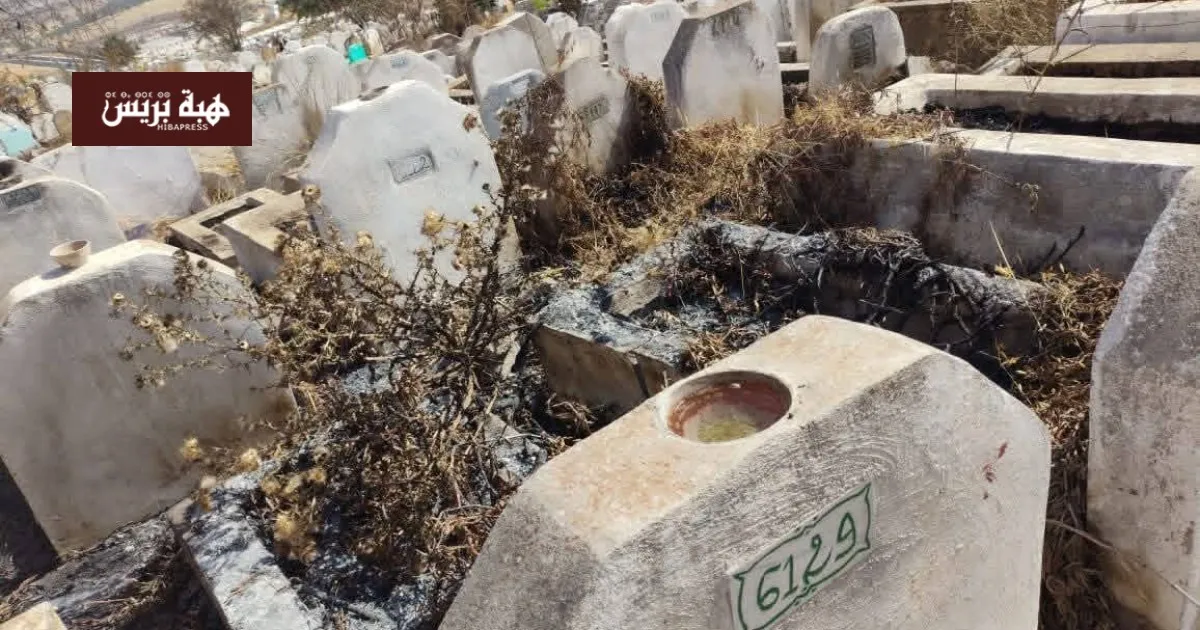

The Wislane Cemetery in the city of Fes has once again become a focal point of local discussion, primarily due to a series of questions raised by citizens regarding the management of burial operations, the fees associated with obtaining graves, and the overall maintenance and oversight of the cemetery. Reports indicate that the fees for graves can vary significantly, ranging from 400 to 1500 dirhams depending on the circumstances. However, the determination of these fees, the authority responsible for collecting them, and the organizational framework governing these practices remain under the jurisdiction of local authorities. These officials are expected to provide official clarifications to eliminate any ambiguity surrounding this matter.
These financial details raise crucial questions about whether these fees adhere to a formally established pricing structure and whether families receive receipts upon payment. Furthermore, there are inquiries about how these revenues are recorded, managed, and monitored, as well as the entity responsible for overseeing this process. Another pressing question pertains to the annual revenue derived from cemetery management and whether it is included in the municipality's budget according to existing protocols. Such information is critical and should be clarified by the relevant authorities for public understanding.
In tandem with these discussions, the state of the cemetery has sparked debates concerning cleanliness, maintenance, and oversight, especially following reports of a fire that broke out on July 31, 2026. The cause of the fire, based on available information, is still linked to the findings that will be revealed by the responsible entities regarding the conditions surrounding the incident. Citizens are also inquiring about the presence of monitoring systems at the cemetery, such as surveillance cameras, the regularity of security and maintenance operations, and the specific responsibilities assigned to various stakeholders involved in the management of this space.
In this context, elucidating the identity of the authority overseeing the cemetery, the procedures involved in acquiring graves, the official pricing, and the methods of revenue collection and recording could provide the public with a clearer picture of how this facility is managed. This issue remains open for the concerned authorities to present the necessary information and clarifications, ensuring citizens' right to access information while also respecting the sanctity of cemeteries and the dignity of the deceased. Such transparency will foster better governance and accountability.
As reported by ar.hibapress.com.