Rising Popularity of Electric Scooters in Marrakech
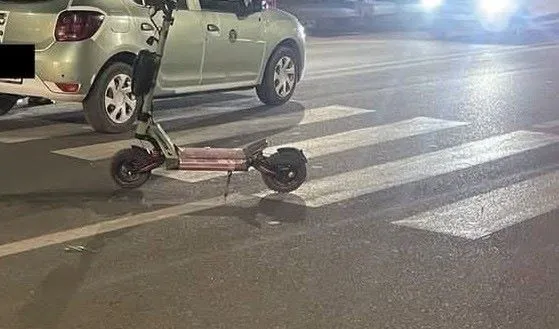
Marrakech, Morocco, has recently witnessed a significant surge in the use of light electric scooters, commonly known as 'trotinettes.' This trend, while modern and innovative, has raised alarms among local residents and civil society, particularly as some children and teenagers are seen navigating these scooters amidst heavy traffic without adhering to essential traffic regulations and safety protocols. In various key roadways and main streets, it has become increasingly common to observe minors weaving through cars, buses, and pedestrians, sometimes executing sudden maneuvers or accelerating beyond safe limits. Such actions not only put the riders at risk of collisions and falls but also heighten the level of caution required from other road users.
The core issue, as expressed by community members, does not lie in the mere presence of these scooters as a contemporary mode of transport, but rather in how they are utilized irresponsibly within urban settings. The alarming participation of children and adolescents in this phenomenon is particularly concerning, given their limited experience in managing traffic dynamics and the associated dangers. Riding electric scooters on public roads necessitates continuous attention, adherence to traffic signals, and precise estimation of distances and speeds, alongside a responsible attitude towards both pedestrians and drivers.
Calls for Improved Regulation and Safety Awareness
This situation underscores the responsibility of families to monitor how their children use these scooters, ensuring that they are not perceived merely as toys or recreational devices, especially in areas with high traffic density. The increasing prevalence of electric scooters raises broader questions regarding the adequacy of traffic monitoring and awareness initiatives in adapting to these new forms of urban mobility that have become increasingly prevalent in Moroccan cities. Local advocates argue that the goal should not be an outright ban on electric scooters but rather the establishment of organized usage regulations to ensure the safety of both riders and the general public.
Demands are growing for intensified awareness campaigns and field monitoring, particularly in areas known for heavy traffic, with a call for law enforcement to address infractions according to existing regulations without waiting for serious accidents to prompt action. Amid these rising concerns, attention is shifting toward security and traffic police to enhance surveillance across the city’s streets, identifying hazardous behaviors that could jeopardize road safety, especially those involving minors using scooters under unsafe conditions.
Moreover, local calls emphasize the need for strengthened coordination between educational institutions, families, and relevant authorities to foster a culture of road safety among children and teenagers. It is increasingly clear that mere deterrence is insufficient to address a phenomenon deeply intertwined with social and educational dimensions. Traffic accidents do not discriminate between scooter operators and those driving cars or motorcycles or pedestrians; any reckless behavior on the road can transform a simple mode of transport into a genuine threat.
As electric scooters continue to assert their presence in the urban landscape of Marrakech, there is an urgent need for a proactive approach that balances the integration of modern transportation methods with the enforcement of safety regulations. This is crucial to prevent the unregulated proliferation of scooters from evolving into a traffic and social issue that could become increasingly difficult to manage in the future. The pressing question remains: Will the authorities take action to regulate the use of electric scooters and monitor dangerous behaviors before chaotic traffic leads to tragic incidents, or will the city wait for a crisis to prompt intervention?
As reported by hibazoom.com.