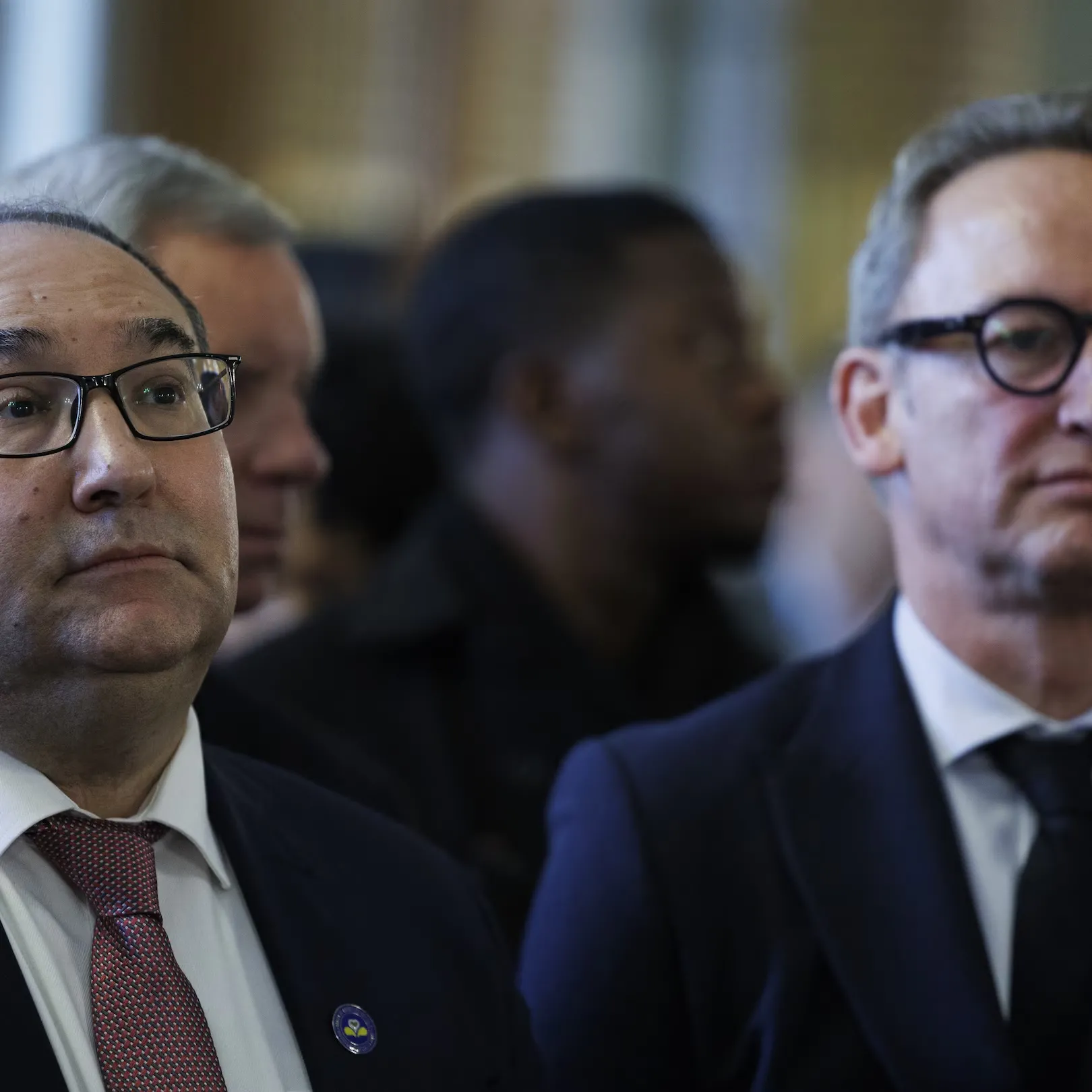

The recent appointment of Moustapha Budchich as the Brussels representative in Morocco has stirred significant concern within hub.brussels, especially in light of the agency's recent budget cuts and job reductions. This decision, made at the end of July, has been met with skepticism and discontent, particularly because it bypassed the traditional selection processes and lacked transparency. Budchich, who is currently the chief of staff for Ahmed Laaouej, the Brussels Minister for Social Action, is set to assume a role classified as A5, which corresponds to high-level administrative salaries.
Fortunately, a resolution has been reached to ensure that Budchich's salary will not burden the hub.brussels budget. Instead, it will be covered by Brussels International, the public service responsible for diplomatic and institutional relations. Despite this arrangement alleviating immediate financial concerns, it has not fully quelled the apprehensions regarding job security and resource allocation within hub.brussels. According to sources, given the substantial salary expected for this role, the agency may need to release two full-time positions in Belgium to accommodate the financial implications of this appointment.
Political Implications and Internal Frustrations
Compounding these issues is the broader context of governmental restructuring, with potential plans to partially absorb hub.brussels into the regional administration, thus transferring its international network to Brussels International. The appointment of a costly figure like Budchich is likely to heighten tensions within an already strained environment. Concerns have been voiced that if political figures can be directly inserted into foreign positions, it sets a precarious precedent for future appointments, potentially leading other departments to seek similar placements in cities like New York or Istanbul.
Moreover, the appointment raises pressing questions about the political dynamics at play. For the Socialist Party to secure Budchich's position for five years, support from majority partners, particularly from the liberal Minister-President Boris Diliès, was essential. This has prompted inquiries into what compromises were made to facilitate such a politically charged appointment. Critics have called for transparency regarding the process, especially following recent scandals that have marred public trust. Although there is no concrete evidence of a quid pro quo surrounding Budchich's appointment, it coincides with a period of extensive redistribution of political roles among the new majority, further igniting speculation about political maneuvering.
Strategic Economic Choices for Brussels
On a broader economic scale, there is a rationale behind enhancing Brussels' presence in Morocco, a country currently experiencing a significant phase of investment and growth. The World Bank forecasts a Moroccan growth rate of 4.9% in 2025, marking its highest level in a decade, driven by public investments and infrastructure development linked to the upcoming World Cup in 2030. This environment presents various opportunities for Brussels-based companies, particularly in sectors such as tourism, energy, digital innovation, and urban management.
However, this raises further questions about the necessity of appointing a close associate of Laaouej when existing economic networks and alternative candidates were available. Critics highlight the concern that this move might compel all Brussels entrepreneurs to navigate their dealings through a politically affiliated representative, potentially stifling competition and innovation. Meanwhile, hub.brussels indicates that the themes for the upcoming economic mission have yet to be fully defined, although potential areas of focus include sustainable construction, energy transition, digitalization, health, and logistics. These sectors are seen as beneficial for the Brussels region and its businesses, which have already engaged in missions in Morocco targeting construction, health, and digital sectors.
As reported by dhnet.be.