Public Outcry Over Renovation Efforts in Jemaa el-Fna
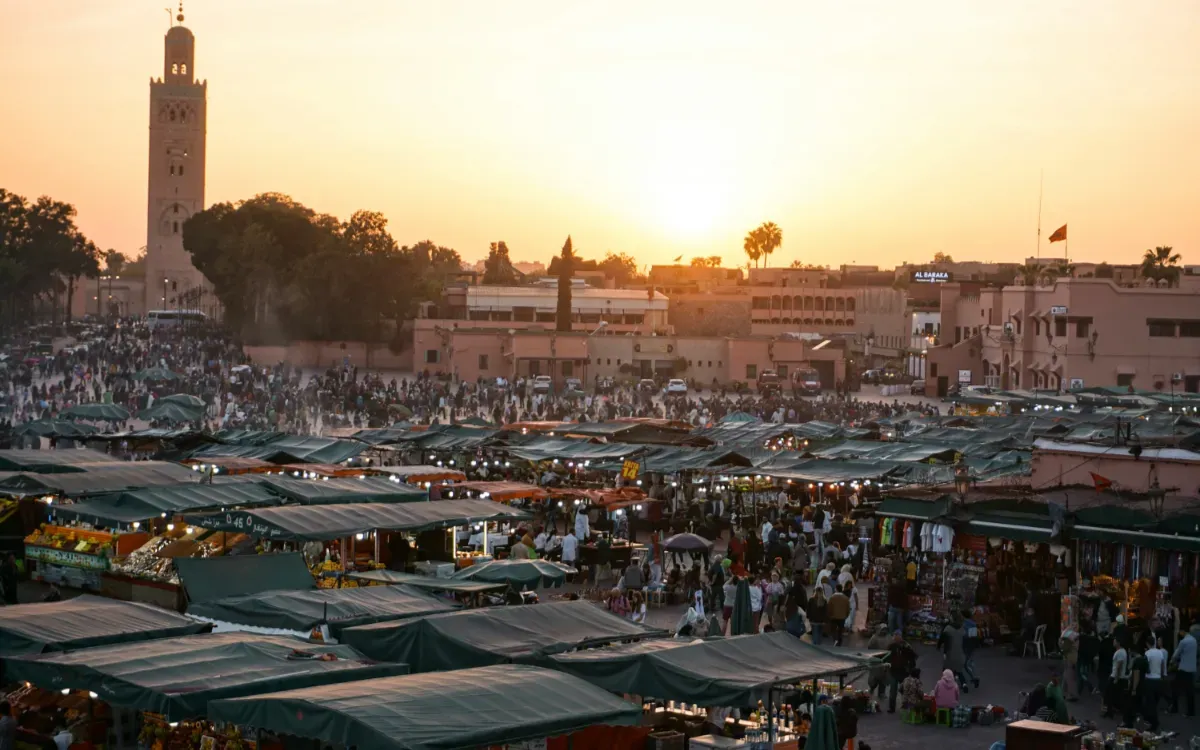
The recent renovation of the renowned Jemaa el-Fna square in Marrakech has sparked significant outrage among locals and visitors alike. With an investment totaling 160 million dirhams, many believe that the aesthetic choices made during the renovation are incompatible with the site's status as a UNESCO World Heritage Site. The conclusion of the rehabilitation efforts has ignited a wave of indignation across social media platforms, where both Marrakchi citizens and heritage advocates have expressed their discontent with the new appearance of this iconic location. For a substantial portion of the public, the results of these renovations fail to align with the prestige typically associated with such a globally recognized cultural and tourist destination.
Critics have voiced particular concern over the new surface materials used in the square's redesign, labeling them as dull and aesthetically unpleasing. Many argue that these choices disrupt the unique identity of a space that regularly hosts vibrant traditional performances and food stalls. Additionally, the new urban furniture—including chairs, umbrellas, and shop fronts—has faced scrutiny for its lack of visual coherence and overall randomness. Observers lament that the recent urban interventions, which were intended to enhance infrastructure and public services, have strayed from the architectural rigor necessary for a site designated as intangible cultural heritage by UNESCO.
Efforts to Modernize While Preserving Cultural Heritage
Despite the ongoing criticism, the local authorities in Marrakech remain committed to the rehabilitation and modernization of Jemaa el-Fna, a site that symbolizes cultural significance and is integral to humanity's shared heritage as recognized by UNESCO. Plans are in place to introduce new food and juice carts to better organize the commercial space and enhance the overall appeal of this vital tourist destination. The Al Omrane Marrakech-Safi group, acting on behalf of the urban municipality, is spearheading these efforts, which are part of a broader initiative aimed at improving infrastructure and services within the city.
As construction is set to commence in the coming days, with an estimated cost of 100 million dirhams and a projected duration of seven months, the hope is that any changes made will respect the historical significance and original function of the square. Merchants in the area have expressed their expectations for the redevelopment project, viewing it as a critical component of ongoing improvements in both infrastructure and services in the city. However, the challenge remains to strike a balance between modernization and the preservation of the cultural essence that makes Jemaa el-Fna a treasured landmark.
As reported by bladi.net.