
In one of his most memorable quotes, Diego Maradona famously stated that the ball does not get stained. While he referred to football's ability to allow fans, driven by passion, to forget the turbulent stories surrounding its players, this idea is equally relevant in the organizational realm. The ‘ball’ can also obscure the realities of those who are behind the scenes of such grand events.
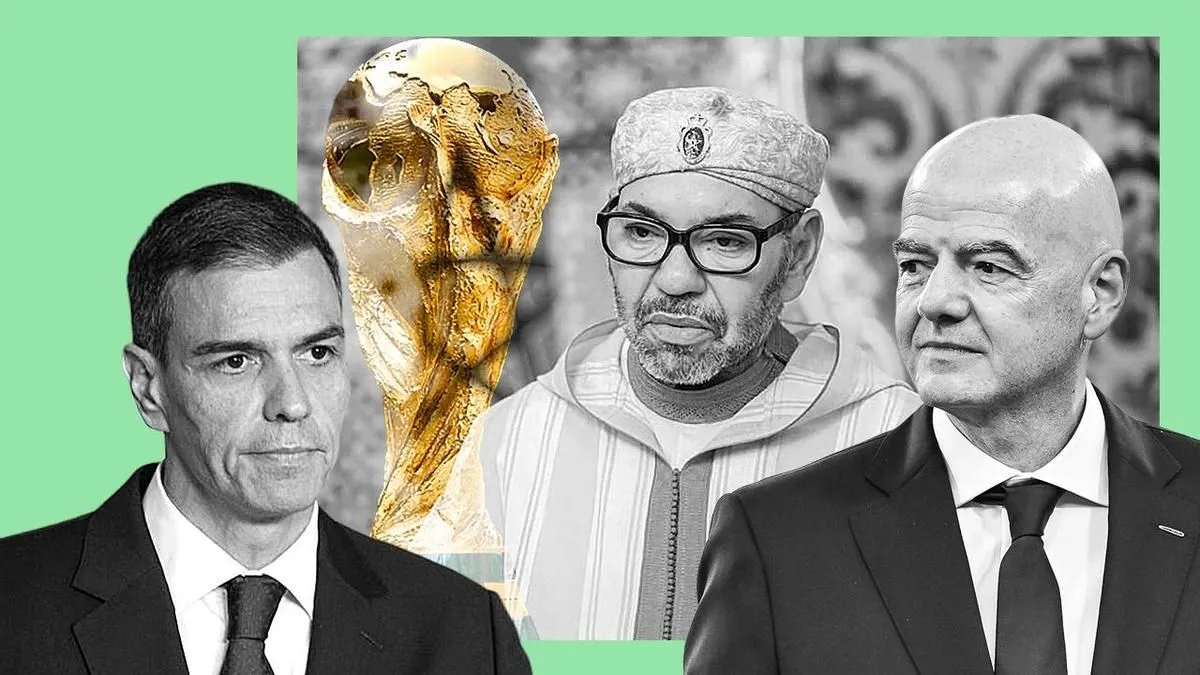
Hosting a World Cup or the Olympic Games brings with it an exuberant joy that can sometimes border on irrationality. A prime example was Brazil, which spent over €11 billion—twice its initial budget—to host the World Cup, despite protests from citizens advocating for prioritization of domestic issues. Similarly, the systematic human rights violations during the 2018 World Cup in Russia went largely unnoticed, as did the tragic loss of over 6,500 migrant lives in Qatar during preparations for the 2022 World Cup. As we approach the 2026 World Cup, the involvement of the United States as a host has reached such an extent that a player’s suspension was lifted following a call from then-President Donald Trump to FIFA President Gianni Infantino. The upcoming 2030 World Cup, co-hosted by Spain, Portugal, and Morocco (with matches in Uruguay, Paraguay, and Argentina), seemed to lack detractors—until now.
The recent migration crisis in Ceuta, which has resulted in the tragic deaths of at least 141 young migrants attempting to cross into Spain, has sparked critical voices regarding the 2030 World Cup. This outcry has emerged from various political parties across Spain and Portugal, with critics arguing that both countries should reconsider their collaboration with Morocco in organizing such an event. Nahuel González, a member of the United Left (IU) in Spain, emphasized the need for a reevaluation of Morocco's role. He stated, "We cannot be comfortable with the model of the 2030 World Cup. The participation of Morocco must be reconsidered, and the Spanish Football Federation and the Higher Sports Council should raise their voices. We should host the World Cup with fraternal countries that uphold peace, not with those that violate human rights. We stand with the Moroccan and Sahrawi people." This sentiment reflects a growing concern that the ongoing human rights violations in Morocco could tarnish the integrity of the tournament.
In a political landscape where the discussion is gaining traction, the Portuguese left-wing party Livre responded by addressing Prime Minister Luís Montenegro directly, calling for Morocco to be excluded from the World Cup organization. They argue that the current situation underscores the necessity of rejecting collaboration with a country that undermines European project values and the territorial integrity of Spain. Their stance is clear: “The wrongdoer should not benefit, and neither Portugal nor Spain should be adversely affected in the World Cup organization.”
Despite the varying perspectives, there is a surprising unity in the call for Morocco's exclusion from the organization of the World Cup, even from the far-right Vox party, which has submitted its own proposal to the government on this matter. They echo the sentiment that organizing the World Cup alongside Morocco, given its human rights record, would be a humiliation for Spain. The debate is expected to continue, with many stakeholders realizing the coherence in the proposal that not everything is acceptable in football.
When asked for their stance, the Spanish Football Federation (RFEF) declined to comment, as did FIFA and the Moroccan embassy in Spain. The Spanish Ministry of Education, Vocational Training, and Sports has reiterated its commitment to the World Cup, emphasizing the need to separate the sporting event from the ongoing crisis in Ceuta. Meanwhile, Livre has yet to receive a response from the Portuguese Prime Minister but has pledged to continue pressing the issue through parliamentary initiatives.
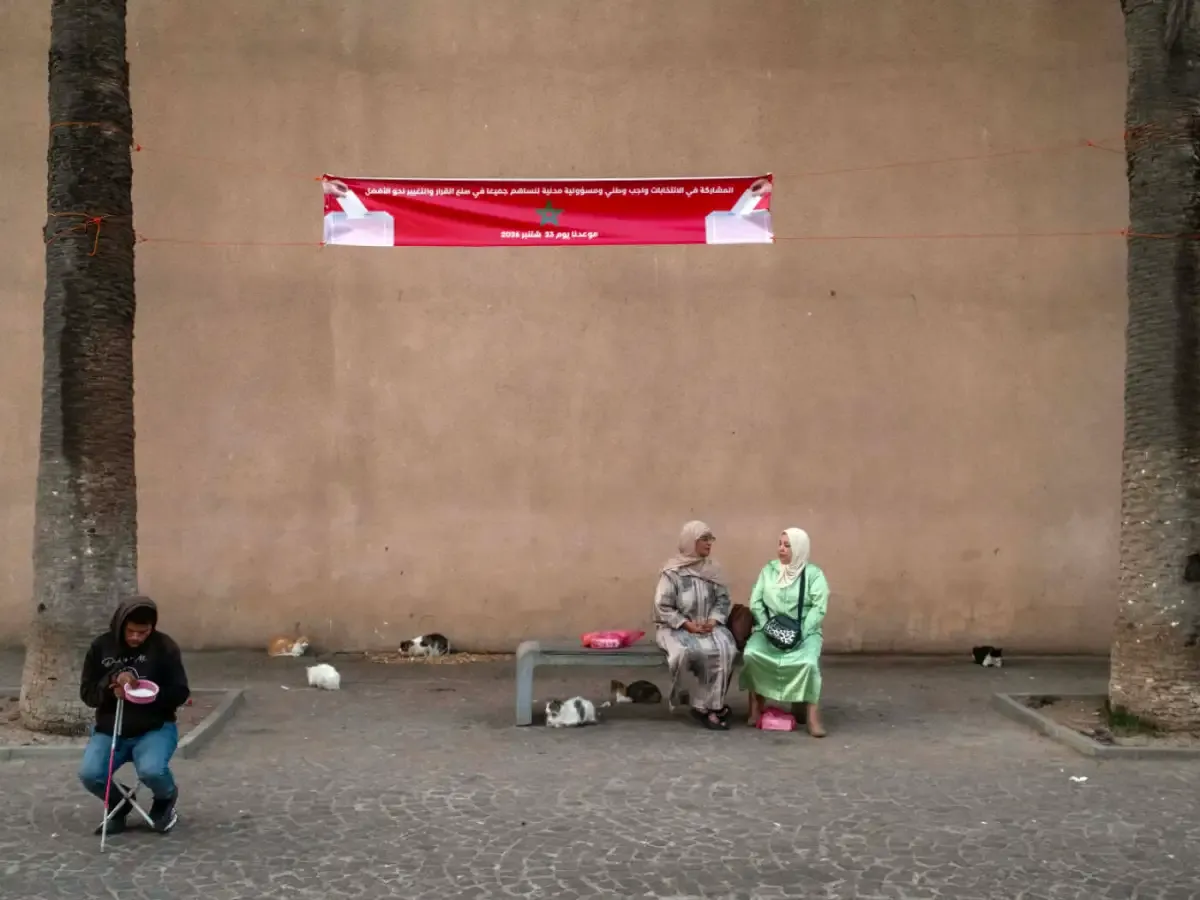
Ali Lmrabet, a Moroccan journalist and activist, highlighted the repercussions of the migration crisis, attributing the situation to the lack of future prospects in Morocco for its youth. He emphasized that for Morocco, hosting the World Cup is a matter of prestige, a way to showcase progress to the world. However, many Moroccan youths have expressed that their priorities lie in seeking social security, improved economic conditions, freedom of expression, and a brighter future instead of hosting a World Cup.
The concerns surrounding the 2030 World Cup will likely persist as stakeholders navigate the complex intersection of sports, politics, and human rights. The anticipation surrounding the tournament raises the question of whether the ‘ball’ will eventually become stained, reminding us all that the true spirit of football should not overshadow pressing moral obligations.
As reported by eldiario.es.