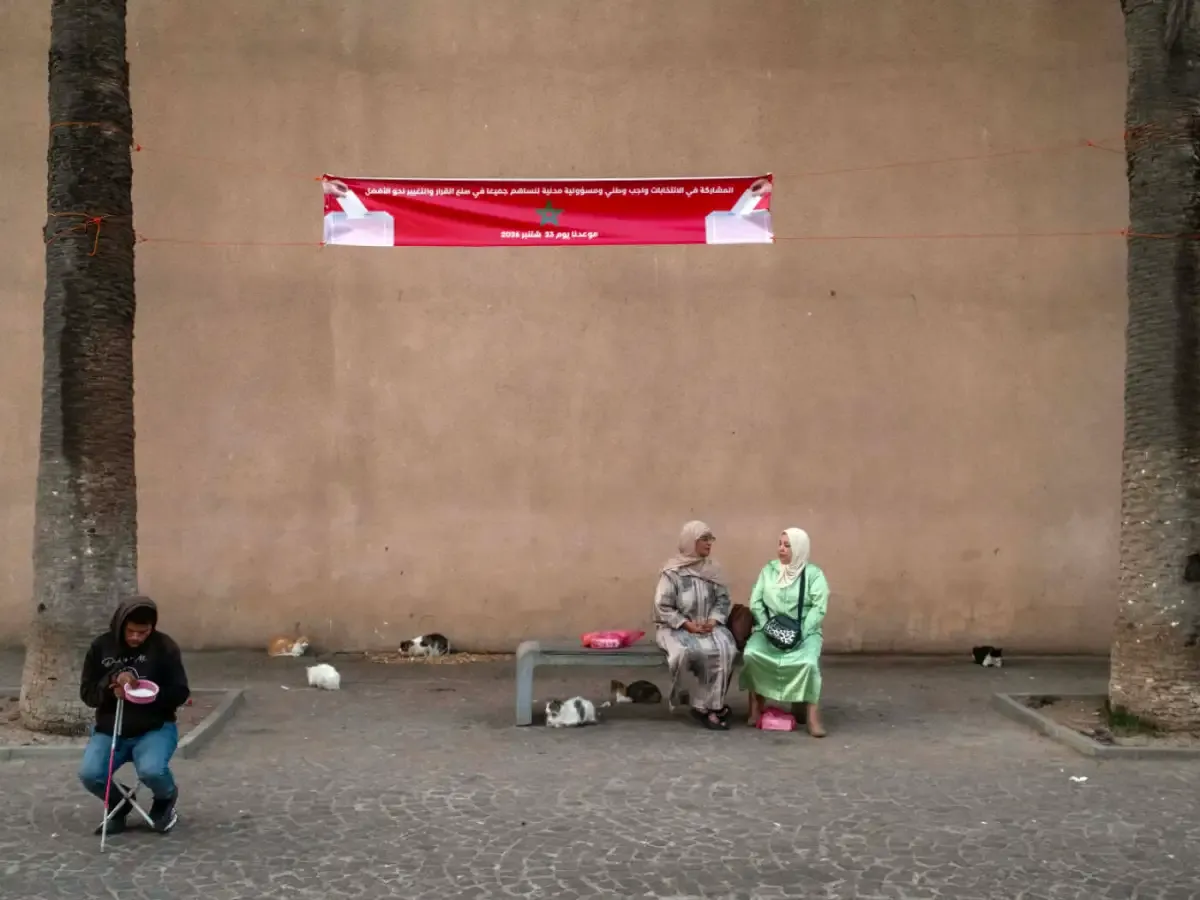

The Moroccan Parliament, while possessing the authority to enact laws, predominantly operates under the significant influence of King Mohammed VI and his inner circle. The recent election campaign has been characterized by a notable lack of visibility compared to previous electoral events, leading to a reported decline in public interest regarding the candidates. Observations from various polling stations in the capital, Rabat, indicated minimal turnout just one hour after voting commenced, as noted by a reporter from the DPA news agency. Analysts predict a low voter participation rate, with preliminary results expected to be released on Thursday.
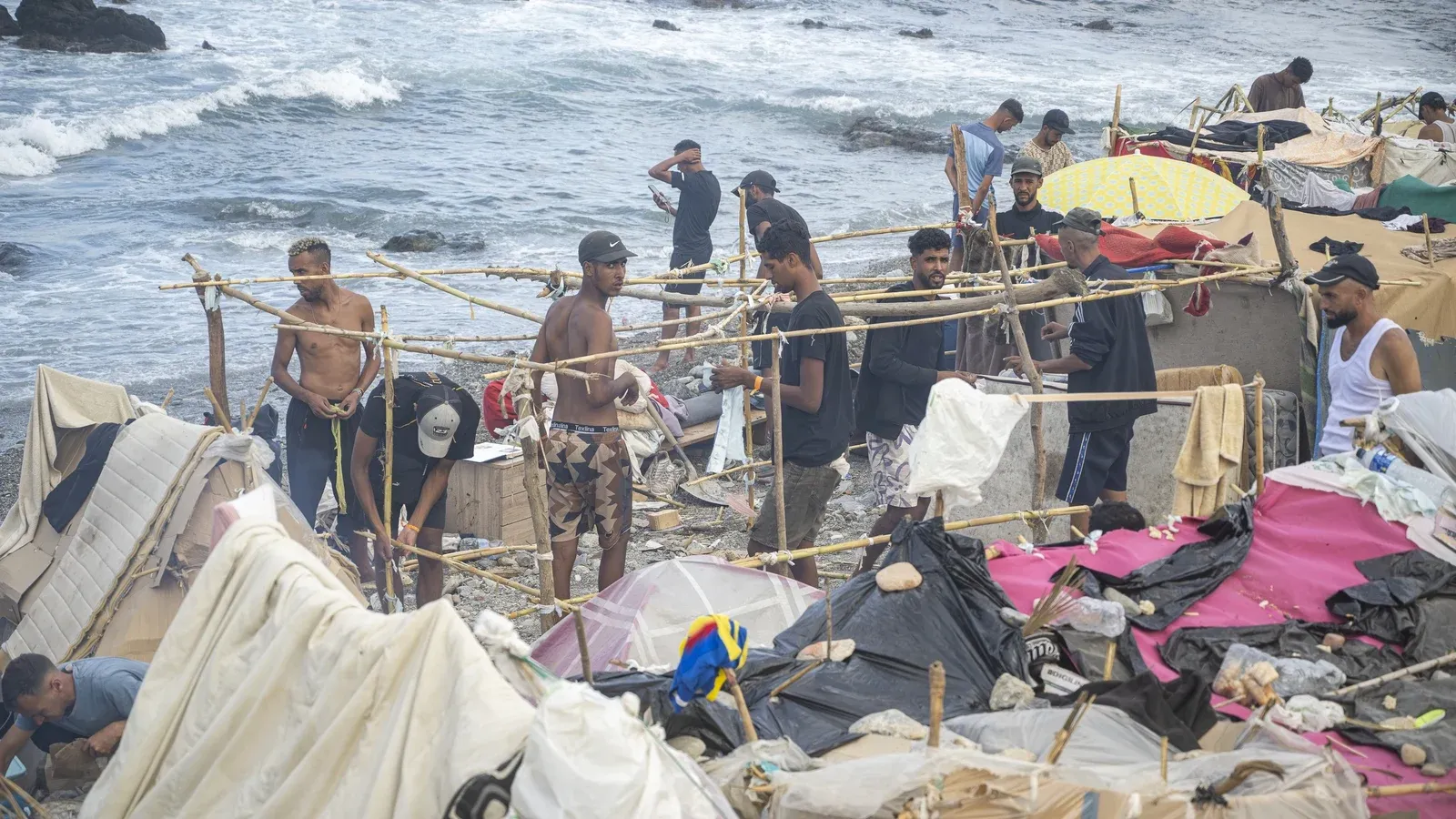
This election serves as a crucial test for the ruling parties, with the three members of the incumbent coalition competing against one another. Key issues dominating the electoral discourse include job creation, economic development, and vital sectors such as education and healthcare. The alarming rate of youth unemployment has been a significant source of dissatisfaction among the populace in this North African nation.
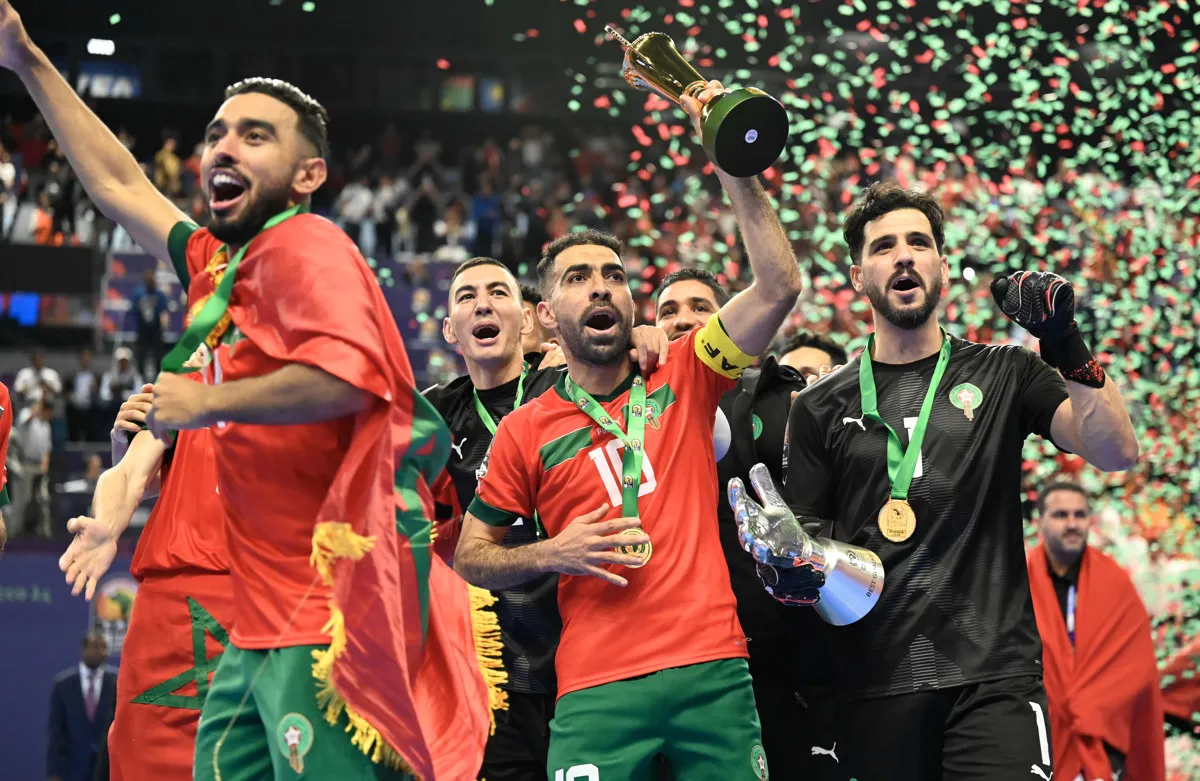
Moreover, these elections are set against the backdrop of Morocco's preparations for the 2030 FIFA World Cup, leading political commentators and media outlets to refer to the incoming government as the "World Cup Government." This designation reflects the administration's role in facilitating various projects related to infrastructure, transportation, and airport development, as well as enhancing tourism, investments, and regional development in anticipation of the tournament. Morocco will co-host the World Cup alongside Spain and Portugal.
As reported by swissinfo.ch.