
Moroccan Border Control Lapses Lead to Migrant Crisis in Ceuta
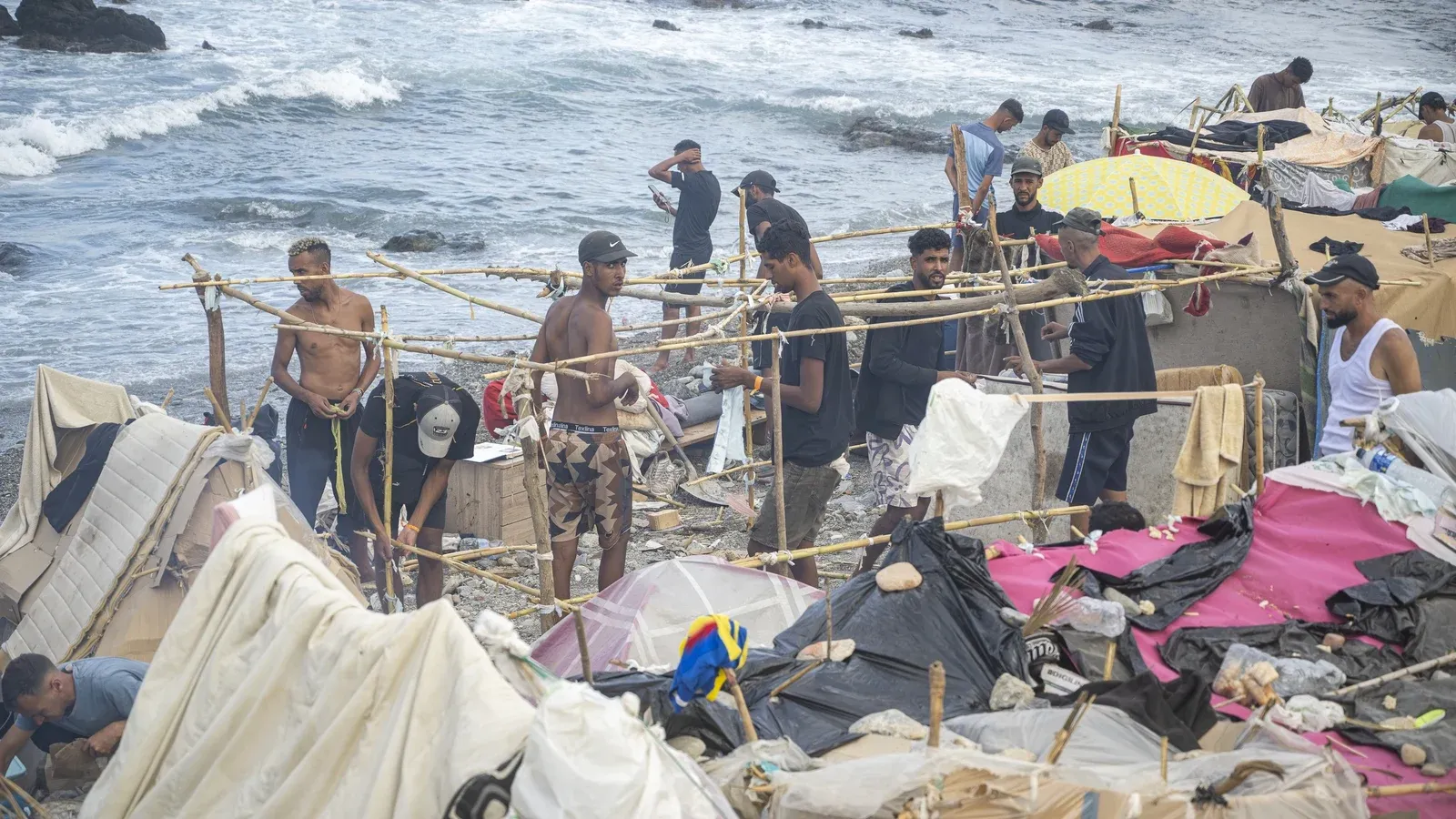
Spain's Prime Minister, Pedro Sanchez, has publicly criticized the Moroccan authorities for their inadequate border control, which he claims contributed to a significant migrant crisis in the Spanish enclave of Ceuta. This incident, which occurred on July 30th and 31st, saw an unprecedented influx of over 70,000 migrants into the territory, leading to a chaotic and dangerous situation. While many migrants returned to Morocco shortly after their arrival, several thousand remained in Ceuta, escalating local tensions and sparking frequent protests from residents frustrated with the deteriorating conditions.
In a candid interview with CNN in New York, Sanchez stated, "We are investigating what happened during those days back in July, but we have also asked Morocco for actions and answers, as it is evident that their border control failed." In his remarks to the Spanish parliament on September 3rd, he emphasized the necessity for Morocco to provide explanations and implement changes to prevent a repeat of such an incident, although he clarified that there was no definitive evidence suggesting that Morocco intentionally orchestrated the migrant surge.
A police report obtained by AFP highlighted that Moroccan law enforcement officials present at the border during this crisis were significantly outnumbered and did not make serious efforts to manage the overwhelming number of migrants attempting to cross the border. This assessment was supported by satellite imagery, open-source videos, and testimonies from those who attempted the crossing.
In the aftermath of the crisis, the Spanish government has initiated procedures to identify the thousands of migrants still in Ceuta, assessing their eligibility for asylum. Notably, unaccompanied minors cannot be expelled without thorough consideration of their circumstances, complicating the overall response to this humanitarian challenge.
As reported by rte.ie.