
Morocco's Legislative Elections and Youth Engagement
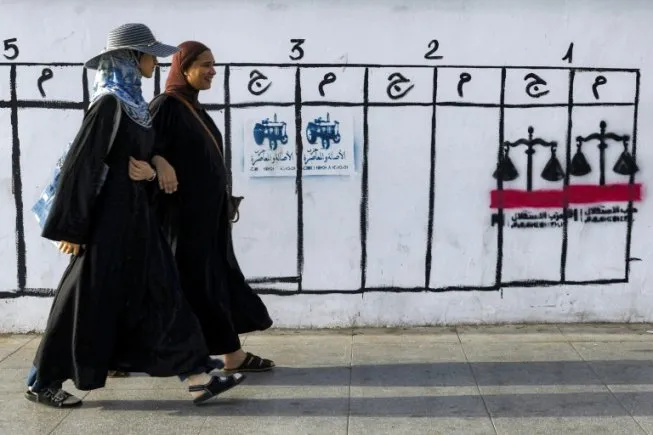
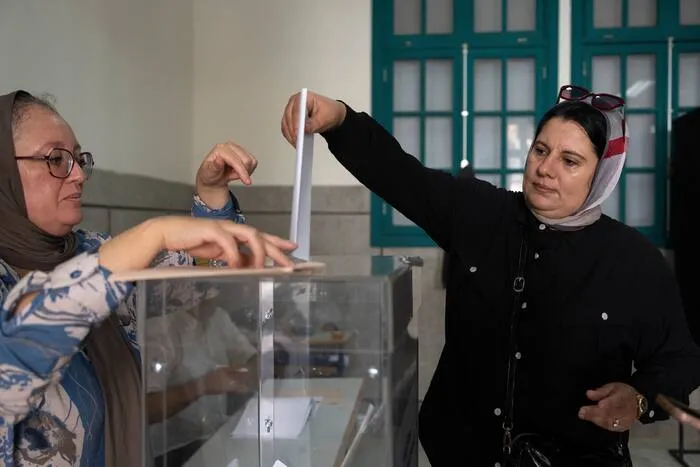
On September 23, 2026, Morocco held significant legislative elections that have garnered attention amid rising frustrations among its youth population. These elections come at a critical juncture, following a year marked by youth-led protests addressing issues such as high unemployment rates, despite the nation experiencing economic growth. Young voters are particularly vocal about their demands for improved education, healthcare, and housing, reflecting a broader desire for change in governance. With nearly 16 million registered voters eligible to participate, polling stations across the country opened their doors from 8 a.m. to 7 p.m. local time, offering citizens a chance to influence the future of their government.
This election is notable not only for the pressing issues at hand but also as the first since deadly protests erupted nearly a year prior, alongside a tragic migration surge where many attempted to cross into the Spanish territory of Ceuta. The outcome of this election will determine the next prime minister and the political landscape of the 395-seat House of Representatives, which operates under a powerful monarchy that retains significant authority over strategic matters. The election results are expected to be released shortly after the polls close, potentially shaping Morocco's political dynamics for years to come.
Challenges and Expectations for the New Government
The newly elected government will be tasked with overseeing substantial investments as Morocco prepares to co-host the 2030 FIFA World Cup, with some referring to this administration as the "World Cup government." Yet, alongside these grand projects, there is a pressing need to address everyday concerns such as job creation, wage increases, and the rising cost of living. Many young Moroccans express skepticism about the impact of political participation on their daily lives, leading some to consider abstaining from voting or even emigration as a viable option. The election features a diverse pool of candidates, with over 7,288 individuals from 27 political parties vying for a seat, although a decline in registered voters by nearly 10% since the last election raises concerns about voter turnout.
The Moroccan Constitution stipulates that the king appoints the head of government from the party that secures the most seats, necessitating coalition-building among parties, as no single group is anticipated to achieve an outright majority. Amidst this backdrop, some political factions, including the far-left Democratic Path party, have called for a boycott of the elections, citing a lack of fundamental democratic conditions. Additionally, the Islamist association Al-Adl Wal Ihsane, although banned, has echoed similar sentiments regarding the integrity of the electoral process. As voters head to the polls, they must navigate a complex political landscape, one that may determine the future direction of the nation in a time of both opportunity and challenge.
As reported by wsls.com.