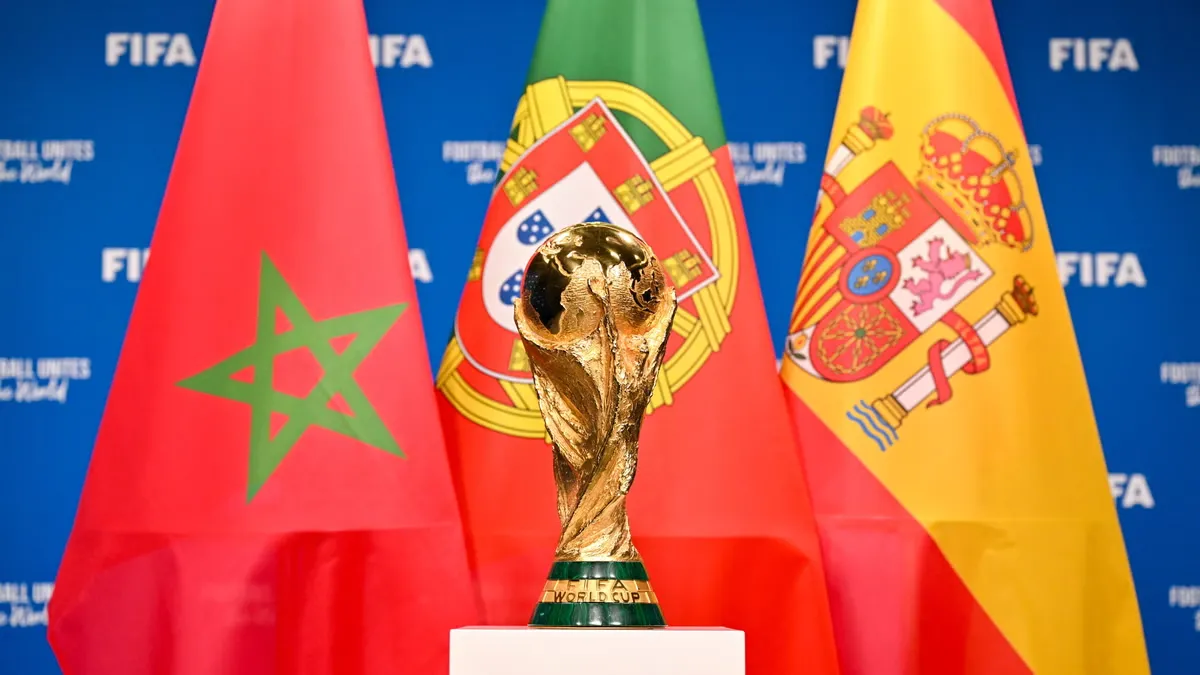

In recent hours, the 2030 FIFA World Cup has become the focal point of discussions in the football world. According to a report by the British media outlet 'The Times' on Wednesday, FIFA President Gianni Infantino allegedly offered the World Cup final to Morocco, sidelining the robust candidacy of Spain’s Santiago Bernabéu Stadium. Shortly thereafter, FIFA was compelled to issue a denial of this information; however, the damage was already done. The football community was abuzz with speculation, with many fans believing that this decision was part of Infantino's strategy to garner votes for his re-election in March.
The upcoming World Cup will once again be co-hosted by multiple countries, similar to the arrangements made for the 2026 tournament. Initially, only Spain and Portugal were set to lead the hosting bid, but this concept underwent significant changes. The groundwork for Morocco’s involvement in the 2030 World Cup began back in 2018 when Spanish Prime Minister Pedro Sánchez, alongside Luis Rubiales, then president of the Royal Spanish Football Federation (RFEF), met with Infantino at the Moncloa Palace. The aim of this meeting was to propose that Spain organize another World Cup, just as it did in 1982.
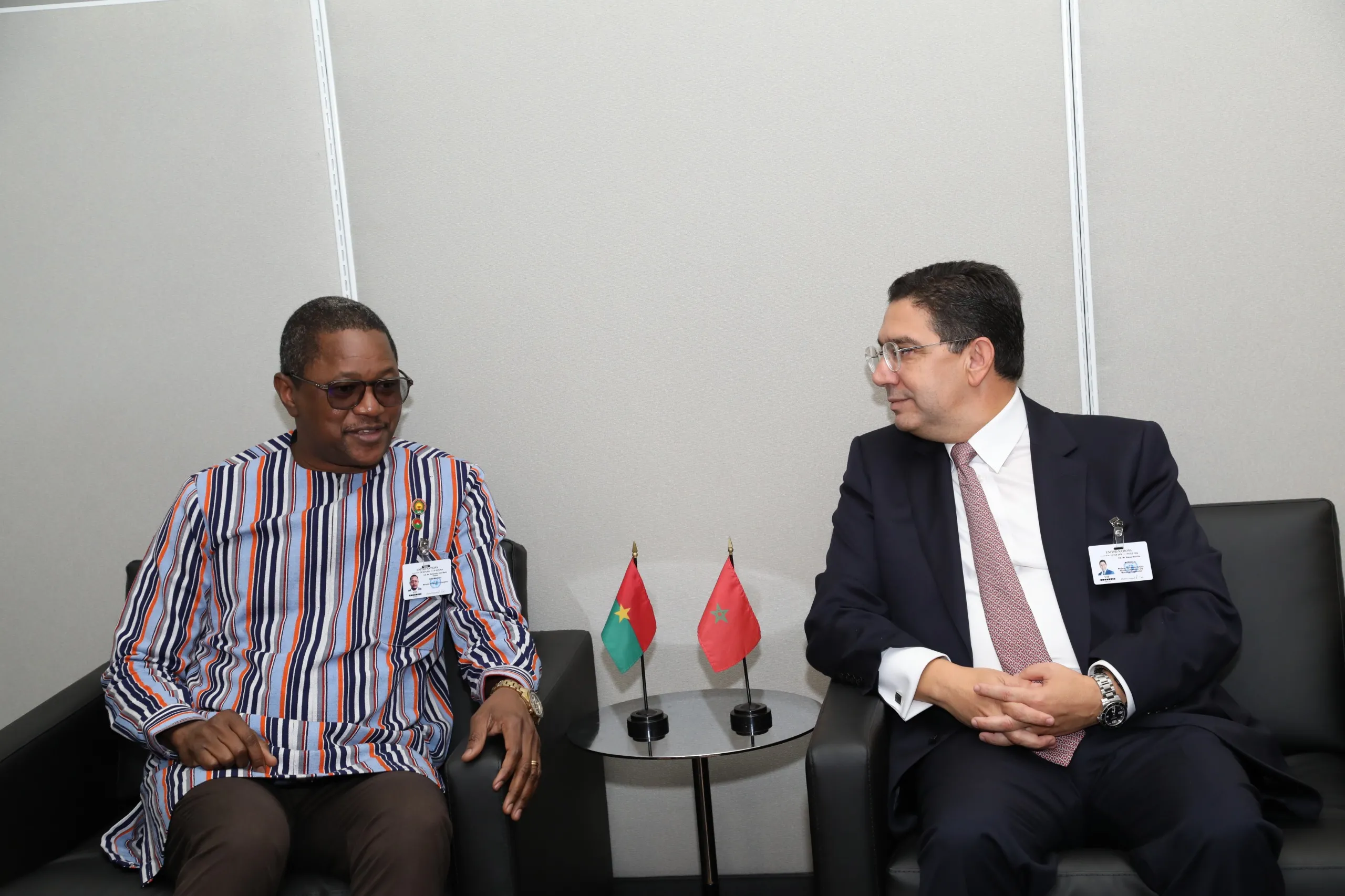
Initially, Spain intended to present a solo bid. However, considering the 2026 World Cup would have three host nations, the Spanish government decided that it would be more advantageous to join forces with Portugal, thus forming an 'Iberian alliance.' Yet, towards the end of that year during an official visit to Rabat, Sánchez met with King Mohammed VI and publicly announced a joint candidacy between Spain, Portugal, and Morocco for the 2030 World Cup. He expressed the goal of building a collaborative bid across two continents—Europe and Africa—emphasizing unity, bridge-building, and cooperation.
Although this collaborative effort with Morocco faded away within a year, it was later rejuvenated when Ukraine was included in the bid due to the onset of the war with Russia. However, the saga did not end there. In 2023, King Mohammed VI officially declared that Morocco, alongside Spain and Portugal, would present a bid to host the 2030 World Cup, a fact that was quickly validated by the RFEF.
Political Tensions and Calls for Exclusion of Morocco
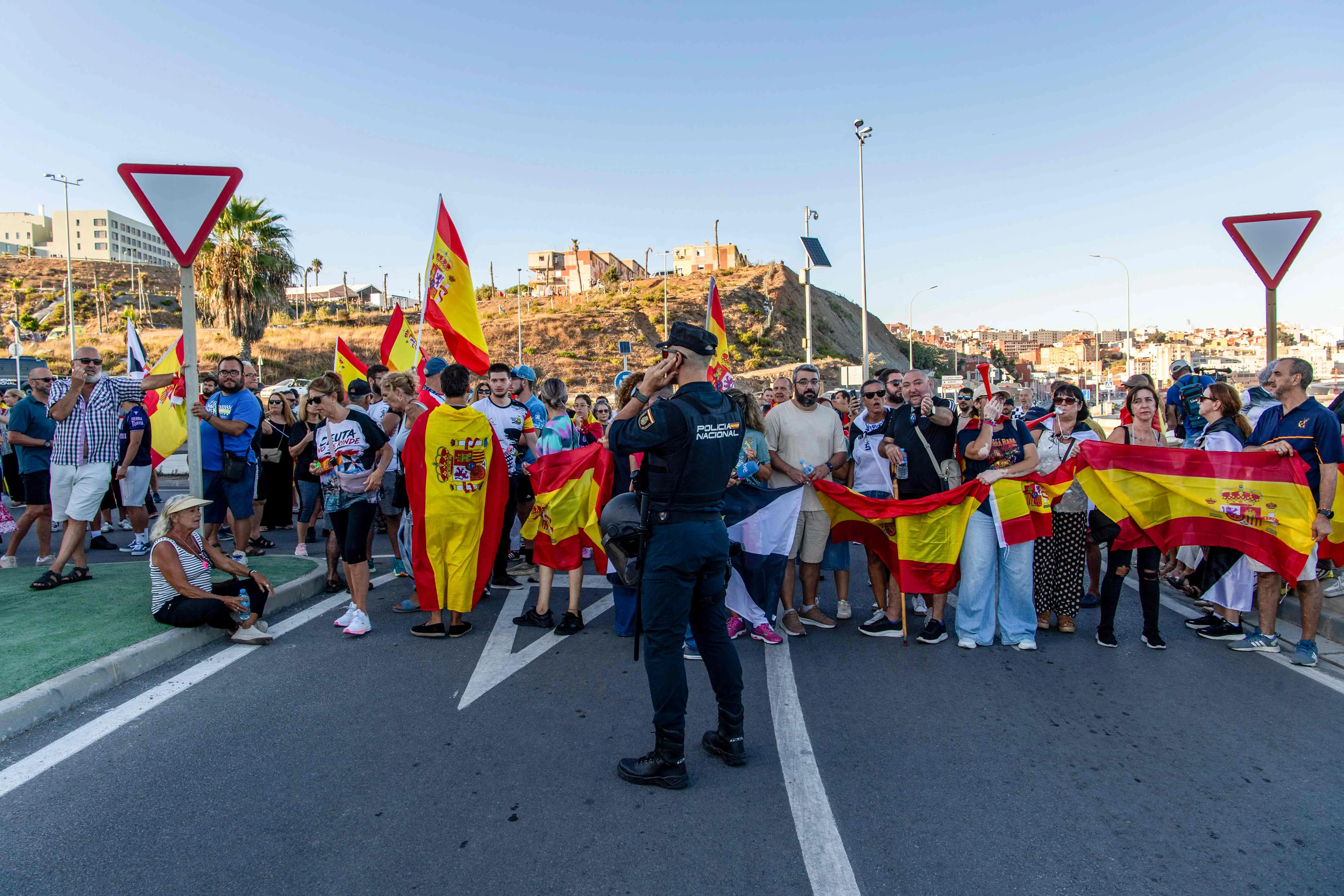
Following the turmoil surrounding the tournament and the ongoing immigration crisis in Ceuta, the Spanish political parties Vox, Podemos, and Sumar have demanded a review of Morocco's participation in organizing the World Cup. This request comes in light of what they describe as “extraordinarily grave and hostile attacks on national sovereignty and territorial integrity” in Ceuta. Consequently, both parties have introduced a non-binding proposal in Congress for Spain to withdraw from the joint organization of the 2030 World Cup with Morocco. The party led by Santiago Abascal stated that “an event of this magnitude requires host nations to provide full guarantees of security and stability, along with maintaining a relationship built on trust, cooperation, and mutual loyalty.”
Defending Spain's Bid for the Final
In light of these developments, Minister of Education, Vocational Training, and Sports, Milagros Tolón, has publicly defended Spain's position to host the World Cup final in an interview on _Radioestadio Noche_. She stated, “We will continue working towards organizing the World Cup and as a government, we are committed to ensuring that the final takes place in Spain.” According to the minister, there are multiple reasons why the final should be held in Spain: “Firstly, we are champions of both the men’s and women’s World Cups. Additionally, Spain, along with Portugal, initiated the candidacy for the 2030 World Cup, with Morocco later joining, and we have numerous advantages and strengths as a nation.”
As reported by ondacero.es.