
Controversy Over the African Cup Final: A Call for Justice
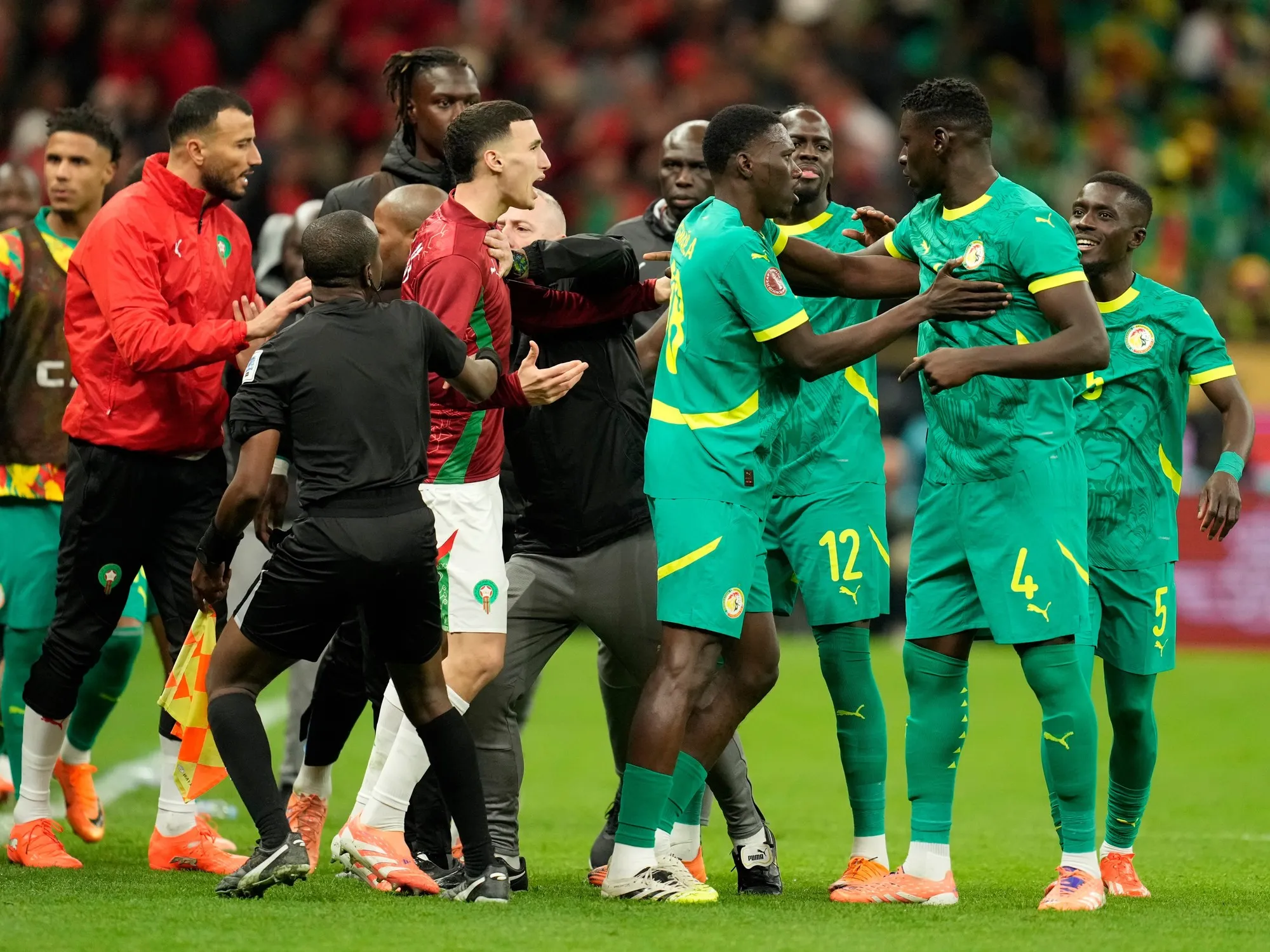
The recent African Cup of Nations final has sparked intense controversy, with the decision now resting with the Court of Arbitration for Sport (TAS). The match held on January 18, saw Senegal face Morocco in Rabat, culminating in a dramatic finish that has left fans and analysts questioning the legitimacy of the outcome. Initially, Senegal was declared the winner after a close match which ended 1-0, thanks to a goal from Pape Gueye. However, the game was marred by a contentious penalty awarded to Morocco during stoppage time, a decision that led to Senegalese players temporarily abandoning the pitch in protest. This protest delayed the game for approximately 14 minutes, raising questions about sportsmanship and regulations.
After the match, Senegal celebrated their victory with a grand reception in Dakar on January 20. Yet, the narrative took a sharp turn on March 17, when the Confederation of African Football (CAF) reviewed the match and declared Morocco the rightful champions, changing the official result to 3-0 in favor of Morocco due to Senegal's abandonment of the field. This ruling has ignited a firestorm of debate regarding the fairness of the decision, as Senegal subsequently appealed to the TAS on March 25, seeking to reclaim their title. A hearing was held on October 8 in Lausanne, Switzerland, and a verdict is expected to be announced between October 18 and 22.
Expert Opinions and Regulations
Hugo Broos, a prominent figure in African football and former coach of the Cameroon national team, has weighed in on the situation, asserting that Senegal's exit from the field effectively ended their claim to victory. He remarked, "The CAF shows inconsistency in its decisions. It's painful for Senegal to lose that Cup, but there are rules in place. If you leave the pitch, it’s considered a forfeit." His comments reflect the broader sentiment that regardless of the emotional impact, the rules must be upheld to maintain integrity within the sport.
As the football world awaits the TAS's decision, the implications of this case extend beyond just the title; they touch on issues of governance, adherence to regulations, and the role of sportsmanship in competitive play. This ongoing saga illustrates the complexities of sports administration in Africa and the challenges faced by governing bodies in making fair and timely decisions.
As reported by clarin.com.