
Mass Influx of Migrants Strains Ceuta
In a staggering development, approximately 60,000 migrants have surged into Ceuta from Morocco within the last 24 hours, a figure that shockingly represents about 70% of the city's typical population. This unprecedented influx has resulted in tragic consequences, with at least 41 migrants losing their lives during the perilous crossing, as confirmed by local officials. Juan Jesús Vivas, the president of Ceuta, expressed grave concerns, labeling the current situation as "absolutely unsustainable." In response to this humanitarian crisis, Spanish Prime Minister Pedro Sánchez visited Ceuta, denouncing the border breach as a serious violation of Spain’s territorial integrity and attributing the crisis to the actions of unscrupulous human smugglers.
Sánchez highlighted the deceptive tactics employed by smugglers, who he claims exploit vulnerable youths, often leading them to fatal outcomes, whether in treacherous waters or at the borders of Ceuta. Following Vivas' alarming statements, Spain's interior ministry released its own estimates, suggesting that around 50,000 individuals had crossed the border since Thursday, with half already returning to Morocco. This prompted the ministry to share footage depicting migrants walking back through a designated border entry point, emphasizing the chaotic nature of the situation.
Humanitarian Crisis and International Reactions
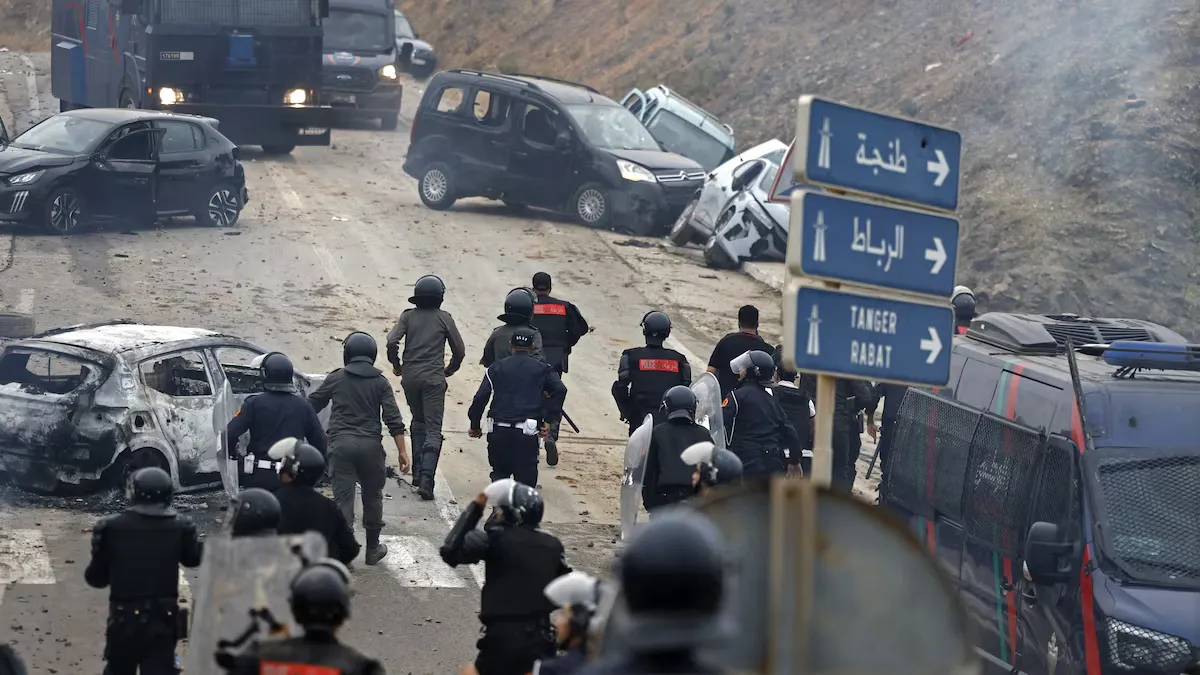
The border crisis escalated into clashes between security forces and migrants on the Moroccan side, as video footage captured Moroccan authorities using tear gas to disperse large groups of individuals who had gathered in the hills overlooking Ceuta. Rachid Sbihi, a leader of a local workers association for Civil Guard officers, described the unfolding events as a “serious humanitarian crisis.” Thousands of migrants, including unaccompanied minors, were left to sleep in public spaces, while many wandered the streets in confusion and despair. The chaos is compounded by reports that some migrants died from drowning, while others were tragically crushed in a stampede at Tarajal beach, a popular crossing point. The harrowing scenes were further aggravated by the presence of personal belongings scattered in the waters near the border fence, symbolizing the desperation of those seeking a better life.
In light of these events, European Commission President Ursula von der Leyen condemned the situation, stating that the visuals emerging from Ceuta were unacceptable. She emphasized the urgent need to halt dangerous crossings, dismantle smuggling networks, and ensure that returns are expedient, affirming the importance of adhering to the Union's immigration regulations. The Moroccan Interior Ministry has yet to respond to the Spanish authorities' figures regarding the migrant influx, leaving many questions unanswered about the motivations behind this mass movement.
As the situation continues to unfold, it raises significant concerns about the implications for regional stability and the humanitarian responsibilities of both Spain and Morocco. The events in Ceuta reflect a broader challenge faced by European nations grappling with migration issues, underlining the need for comprehensive strategies to address the root causes of such desperate movements. The crisis not only affects those directly involved but also reverberates throughout Europe, compelling leaders to reassess their immigration policies and collaborative efforts in managing such unprecedented challenges. As reported by theglobeandmail.com.