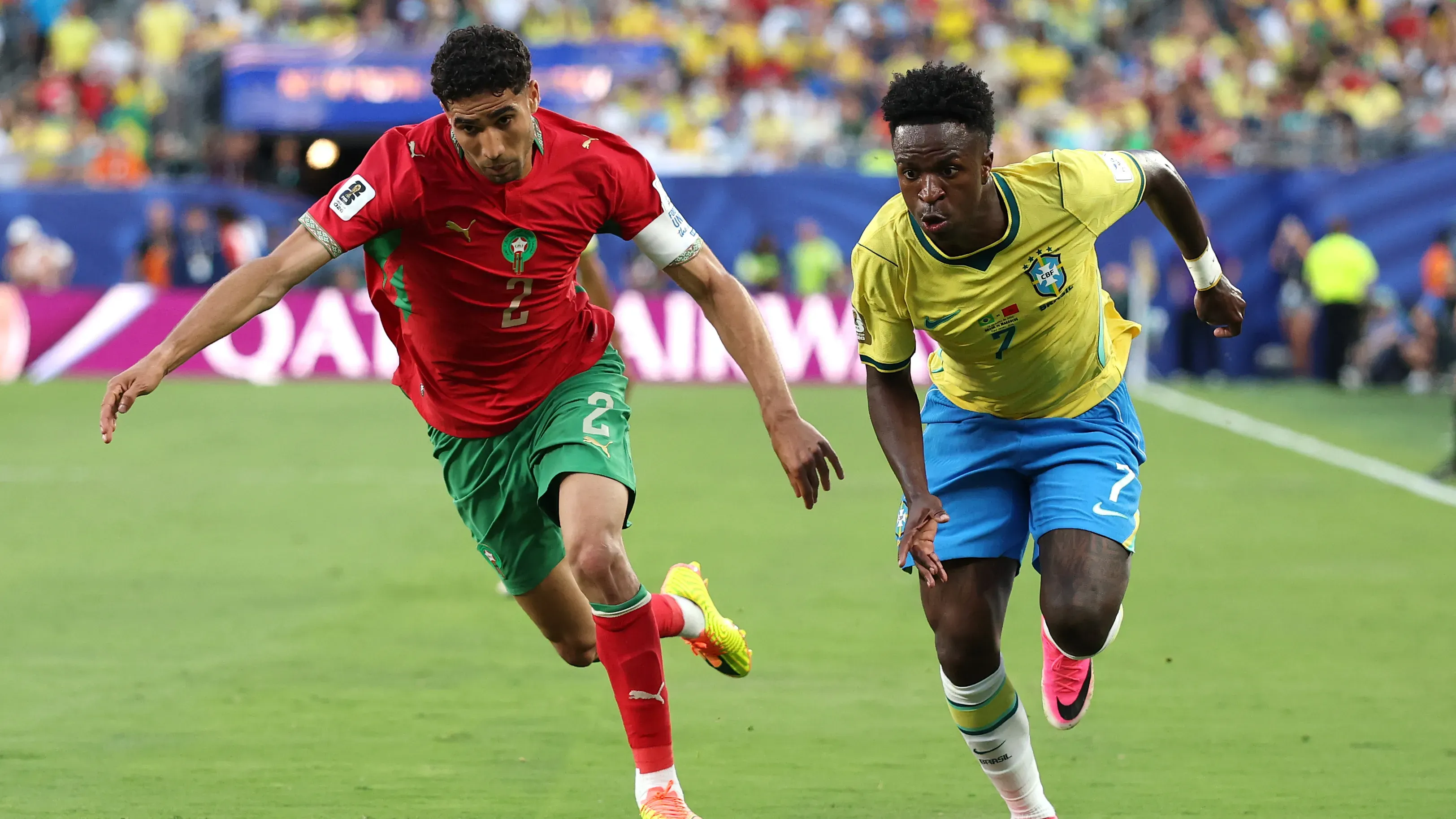

Unjust Treatment of the Samba: Critique of the Referee's Performance
The recent match between Morocco and Brazil has sparked considerable debate regarding the officiating, with many commentators describing the referee's performance as severely lacking. Fans and analysts alike expressed their outrage, pointing out multiple decisions that appeared to favor the Brazilian team, leading to accusations of bias in officiating. This controversial match raised questions about the standards of refereeing in international competitions, particularly given the high stakes involved for both teams.
Critics of the referee's decisions highlighted several key moments in the match that they believed were pivotal. For instance, there were instances where fouls committed by Brazilian players went unpunished while Moroccan players faced yellow cards for seemingly minor infractions. Such disparities in officiating can significantly alter the course of a game, and many believe that the Moroccan team was unjustly penalized during critical moments, undermining their performance and efforts on the field.
As the discussions surrounding this match unfold, it is imperative for governing bodies to review the referee's decisions thoroughly to ensure accountability and maintain the integrity of the game. Match officials play a crucial role in shaping the outcome of competitions, and any perceived injustice can lead to lasting ramifications for teams and their supporters alike. Moving forward, it is vital to establish clearer guidelines and training for referees to avoid similar controversies in future matches.
As reported by kooora.com.