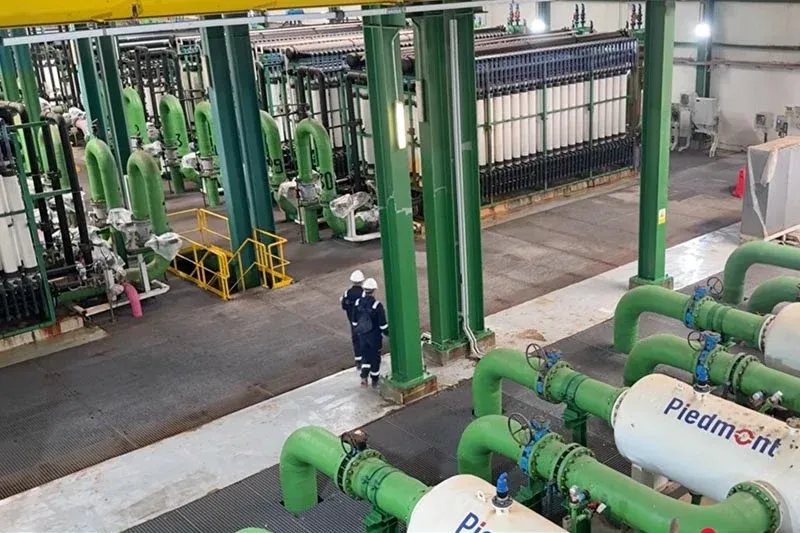

Desalination Plant in Jorf Lasfar: Supporting Industry and Ensuring Drinking Water for Cities
The recently inaugurated desalination plant in Jorf Lasfar is a groundbreaking initiative aimed at bolstering local industries while simultaneously securing a sustainable drinking water supply for urban areas. This facility is part of Morocco's broader strategy to address increasing water scarcity and is set to play a vital role in the region's economic development.
As the pressure on freshwater resources intensifies due to a range of factors including climate change and population growth, innovative solutions are becoming increasingly necessary. The Jorf Lasfar desalination plant is designed to convert seawater into potable water, thus alleviating the burden on conventional water sources. This innovative approach not only supports the needs of local industries but also ensures that residents have access to clean drinking water.
Moreover, the plant's operations are expected to have a significant impact on the local economy by providing reliable water resources for industries, particularly those in the petrochemical sector, which have historically relied heavily on freshwater supplies. By integrating seawater into their operational processes, these industries can significantly reduce their dependence on limited freshwater resources, thereby fostering a more sustainable industrial environment.
Furthermore, the desalination initiative aligns with global trends towards the utilization of alternative water sources, especially in coastal regions. The concept promotes the idea of directly using seawater in households and industries through the establishment of parallel piping networks. This would allow for the use of minimally treated seawater for non-potable purposes such as cleaning and industrial processes, which could substantially decrease the demand for drinking water reserved exclusively for consumption and cooking.
Implementing such a strategy could not only mitigate the ongoing water crisis but also serve as a long-term strategic alternative to combat the impacts of climate change and the rising demand for water. However, the success of this project hinges on its technical and economic feasibility, as well as the infrastructure's ability to accommodate a dual water system. Additionally, addressing challenges related to the salinity of seawater and its effects on equipment will be crucial.
This proposal represents one of many innovative solutions that encourage discussions on new methods for managing water resources and ensuring water security for the future. As Morocco and other coastal nations explore these options, the potential for a more sustainable and resilient approach to water management continues to grow.
As reported by hespress.com.