
Leadership Challenges in Ceuta's Migration Crisis
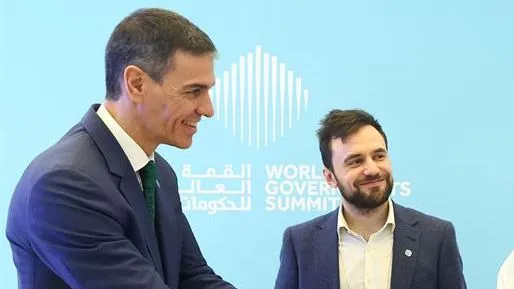
In August, as the autonomous city of Ceuta grappled with an unprecedented influx of migrants, the command center at La Moncloa was operating nearly 10,000 kilometers away in Japan. Diego Rubio, the director of the Cabinet of the Presidency of the Government, opted to maintain his month-long vacation in Japan, in sync with President Pedro Sánchez. Although the government claims that Rubio coordinated operations remotely—overcoming a seven-hour time difference between Tokyo and Madrid—this decision has sparked criticism within governmental circles.
Before this summer, Diego Rubio had maintained a low profile, lacking a traditional political background in the Spanish Socialist Workers' Party (PSOE). With an academic career shaped in prestigious institutions such as Barcelona, Paris, Columbia, and Oxford where he earned his doctorate, Rubio transitioned into public service in 2020 as the head of the newly established National Office of Foresight and Long-Term Country Strategy, and was later promoted to lead the Cabinet of the Presidency.
From Academia to Political Storm
Rubio's troubles began to surface on July 27, just three days before the mass assault on Ceuta. Unable to reach President Sánchez, the Ceuta president, Juan Jesús Vivas, managed to convey to Rubio the alarming rise in border crossings. Although Rubio assured Vivas that he would escalate the matter to relevant ministries, no action was taken by the state. Vivas's persistent attempts to communicate with La Moncloa were met with annoyance, as he was reportedly told that he was being "too persistent." This indicated underlying tensions within the government's response to the crisis.
The situation worsened when the National Security Department (DSN) released a bulletin indicating that 49,000 entries had been recorded, which provoked outrage from the Interior Ministry and led Fernando Grande-Marlaska's team to demand accountability. It has been confirmed that Diego Rubio sought explanations from the DSN director, General Loreto Gutiérrez, resulting in the abrupt dismissal of the draft's author, who was on vacation at that time. Sources close to the government recognize that managing the crisis from such a distance and the friction with other departments have placed Rubio under scrutiny.