
Morocco's Demands Amidst Ceuta Crisis
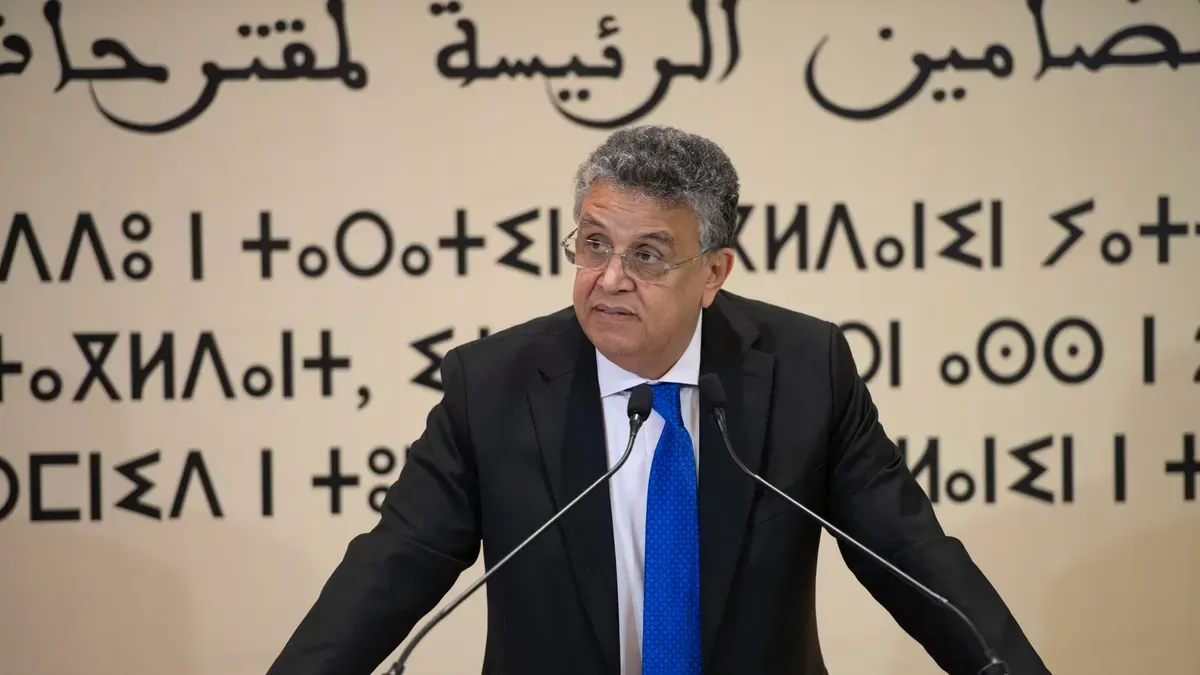
In a recent escalation of diplomatic tensions, Morocco's Minister of Justice, Abdellatif Ouahbi, has placed significant pressure on Spain regarding the ongoing migration crisis in Ceuta. This situation has reached a critical point as Morocco has conditioned the acceptance of deceased Moroccan nationals' bodies on Spain’s provision of forensic reports and the repatriation of minors who remain in the Spanish city. Ouahbi's statements highlight a complex interplay of sovereignty and humanitarian concerns, as he emphasized the necessity of identifying the bodies before they can be accepted back in Morocco. He criticized Spain for not establishing a framework to collect DNA samples from the families of the missing individuals, which he believes is crucial for confirming identities.
Ouahbi firmly stated, "We cannot receive the bodies without knowing who they are. We have requested the return of the living, so how can they now discuss the deceased? We do not differentiate between the living and the dead," during an interview with 'Al Arabiya.' This statement underscores the urgency of the situation and Morocco's insistence on clarity regarding the identities of those who have perished in the crisis. The Moroccan government is adamant about receiving detailed forensic documentation to ascertain the nationalities of the bodies currently in Ceuta, expressing a need for transparency in the process. "We want their files to know if they are from here, from sub-Saharan Africa, or from other Arab countries," Ouahbi added.
Furthermore, when questioned about why Morocco has not implemented a mechanism to collect DNA samples from the relatives of the missing, Ouahbi pointed the finger back at Spain, asserting that it is Spain's responsibility to prove the identities of the deceased as Moroccan nationals. He stressed that Morocco will not allow the entry of these bodies without a comprehensive solution established through a mutually agreed-upon procedure. This insistence on a structured agreement highlights the complexities of bilateral relations and the sensitivities surrounding national identity and immigration issues.
As reported by lasexta.com.