Morocco's burgeoning hospitality industry has evolved into a vibrant platform for showcasing intricate design elements, with boutique hotels increasingly leaning on local craftsmanship, the history of neighborhoods, and traditional architectural styles, as opposed to merely offering generic luxury experiences. Two exemplary establishments, one nestled in the heart of Marrakech and the other in the bustling city of Casablanca, illustrate how meticulous design can forge a profound connection with their surrounding environments, enhancing the overall guest experience.
At The Mellah, a beautifully restored riad, the hotel draws inspiration from the rich color palettes, materials, and spatial language characteristic of one of Marrakech's most historic districts. Meanwhile, Le Square in Casablanca embraces the city's renowned Art Deco heritage, offering a contemporary urban sanctuary that pays homage to its architectural roots. This thoughtful integration of design not only enriches the aesthetic appeal of these hotels but also deepens their ties to the vibrant cultures that envelop them.
The Mellah: A Tribute to Local Heritage
Simohamed Azzouz, the visionary behind The Mellah, has created an intimate hotel that revitalizes the colors, craftsmanship, and architectural memories of a Medina that has increasingly come under foreign ownership. The Mellah, known historically as a walled quarter housing the Jewish community, is a lively area within the Medina, characterized by its winding streets and distinct architectural style. "You feel the life of the city here: craftsmen opening their workshops at dawn, neighbors chatting in the alleyways. There is this very honest, unpolished beauty," Azzouz reflects. The authenticity of the area was a significant factor in the decision to establish the hotel there, marking a pivotal effort to reclaim local culture and design language.
The meticulous restoration of the riad transcends the mere act of opening a hotel; it embodies a broader mission to reconnect with the city’s cultural identity. "Today, the Medina is largely foreign-owned," Azzouz observes. "Creating this hotel was a way to reappropriate our own culture, our own design language, and write a new chapter in the city’s Medina." The renovation preserved historical details, such as the central patio, which has been tastefully restored as a communal space for gatherings, reflecting a commitment to honoring the building's legacy as a family home.
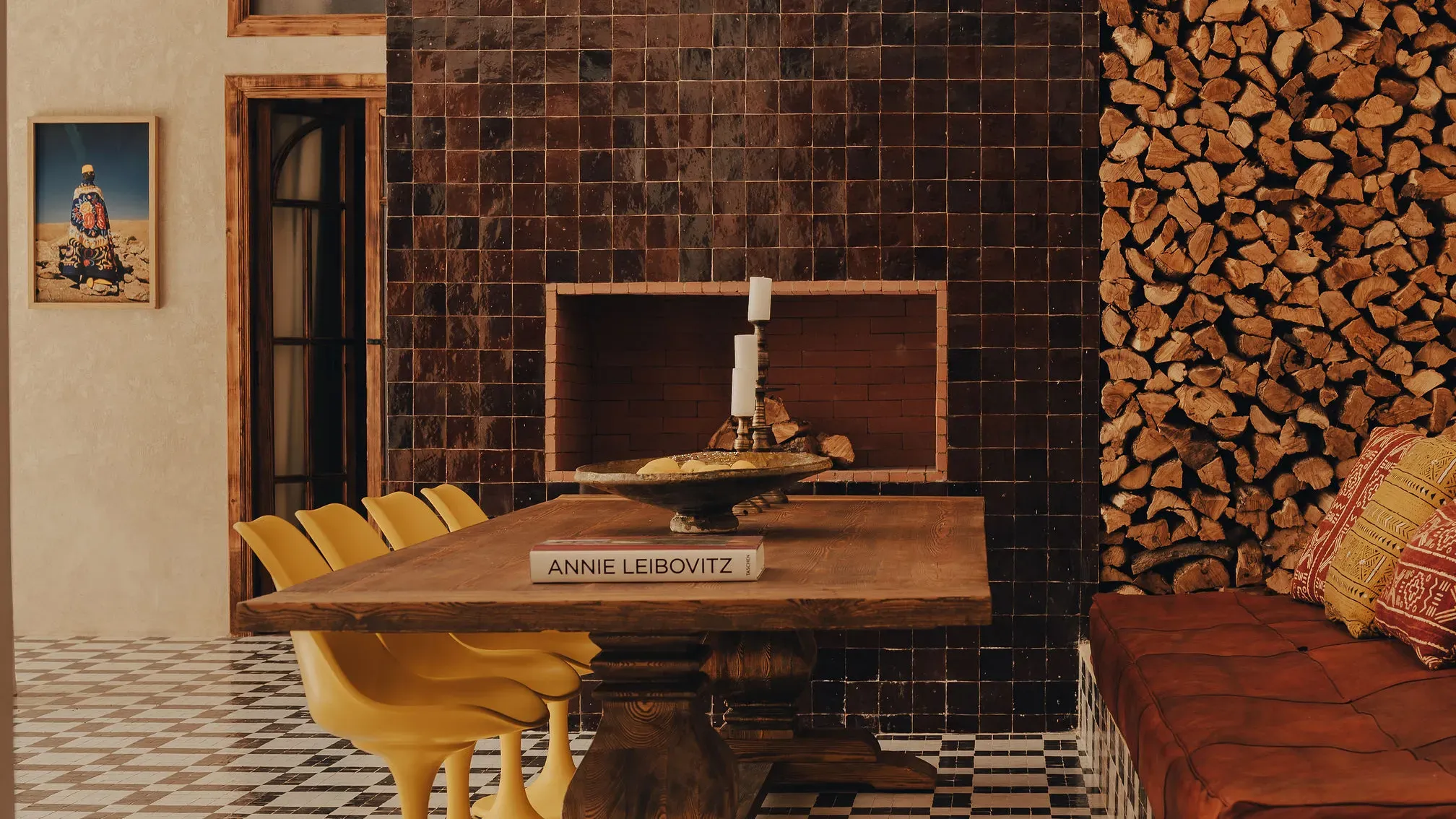
Vibrancy is central to the hotel’s design ethos, with Azzouz drawing colors directly from the neighborhood. The ochre walls, deep red pigments, and dark walnut hues evoke the work of local artisans and are integral to the hotel's identity. "Nothing was done for decoration alone. Every choice had to echo the neighborhood and bring back the expressive Moroccan palette that is part of our identity," he emphasizes. The interior design features handcrafted finishes, including cylindrical showers adorned with zellige tiles from Fez, camel-leather flooring, and custom walnut furniture, creating a tactile and warm atmosphere that invites guests to immerse themselves in the local culture.
Le Square: A Modern Interpretation of Art Deco
In contrast, Le Square stands elegantly in the Gauthier district of Casablanca, where Art Deco heritage meets contemporary craftsmanship. Designed by Salma Dioury Architecte, this hotel occupies one of the last remaining vacant lots in a predominantly built-up area, showcasing a striking vertical silhouette that stands apart from typical Moroccan boutique hotels. The innovative design respects the existing urban fabric while introducing a fresh architectural perspective that pays homage to the rich history of Casablanca. "We created a building anchored in the 1920s style of Casablanca’s built heritage," Dioury explains, with a façade that draws the eye upwards through stacked volumes and deep-set windows framed by wrought ironwork.
Inside Le Square, the tone shifts toward effortless elegance, as interior designer Jérôme Michelangeli masterfully alternates textures to create a sense of rediscovery. The lobby features a sequence of living spaces adorned with iconic furniture pieces and soft drapery, evoking a nostalgic yet modern ambiance. As guests move into the rooms, they are greeted by sand-toned tadelakt bathrooms, carved marble basins, and ceiling artworks by local creatives, which together create a harmonious balance between raw surfaces and refined elegance.
The hotel's rooftop restaurant, Sain Levant, perfectly encapsulates the essence of Casablanca, offering panoramic views that seamlessly integrate the vibrant metropolis with the hotel’s artistic vision. Together, The Mellah and Le Square serve as prime examples of how Moroccan boutique hotels are redefining luxury by embedding rich cultural narratives within their design, inviting guests to experience the true spirit of their surroundings.
As reported by admiddleeast.com.