Celebrating the Vibrant Afro-Diasporic Culture at Jazzablanca
The cultural landscape is pulsating with energy from Casablanca to Montreal, Rotterdam to Rome, as the Afro-diasporic week unfolds with open stages and moving memories. This vibrant celebration encompasses an array of music styles, including jazz, afrobeats, cinema, theater, creole music, and the rich mandingue heritage, all intertwined with urban struggles. The events are a rich tapestry, showcasing a selection that is both popular and globally relevant. Amidst major festivals and intimate gatherings, Africa is being heard, seen, and redefined at the heart of the cultural summer.
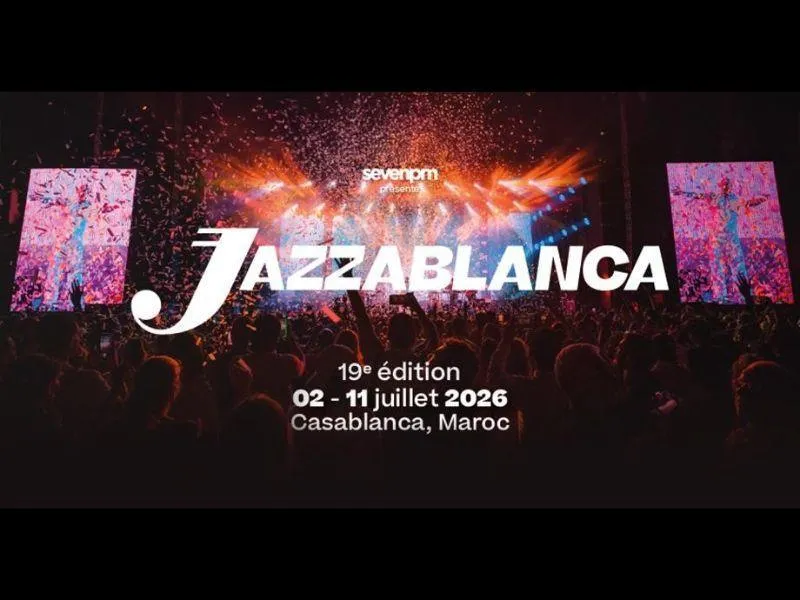
Launched on July 2, Jazzablanca is gearing up for its final weekend at Anfa Park, where on July 10 and 11, Casablanca will host an impressive lineup featuring Ms. Lauryn Hill, Wyclef Jean, YG Marley, Zion Marley, Bonga, Jessie J, and Jorja Smith. These two nights promise to transform the city into a vibrant sound hub, reflecting Casablanca's significant position on the African musical map. This year, Jazzablanca is no longer just a jazz festival but has evolved into a major urban event that showcases Casablanca's identity as a city that connects Africa, the Atlantic, the Mediterranean, the Caribbean, Europe, and the Americas.
As the festival approaches its culmination, the lineup for July 10 is particularly striking. Ms. Lauryn Hill joins Wyclef Jean, YG Marley, and Zion Marley for one of the most anticipated concerts of this edition. The event will also feature Juanes, Bonga, and Ami Taf Ra, creating a musical evening where hip-hop, soul, Caribbean roots, Portuguese-speaking music, and jazz intermingle seamlessly. The closing night on July 11 will see performances from Jessie J, Jorja Smith, Hind Ennaira & Omary, and Madison McFerrin, continuing the theme of powerful vocals and diverse influences spanning R&B, pop, soul, and the intersections of British and Moroccan music scenes.
Casablanca: A Global African Hub
Jazzablanca has progressively moved away from a narrow definition of jazz to embrace a broader spectrum of genres, including soul, R&B, funk, pop, and contemporary world music. This evolution is evident in the 2026 programming, which features artists across two main stages at Anfa Park from July 2 to July 11. The festival not only attracts international names but also emphasizes local and regional talents, as seen with the inclusion of Hind Ennaira & Omary and Ami Taf Ra during the final weekend.
What makes this event particularly intriguing is Casablanca's position within the African cultural dialogue. The city is not merely importing international concerts; it is actively participating in the global conversation. By hosting artists who already have worldwide audiences, Casablanca is creating a space that is distinctly Moroccan, African, Francophone, and Arab. In a landscape where cities like Lagos, Abidjan, Dakar, Johannesburg, or Cape Town often dominate the spotlight, Casablanca is asserting its own centrality as a metropolis that looks towards both the Atlantic and Europe, as well as the rest of the continent.
The presence of Jorja Smith on July 11 adds a generational dimension to the festival. Known for her alternative R&B and contemporary soul, the British singer represents a younger diaspora that transcends traditional categories. Her music flows between pop, soul, garage, reggae, and indirect African influences. In Casablanca, she does not merely complete a lineup; she resonates with an urban audience that is tuned into the same sounds in London, Rabat, Paris, Montreal, or Lagos.
Thus, Jazzablanca 2026 represents a significant shift. Major African festivals are no longer just local showcases; they are spaces where global cultural hierarchies are negotiated. A night featuring Lauryn Hill, Wyclef Jean, and Bonga in Casablanca is not just a musical event; it is a powerful image of an African city hosting diasporic mythologies and reanimating them for its own audience.
As reported by mondafrique.com.