Unveiling the Wonders of Ifrane National Park
When planning a trip to Casablanca, Morocco, many visitors find themselves captivated by the vibrant urban landscape. However, just a short journey inland leads to the breathtaking Ifrane National Park, nestled in the Middle Atlas Mountains. This hidden gem boasts a series of inspiring wildlife conservation successes that speak to the resilience of nature and the effectiveness of community-driven initiatives. From the revival of endangered species to the rejuvenation of natural habitats, these ten remarkable stories highlight the ongoing efforts to protect and restore the region's biodiversity.
Top 10 Wildlife Success Stories in Ifrane National Park
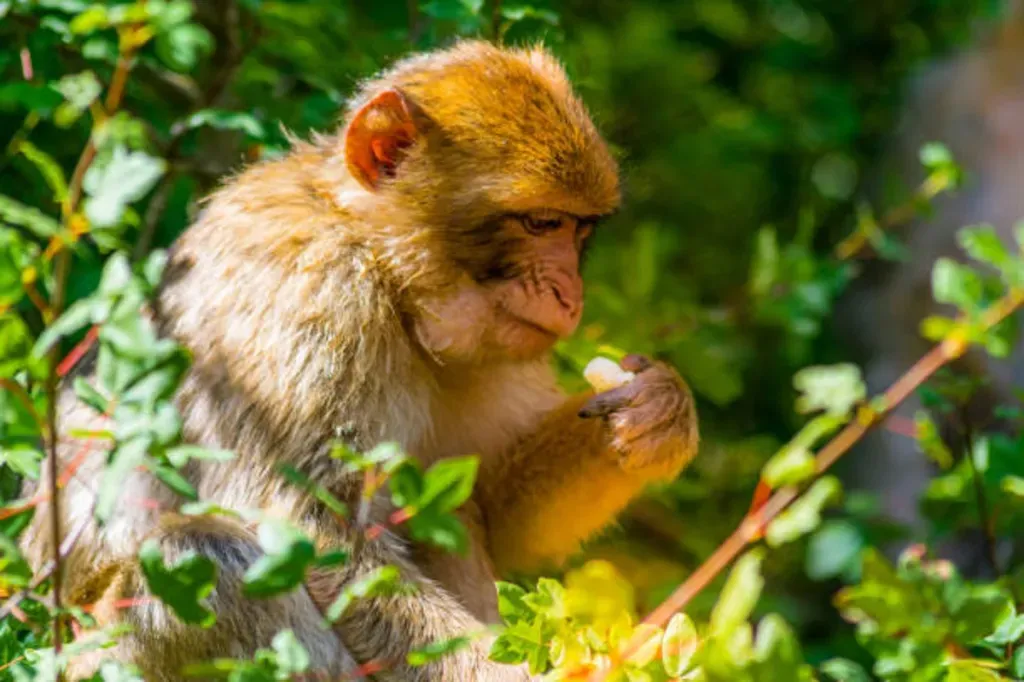
1. Recovery of the Barbary Macaque: One of the most surprising sights in the Middle Atlas is observing wild Barbary macaques amidst the snow. Thanks to strict anti-trapping laws and active forest patrols, their populations have stabilized, allowing these fascinating primates to thrive in the cedar forests near Azrou.
2. Regeneration of the Atlas Cedar Forest: Contrary to common perceptions of Morocco’s arid landscapes, Ifrane showcases flourishing cedar groves. A community-led replanting initiative has significantly contributed to the forest's recovery, as satellite imagery reveals a remarkable resurgence over the past 15 years.
3. Reintroduction of the Barbary Deer: Visitors to the park are now greeted with the wonderful news that the Barbary deer has returned to its former habitat. Guided tours provide an opportunity to witness these majestic creatures grazing in the wild, with their population steadily increasing to several hundred individuals.
4. Wetland Protection at Dayet Aoua: Travelers might be surprised to discover the thriving freshwater ecosystems within Ifrane National Park. Dayet Aoua has garnered recognition as a Ramsar site, witnessing a significant return of migratory waterfowl to its shores, thanks to dedicated conservation efforts.
5. Griffon Vulture Nesting Protections: Birdwatchers visiting the park can spot Griffon vultures soaring above the cliffs near Tizguit. The population of these magnificent birds has rebounded from fewer than ten breeding pairs to over fifty, showcasing the success of targeted conservation strategies.
6. Otter Recolonization of Park Rivers: Otters have made a remarkable comeback in the park’s rivers, with guided evening walks along the Oued Tizguit offering glimpses of their playful antics. The improvement in river health has fostered a thriving fish population, providing a sustainable food source for these charming mammals.
7. Management of Invasive Plant Species: Park managers have implemented effective strategies to combat invasive plant species, resulting in the restoration of thousands of hectares of native grassland. This revitalization not only enhances the ecosystem but also improves food availability for local wildlife, including deer and macaques.
8. Wild Boar Population Management: Farmers near the park previously faced challenges due to wild boar raids on crops. Through the introduction of controlled hunting permits and exclusion fencing, crop damage has been reduced by over sixty percent, creating a harmonious balance between agriculture and wildlife.
9. Local Community Eco-Guide Training: Berber guides, once reliant on logging and poaching, have transformed into guardians of the park’s wildlife. With over three hundred eco-guides trained locally, poaching incidents have dramatically decreased, proving that community engagement is key to conservation.
10. Anti-Poaching Patrol Success: The establishment of a dedicated anti-poaching unit in 2008 has significantly increased wildlife visibility in the park. Over the course of ten years, poaching arrests have declined by more than eighty percent, a testament to the effectiveness of sustained protective measures.
For those planning a visit, the best times to explore Ifrane National Park are during the spring and autumn months. These seasons offer mild temperatures, vibrant wildlife activity, and fewer crowds, allowing for an immersive experience in nature. Accessible from Casablanca via a domestic flight to Fès–Saïs Airport, the journey to the park is both convenient and rewarding.
Whether you’re hiking through ancient cedar forests, birdwatching at Dayet Aoua lake, or simply soaking in the natural beauty of Ifrane, this destination promises unforgettable adventures. With a focus on sustainable tourism, choosing reputable tour operators like Dav Safaris can enhance your experience, as they provide knowledgeable guides and handle all logistics, ensuring a seamless journey through this stunning landscape.
As reported by dailykos.com.