
Unveiling the Ancient Defensive System at Oued Beht
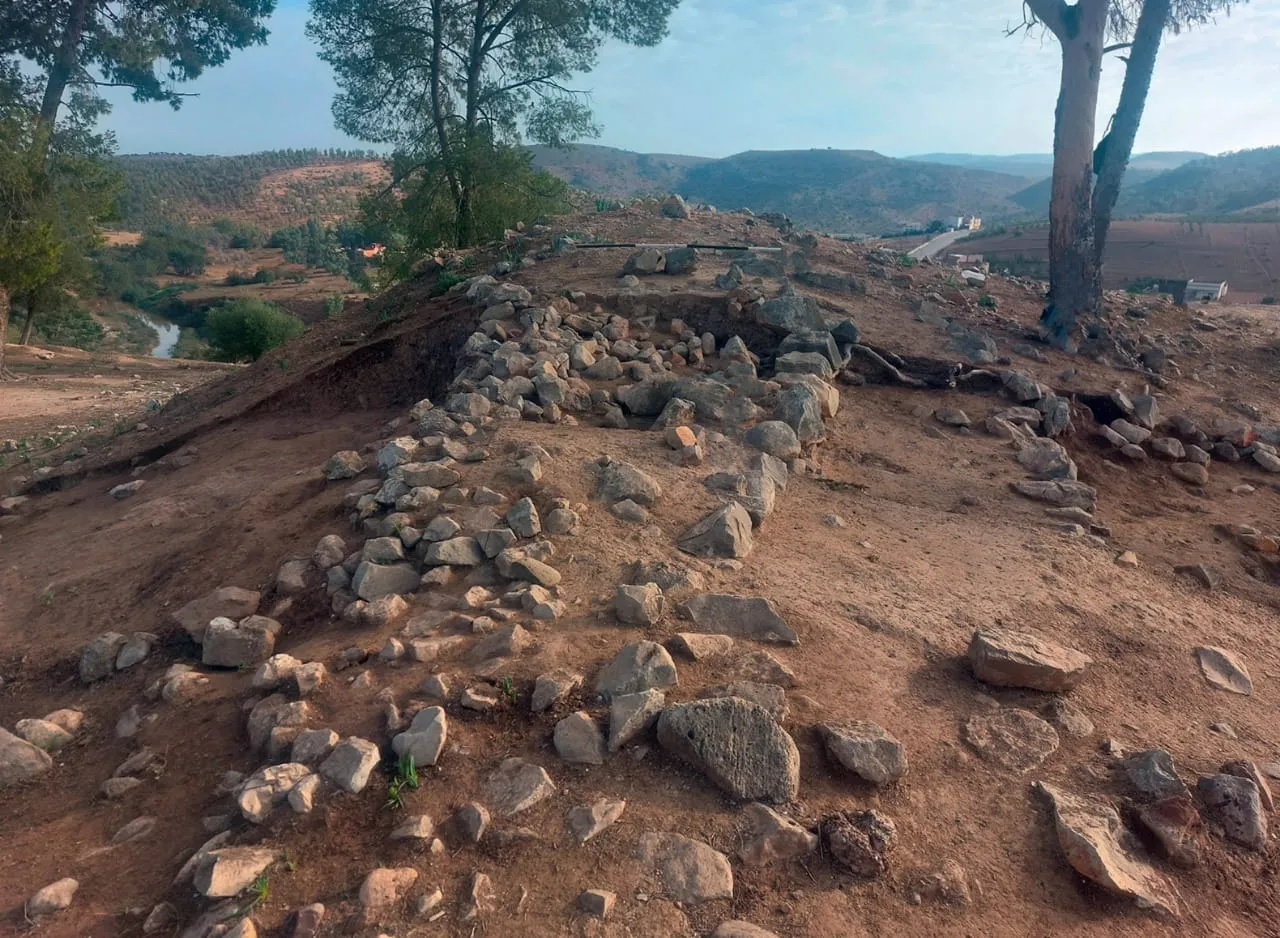
Recent archaeological discoveries in northwestern Morocco have unveiled what is believed to be the oldest known defensive system in North Africa, situated outside the Nile Valley. This significant finding emerged from the ongoing research at the Oued Beht site, where archaeologists have identified a large ditch and an intricate earthwork structure, dating back approximately 3,500 to 4,000 years, into the early to middle part of the second millennium BCE. The evidence for this construction was derived from the third field season of the Oued Beht Archaeological Project (OBAP), which took place in late 2023, involving a collaborative effort from scholars across Morocco, Italy, the United Kingdom, and other institutions. The results of this research have been documented in the esteemed journal, Libyan Studies.
The Oued Beht site first garnered significant archaeological interest in 2021, when earlier investigations revealed a sprawling settlement spanning around 10 hectares, perched on a ridge above the river in Khémisset Province. This settlement is believed to have thrived from the middle of the fourth millennium to the early third millennium BCE and was home to a farming community that maintained connections with various groups around the Mediterranean, including those in the Iberian Peninsula. The latest excavations aimed not only to establish the chronological framework of the site but also to explore its layout and subsequent utilization over time, particularly focusing on the linear walls found in the southern section of the settlement and conducting surveys of adjacent areas.
Significance of the Defensive Structures and Ongoing Research
The findings from the OBAP have resolved longstanding questions regarding the large defensive structures that line the southern perimeter of the site. Beneath a visible stone structure, archaeologists discovered a broad ditch accompanied by an earth embankment, which suggests a high degree of organization and meticulous planning in the construction process. The defensive system, strategically blocking the southern end of the settlement, utilized the natural contours of the ridge, enhancing the area’s defensibility against potential threats. The scale of the earthwork indicates a well-coordinated effort among the builders, highlighting the settlement's evolution over time, as its primary activities transitioned from a more open northern section to a fortified southern spur with robust natural defenses.
These developments provide pivotal insights into the historical narrative of Oued Beht, previously focused on the Final Neolithic period, now supplemented with evidence of continued occupation and activity during the second millennium BCE. The research has also expanded to examine the broader landscape, including geological studies of the ridge's formation, local resources, and the production of pottery. This new evidence sheds light on significant changes occurring in northwestern Morocco during later prehistory, offering a comparative perspective with southern Iberian societies. For instance, during the second millennium BCE, communities in southern Iberia, such as El Argar, were known to construct fortified settlements and engage in advanced metalworking, showcasing a more complex social structure.
Interestingly, Oued Beht continued to serve as an important site well into the medieval period, evidenced by the presence of a large stone wall constructed above the ancient earthwork and a cemetery from the same era, which points to sustained human activity at the location throughout history. The chronological sequence from prehistoric settlement to medieval utilization positions Oued Beht as a crucial site for understanding long-term changes within the Maghreb region.
As reported by archaeologymag.com.