
Celebrating Diversity at the DjaDja Afro Club
Opened in 2019, just a year after the release of the hit song that shares its name, the DjaDja Afro Club has quickly established itself as a vibrant symbol of Morocco's demographic transformation. With an influx of Sub-Saharan Africans now numbering in the tens of thousands, the foreign resident population in Morocco has surged by 76% over the last decade, with Senegalese and Ivorians leading the representation among these communities. This dynamic club, situated in Casablanca, has become a melting pot for music lovers from across Africa, as patrons flock to enjoy the latest Afro beats in a space designed to foster cultural exchange and celebrate the rich diversity of African music on a global scale.
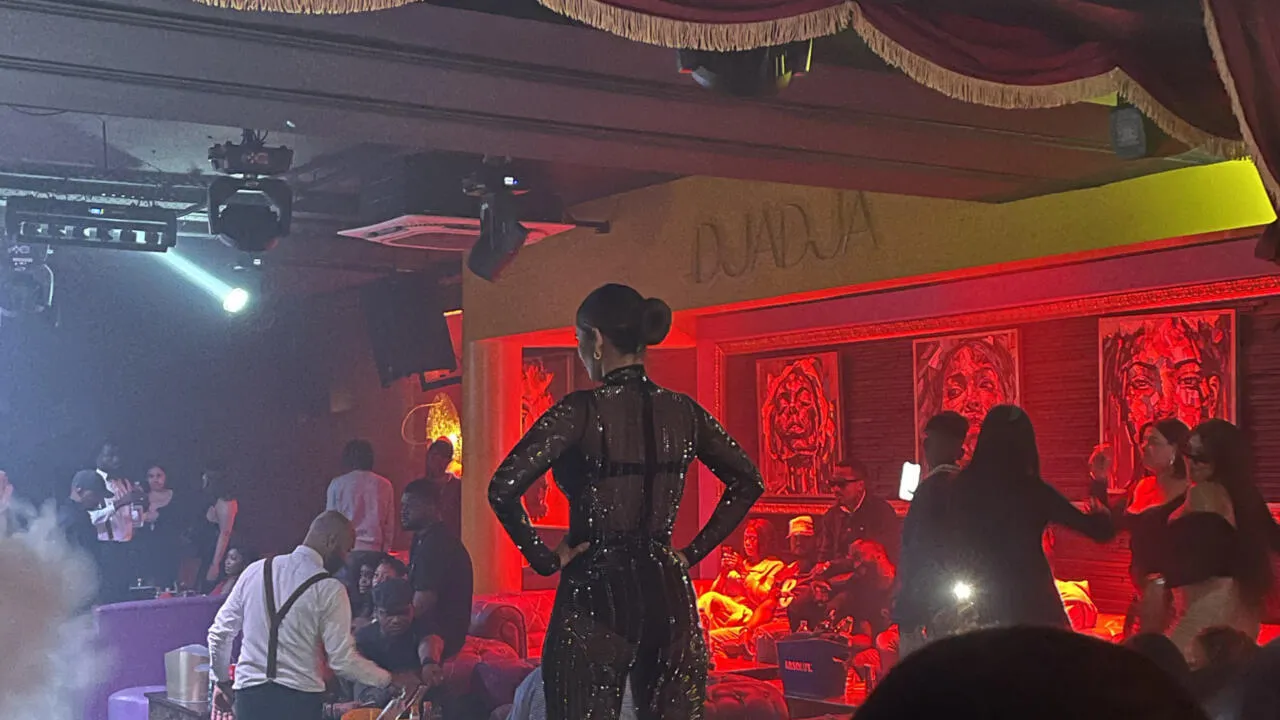
As the opening hour approaches, Konaté Vamory, the Ivorian founder of Morocco's most renowned Afro nightclub, lounges on a sleek faux leather couch alongside a striking sculpture of a black woman, towering over the DJ booth. The club recently celebrated its seventh anniversary, solidifying its status as a cornerstone of Casablanca's nightlife. "I wanted to bring the Abidjan party atmosphere here, and we’ve done it exceptionally well. I am amazed every week by the ambiance created by our DJs and how it resonates on the dance floor... Every night tells a new story at DjaDja," chuckles Vamory, reflecting on the club's vibrant environment.
A Hub for Cultural Expansion
The DjaDja Afro Club has transformed from a mere transit point into a destination for migrant workers from Sub-Saharan Africa, including Senegalese, Ivorians, and Congolese, who arrive dressed to impress at the establishment located along the scenic Ain Diab coastline. The club boasts an unprecedented variety of music from across the continent. Vamory, hailing from Boundiali in Côte d'Ivoire, is determined to make DjaDja an international showcase for African music. “People from all communities and continents converge here,” he exclaims. “On weekends, you might see Asians, Saudis, Black Africans, Moroccans, and even Arabs—everyone comes together.”
To ensure an upscale experience, Vamory has implemented a policy that encourages patrons to purchase premium bottles for entry, with cocktails priced at around 150 dirhams (approximately 15 euros). The club’s team reflects its diverse clientele, featuring a Congolese bartender named Cheryl, known for his flair bartending skills, alongside a Senegalese DJ, Moroccan dancers, and a Cameroonian supervisor, Joseph-Renault Bagel. “We embrace Africa's diversity, and we strive for a mix that allows everyone to feel at home while sharing all kinds of music,” Bagel enthusiastically shares.
With a warm demeanor and an unmistakable style, Bagel emphasizes the club's mission to create a safe haven where racism and disrespect are left outside. He explains, “Racism exists, but at DjaDja, one of our key missions is to set aside cultural differences and skin color variations. There are many populations and communities here, discovering music they have never heard before. DjaDja aims to bring not just great music but also cultural expansion, a kind of African cultural renaissance.”
The DjaDja has welcomed numerous Afro music stars, including Roseline Layo, Singuila, Didi B, and Himra, yet the club is still eagerly awaiting the visit of Queen Aya Nakamura, the artist behind the song that inspired the club's name. “I don’t know if she’s aware of our existence,” laughs Vamory, “we don’t have the means to bring her here yet, but when she does come, we’ll make sure to share our story with her.”
As reported by rfi.fr.