
Strengthening Bilateral Relations Through Extradition Treaty
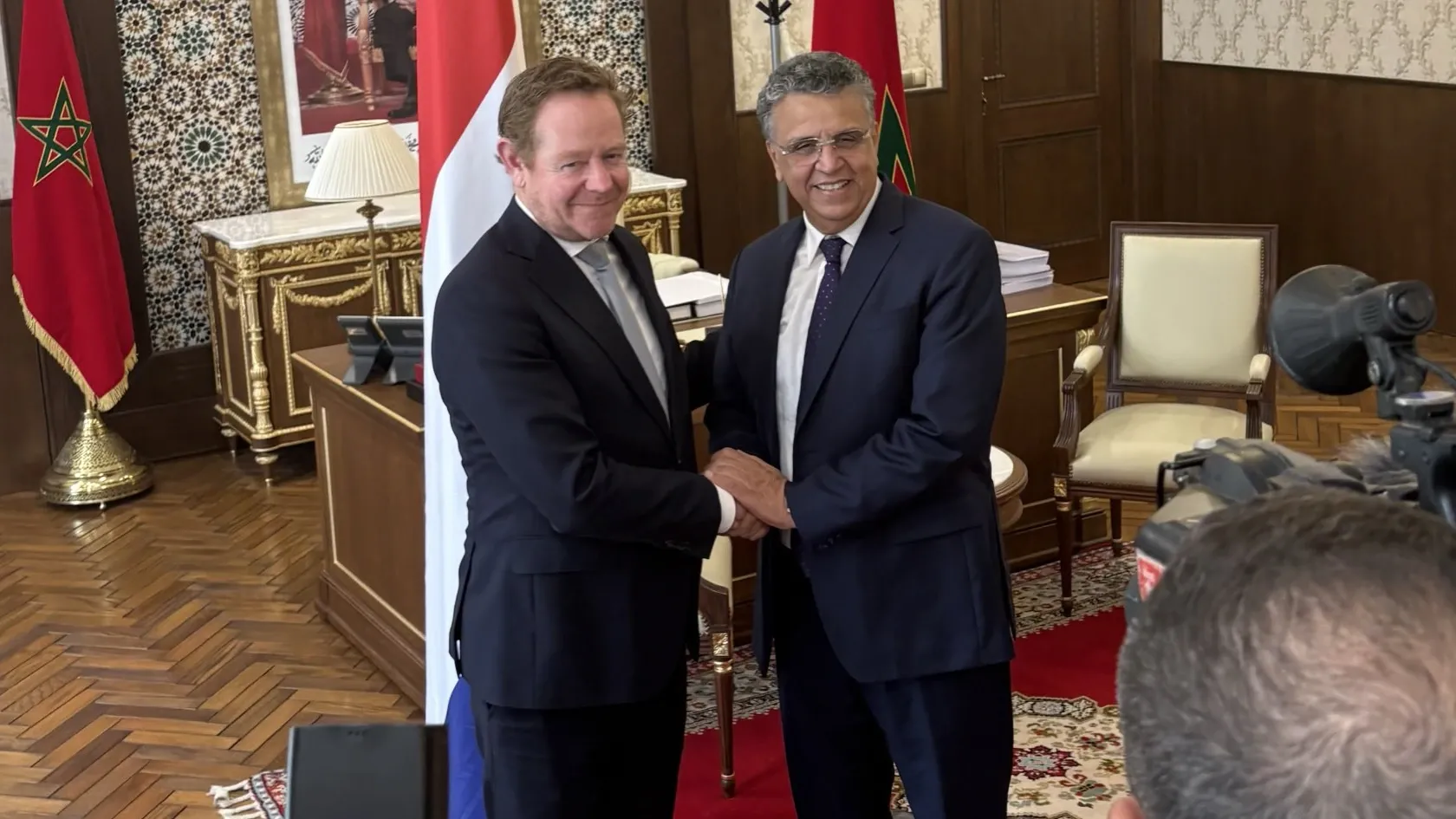
The Dutch Parliament is on the verge of approving a significant bilateral extradition treaty with Morocco, which aims to enhance judicial cooperation and combat organized crime. This development follows a visit to Rabat on April 7 by Justice Minister David van Weel and Foreign Minister Tom Berendsen, during which discussions centered around expanding legal collaboration between the two nations. A broad majority in the Tweede Kamer, the House of Representatives, supports the treaty, which would enable the transfer of suspects for a wider array of criminal offenses, reflecting the intertwined criminal networks that exist between Morocco and the Netherlands.
During a parliamentary debate on May 28, Justice Minister David van Weel emphasized Morocco's importance as a partner in addressing crime, stating that the treaty is pivotal for both nations. Signed on December 18, 2023, by former Justice Minister Dilan Yeşilgöz, the treaty broadens the scope of extradition beyond the limitations of existing UN conventions, which primarily cover severe international crimes such as terrorism and large-scale drug trafficking. The new framework lowers the threshold for extradition to any offense carrying a minimum sentence of one year, thereby encompassing crimes such as murder, assault, and money laundering.
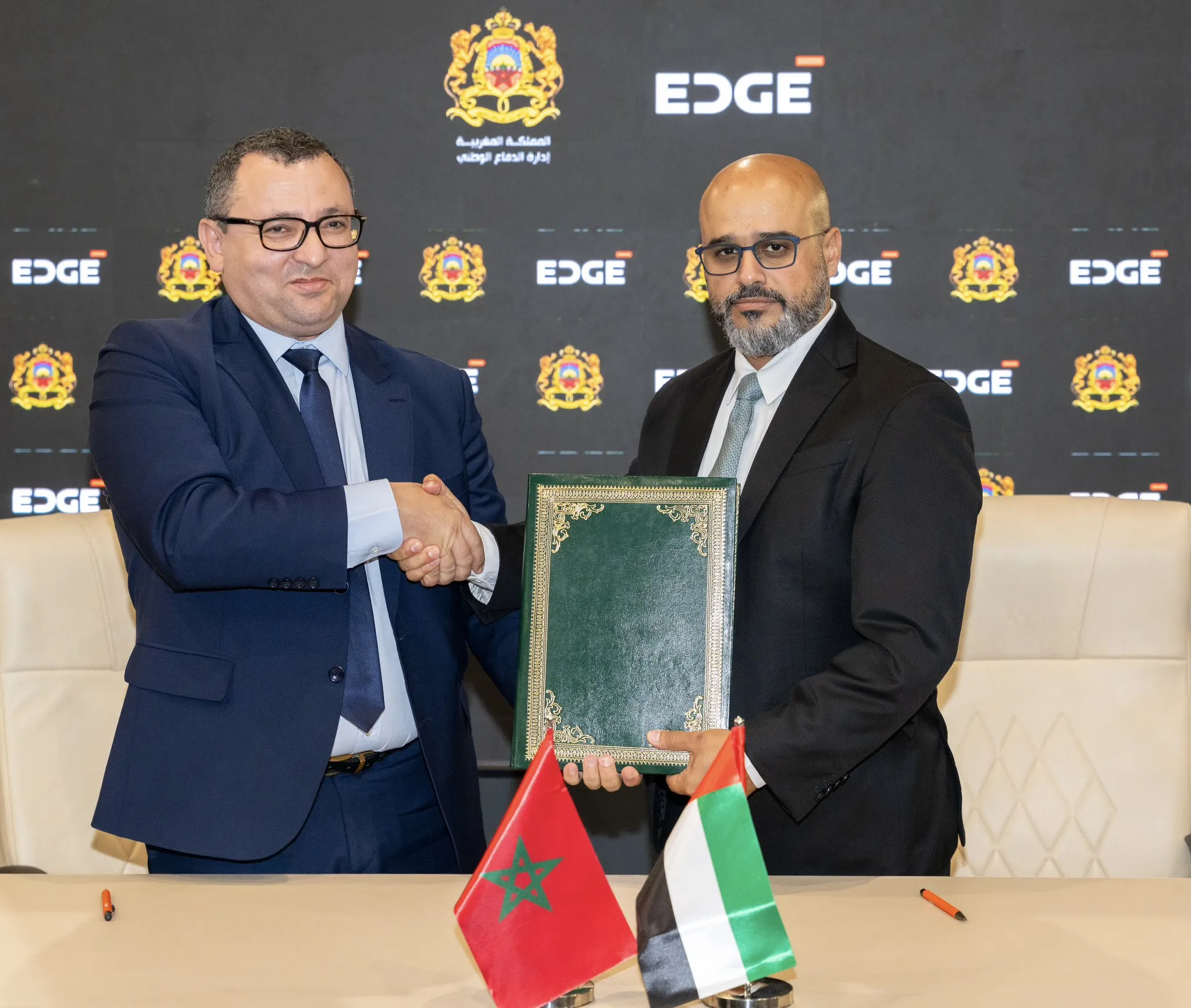
Morocco's parliament has already ratified the agreement, with a final vote in the Netherlands anticipated on June 9. This treaty is part of a series of similar agreements established under Yeşilgöz's leadership, including those with the UAE and Colombia. Van Weel articulated that the treaty sends a strong deterrent message to criminals, indicating that they cannot evade justice by relocating to the other country.
Addressing Criminal Safe Havens and Concerns Over Reciprocity
Lawmakers discussed the implications of the treaty, particularly its potential to dismantle criminal safe havens. VVD lawmaker Ulysse Ellian highlighted Morocco's role as a refuge for individuals connected to the notorious Mocro mafia, underscoring the need for such treaties to apply pressure on suspects involved in serious crimes, including the 2021 assassination of journalist Peter R. de Vries. The essence of this agreement lies in its aim to eliminate the safe havens that both Morocco and the UAE have represented for criminals.
While the treaty has garnered support from various political factions, questions regarding its reciprocal nature remain. Morocco's constitution forbids the extradition of its nationals, whereas the Netherlands allows extradition under specific conditions. Lawmakers, including CDA's Jeltje Straatman, called for greater clarity regarding the balance of the treaty’s terms. Van Weel acknowledged Morocco's constitutional limitations but pointed out that if nationality is the only reason for refusal, the non-extraditing state must initiate prosecution within six months. Furthermore, he confirmed that individuals sentenced in Morocco could serve their sentences in the Netherlands under an existing transfer agreement.
Concerns were also raised regarding the safety of Moroccan political refugees residing in the Netherlands, highlighting the complexity of the treaty’s implications. The discussions in parliament followed the April 7 visit, where both Justice Minister Van Weel and Foreign Minister Berendsen met with their Moroccan counterpart to further explore avenues for judicial cooperation and the seizure of criminal assets. This treaty is a response to a growing trend in extradition requests between the two countries, reflecting a need for stronger partnerships beyond the European Union.
As reported by moroccoworldnews.com.