
ECOWAS Backs Nigeria-Morocco Gas Pipeline Initiative
The Economic Community of West African States (ECOWAS) has taken a significant step forward by endorsing the intergovernmental agreement for the development of the Africa Atlantic Gas Pipeline, which aims to connect Nigeria to Morocco. This milestone was achieved during a recent summit held in Freetown, Sierra Leone, where heads of state gathered to discuss the future of energy infrastructure in the region. The announcement was made through a joint statement by Morocco's National Office of Hydrocarbons and Mines (ONHYM) and the Nigerian National Petroleum Company Limited (NNPC Ltd) on July 19, 2026.
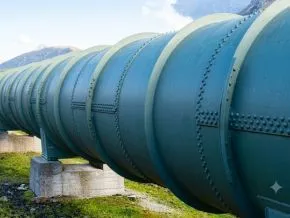
With a projected investment of approximately $25 billion, this ambitious project will span around 6,900 kilometers and is set to transport up to 30 billion cubic meters of natural gas annually. This volume is expected to cater to both regional markets and international connections, particularly through the existing Maghreb-Europe pipeline. Julius Maada Bio, the ECOWAS chairman and President of Sierra Leone, expressed optimism about the project, indicating that the gas will soon be available to consumers across the region.
The agreement signifies a crucial development in the institutional framework of the project, as plans are underway to establish a project company based in Casablanca and a high-level pipeline authority in Abuja. These entities will be responsible for mobilizing investments and coordinating the project's next phases, ensuring that the pipeline's construction progresses smoothly.
Financing Hurdles and Regulatory Challenges Ahead
Despite the political endorsement, the project faces significant hurdles, particularly in securing the necessary funding. As of now, no financial institution has committed to providing the required capital, which poses a serious challenge to the project's viability. Recent efforts by an ONHYM delegation to engage with U.S. financial bodies, including the U.S. International Development Finance Corporation (DFC), have yet to yield tangible results.
Moreover, the pipeline's proposed route traverses regions that are currently experiencing security issues, particularly in Mali, Burkina Faso, and Niger. This raises concerns about the potential risks involved in construction and operation. Another pressing issue is the regulatory environment in the European Union, which may impose restrictions on gas imports due to upcoming methane regulations. Both Nigeria and Algeria have called for a review of these measures, highlighting the complexities of aligning international energy strategies with local regulations.
As reported by ecofinagency.com.