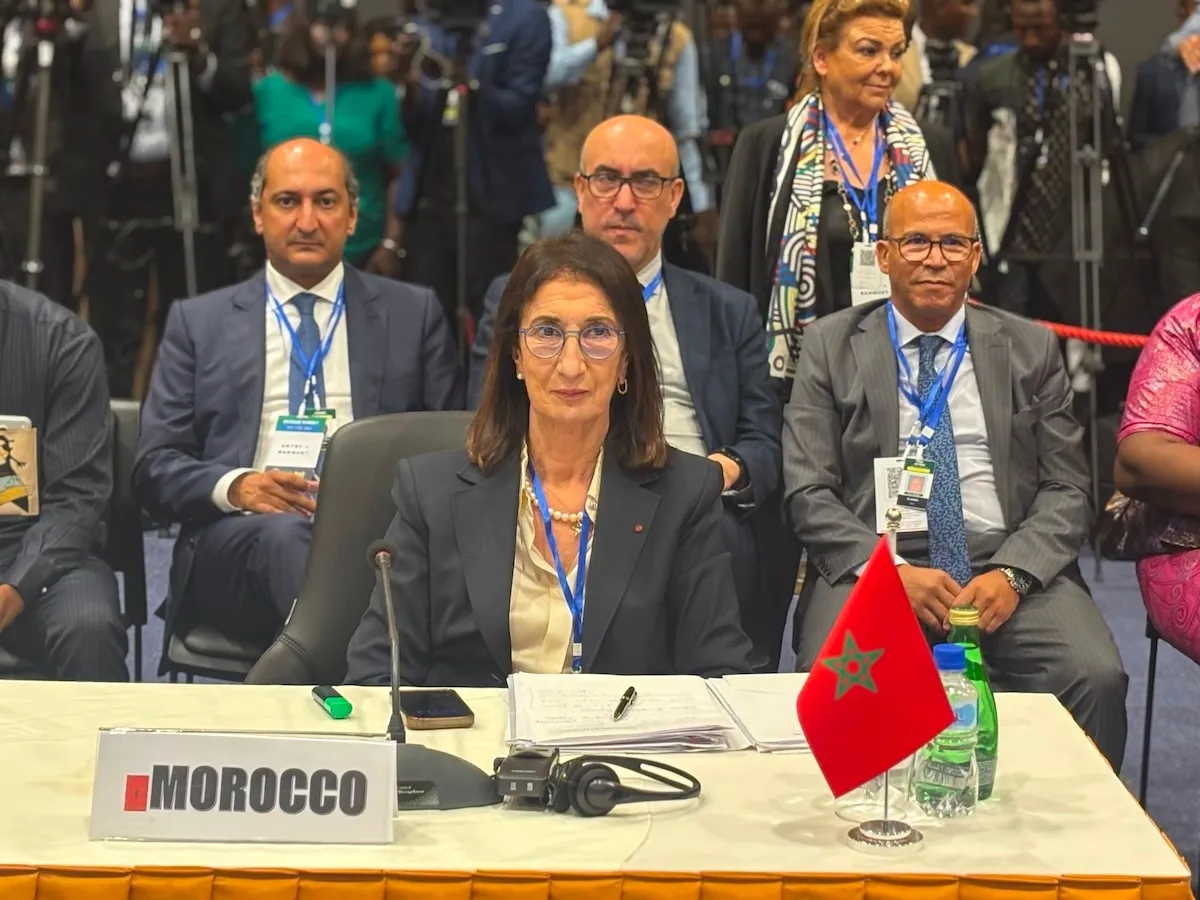

ECOWAS Nations Unite for Energy Security
In a significant move toward enhancing regional energy security and cooperation, the Economic Community of West African States (ECOWAS) member countries convened in Freetown, Sierra Leone, to sign the Intergovernmental Agreement (IGA) that will govern the Nigeria-Morocco African Atlantic Gas Pipeline (AAGP) initiative. This ambitious energy infrastructure project, which spans approximately 6,800 kilometers, is designed to transport natural gas from Nigeria to Morocco before connecting to the European gas network. The initiative, originally launched by King Mohammed VI of Morocco and the late Nigerian President Muhammadu Buhari, continues to receive strong backing from Nigeria's current leader, President Bola Ahmed Tinubu.
Strategic Implications and Future Developments
The establishment of this pipeline is being spearheaded by Morocco's National Office of Hydrocarbons and Mines (ONHYM) and the Nigerian National Petroleum Company Limited (NNPC Ltd.). The recent signing in Freetown marks a pivotal milestone, facilitating the next phases of project development, including the formation of a project company based in Casablanca and the establishment of a Pipeline Higher Authority in Abuja. This framework is essential for mobilizing investors and preparing for the Final Investment Decision (FID), which will pave the way for the project's advancement.
With an expected transport capacity of 30 billion cubic meters of natural gas annually, the pipeline aims to export up to 15 billion cubic meters to Morocco and Europe, while the remainder is designated for regional markets. The initiative, with an estimated investment of $25 billion, is poised to create an integrated natural gas market in West Africa, promoting electricity generation, industrialization, and the development of the continent's natural resources.
Initial sections of the pipeline are projected to become operational by the beginning of the next decade, further solidifying the project as a joint strategic endeavor between Morocco and Nigeria, and positioning it as a cornerstone for all of West Africa. The involvement of ECOWAS member states enhances the political and institutional framework of the initiative, reinforcing the foundational momentum from its originating nations, which regard energy security as vital for sovereignty, industrialization, and shared prosperity across Africa.
By formalizing the collective accession of ECOWAS countries, the Freetown summit underscores the pan-African significance of this initiative and its crucial role in advancing the continent's integration policies. As ONHYM and NNPC Ltd. have indicated, the main technical, environmental, and engineering assessments have been completed, allowing the project to enter its operational development phase in the aftermath of the agreement signing in Rabat with Mauritania.
This infrastructure project aspires not only to enhance energy distribution but also to serve as a development corridor that interlinks African economies, thereby promoting greater integration and competitiveness among nations.
As reported by atalayar.com.