
Understanding the Significance of Eid ul Fitr
The conclusion of Ramadan, the holy month of fasting observed by millions of Muslims worldwide, culminates in the joyous celebration of Eid ul Fitr, a festival that translates to 'festival of breaking the fast.' This significant event not only marks the end of fasting but also heralds the beginning of Shawwal, the month that follows Ramadan, making it the first major Eid celebration in the Islamic calendar. The anticipation surrounding Eid ul Fitr is palpable, especially as communities prepare for prayers, feasting, and social gatherings.
Moon Sighting and Variations in Eid Dates
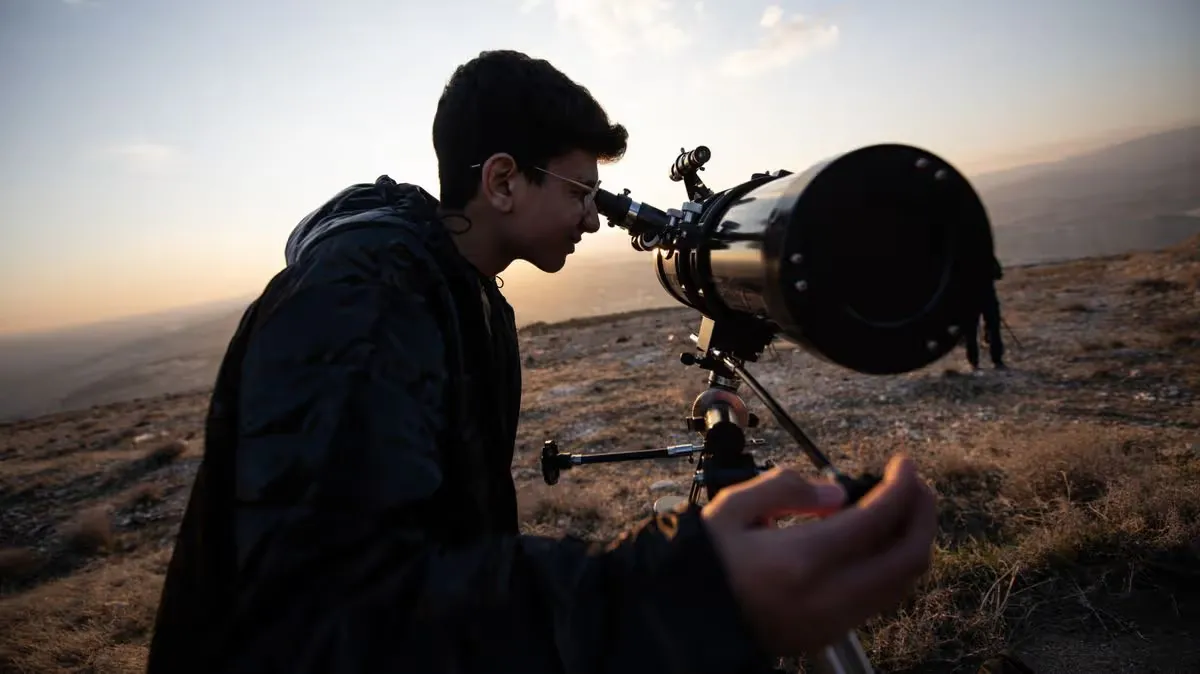
This year, Ramadan commenced differently across regions, with Saudi Arabia starting its fasting on Wednesday, February 18, while the UK and other countries began a day later on Thursday, February 19. This divergence in starting dates suggests a potential variation in the observance of Eid ul Fitr, as the moon sighting traditionally dictates the exact day of celebration. According to astronomical forecasts, the new moon is expected to appear on Thursday, March 19, 2026, but spotting the first crescent may prove challenging. Visibility is anticipated to be particularly difficult in many countries including Saudi Arabia, Pakistan, Indonesia, Bangladesh, and South Africa, where experts assert that the crescent will not be detectable due to its slenderness. In the UK, although it might be possible to view the crescent with telescopes, officials in Morocco, which relies solely on naked-eye sightings, may not recognize the crescent even if it is visible through optical tools.
As the lunar cycle progresses, the crescent moon will likely become more prominent by Friday, March 20, and Saturday, March 21, but these dates fall after the designated moonsighting attempts. Saudi Arabia has preemptively slated March 20 for Eid ul Fitr, based on its astronomical calculations, while observers in the kingdom will attempt to sight the moon a day earlier on March 18. However, the New Crescent Society notes that spotting the crescent on that day is improbable, leading to a possible declaration of a 'negative moonsighting' which would extend Ramadan for an additional day. Consequently, Eid ul Fitr celebrations in Saudi Arabia could still align with March 20, but in the UK and Morocco, the sighting on March 19 is expected to yield no results, pushing Eid celebrations to Saturday, March 21. Despite the differences in moon sighting practices, some organizations in the UK, such as the Green Lane Masjid in Birmingham, may align with Saudi declarations, reflecting the diverse interpretations and practices within the Muslim community in the UK.
Ultimately, as the community eagerly awaits the announcement of Eid, it highlights the beauty and complexity of Islamic traditions surrounding the lunar calendar, emphasizing the importance of local practices while recognizing the global context. As reported by birminghammail.co.uk.