
A New Era of World Cup Hosting
The 2026 FIFA World Cup is drawing to a close with an exhilarating final match between Spain and Argentina. This tournament marked a historic moment as it was co-hosted for the first time by three nations: the United States, Canada, and Mexico. However, the excitement does not end here, as the 2030 World Cup is set to take things to an unprecedented level with an expanded format.
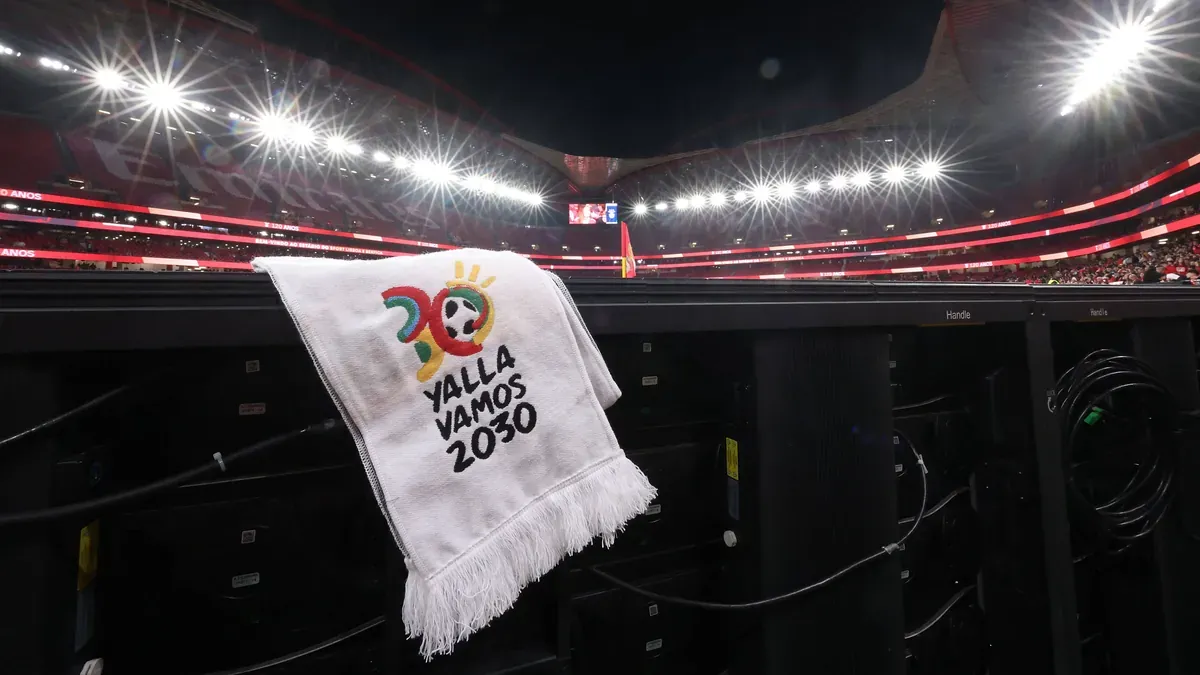
The upcoming World Cup will be a grand event spanning three continents and six countries, featuring Argentina, Uruguay, Paraguay, Morocco, as well as Portugal and Spain. This unique arrangement is rooted in a significant reason: the 2030 tournament will commemorate the centennial anniversary of the FIFA World Cup. The opening match is anticipated to kick off on June 8 in Montevideo, Uruguay, the very site of the inaugural World Cup match. Not only was Uruguay the host nation during the first tournament, but it also celebrated victory in the championship match, with Argentina finishing as the runner-up. Paraguay will join Uruguay and Argentina as one of the South American hosts for this landmark event.
The Tournament Schedule and Venues
Following the initial matches held in South America on June 8 and 9, 2030, the tournament will transition to Spain, Portugal, and Morocco after a brief three-day break, resuming on June 13. A total of 23 stadiums will serve as venues for the matches, with Spain hosting the majority, featuring eleven arenas. Notable stadiums include the iconic Camp Nou in Barcelona, Estadio San Mamés in Bilbao, and Estadio Santiago Bernabéu in Madrid, the latter of which is rumored to be a potential site for the final match, according to reports from the Spanish newspaper 'Marca.' Morocco will contribute six stadiums, while Portugal will provide three venues for the competition.
In line with FIFA traditions, all host nations are automatically qualified for the tournament, meaning six of the 48 participating teams are already confirmed. As teams prepare for the 2030 World Cup, they must brace themselves for additional challenges, including extensive travel and varying climatic conditions. For instance, teams playing their initial matches in South America will face lengthy flights to Europe or Africa, likely resulting in jet lag and adjustments to the weather.
FIFA has announced that the proposed match schedule allows for approximately eleven to twelve days for travel and recovery before the second match for the six teams competing in South America. In contrast, teams already present in Europe and Africa will only have five to six days allocated for similar purposes. This intricate planning underscores FIFA's commitment to providing a seamless experience for players and fans alike.
As reported by t-online.de.