
Significant Changes in the Moroccan Parliament Following Recent Elections
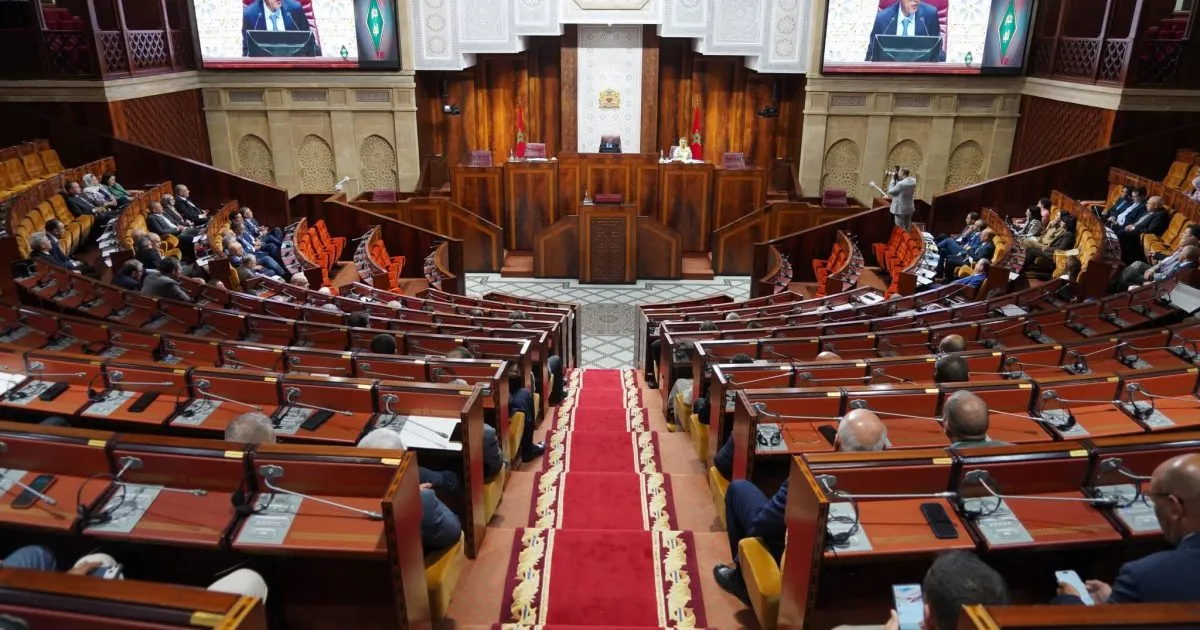
The recent legislative elections held on September 23, 2026, have led to remarkable transformations in the composition of the Moroccan House of Representatives. Several prominent parliamentarians, who had made their mark during the 2021-2026 legislative term, have lost their seats, resulting in a reshuffling of representation across various electoral districts. This electoral outcome not only affects newcomers to the political arena but also includes experienced politicians who have held significant roles within the legislative institution and have been part of the parliamentary landscape for years.
Major Surprises in Electoral Districts
In the Sidi Kacem district, the elections revealed surprises as three former representatives failed to reclaim their positions in the House. Notable among them are Said Naimli, Mohamed Haychami, and Mustafa Qasimi. Naimli, who represented the Socialist Union of Popular Forces, finished in eighth place with 5,266 votes, a stark decline from the 15,032 votes he garnered in the 2021 elections. Meanwhile, Haychami, who initially entered parliament under the Popular Movement party, was unable to secure a new seat after running this time with the Moroccan Liberal party. Similarly, Qasimi, who won a parliamentary seat in 2021 under the Independence Party, switched allegiances to the Constitutional Union for the 2026 elections but failed to maintain his position.
The city of Fez also saw the end of the parliamentary journey for several figures who were previously prominent in the 2021 elections. In the southern district of Fez, Alal Al-Amrani from the Independence Party could not retain his seat, as the positions were claimed by candidates from the Justice and Development, Popular Movement, Authenticity and Modernity, and National Rally of Independents parties. In the northern district, former deputy Tahami Al-Wazani from the National Rally of Independents also lost his seat after leading the results in the previous elections.
Noteworthy is the case of Hsane Tabbi from the Authenticity and Modernity party, who failed to secure another term in the Tata district, as his list did not rank among the qualifying positions for the parliament. Similarly, in Nador, the results marked the exit of Mohamed Abershan from the legislative body, despite being a well-known figure in the region's parliamentary activities. Running under the Socialist Union of Popular Forces, his list garnered 7,153 votes, placing fifth behind the winning lists for the four available seats in that district.
Another significant loss came from the district of Chefchaouen, where Idris Al-Shatibi, a former third deputy president of the House from the Socialist Union of Popular Forces, could not return to the parliament, finishing fifth with 4,843 votes. The results were topped by Mustafa Lakhsem from the Social Democratic Movement, who received an impressive 19,608 votes.
The outcomes of the September 23 elections indicate a crucial shift in the parliamentary landscape, as numerous individuals who were part of the previous term lost their seats, allowing for the rise of new faces and a change in party representation across various districts. The upcoming composition of the House of Representatives will thus feature a fresh cohort of representatives, marking the end of an era for several longstanding members of the legislative body.
As reported by akherkhabar.ma.